Key Takeaways
- Modern plumbing integrates technology and sustainability for enhanced efficiency.
- Smart fixtures and water-saving appliances are becoming standard in contemporary homes.
- Innovative materials and designs improve both functionality and aesthetics.
Table of Contents
- Smart Plumbing Systems
- Water-Efficient Fixtures
- Advanced Piping Materials
- Greywater Recycling Systems
- Tankless Water Heaters
- Touchless Faucets and Showers
- Space-Saving Drain Kits
- Conclusion
Today’s homeowners are increasingly seeking plumbing systems that combine efficiency, sustainability, and advanced technology. Integrating modern plumbing solutions not only meets daily needs but also promotes environmental conservation and long-term cost savings. For residents in Northwest Arkansas, partnering with experienced professionals like plumbers Springdale AR ensures access to cutting-edge plumbing services. Trade Pro Plumbing, based in Springdale, AR, offers a comprehensive range of services, including residential and commercial plumbing, water filtration systems, leak detection, and more, serving Fayetteville, Rogers, and Bentonville.
Smart Plumbing Systems
Integrating smart technology into plumbing allows homeowners to monitor and control water usage remotely. Features like leak detection sensors and automated shut-off valves help prevent water damage and conserve resources. For instance, smart leak detection systems can identify irregularities in water flow and alert homeowners immediately, reducing the risk of costly repairs.
Additionally, many smart plumbing systems link seamlessly with home automation platforms, giving homeowners greater flexibility and insight into their water usage patterns. Mobile apps can send push notifications if a leak or unusual water flow is detected, even if the homeowner is on vacation or away from home. These systems also facilitate easier management of water consumption over time, which is essential for identifying hidden leaks that could lead to long-term property damage or inflated water bills. Modern smart valves can even be integrated with whole-home shutoff capabilities, providing peace of mind during extended absences and reducing insurance risks.
Smart plumbing systems are also being designed with sustainability in mind. For instance, some can monitor water quality and alert users to issues with contaminants, pH, or mineral content, helping protect both the home and its inhabitants’ health. This data-driven approach increases transparency and allows homeowners to take immediate action should a problem arise.
Water-Efficient Fixtures
Installing low-flow toilets, showerheads, and faucets significantly reduces water consumption without compromising performance. These fixtures are designed to use less water per use, helping conserve the environment and lower utility bills. According to the Environmental Protection Agency (EPA), WaterSense-certified fixtures can save the average family nearly 13,000 gallons of water annually.
Beyond standard low-flow variants, dual-flush toilets offer more control over water usage by providing separate flush options for liquid and solid waste. Advanced aerators can be fitted to existing faucets, mixing air with water to maintain strong pressure while using less water per minute. Modern showerheads now include pause functions and ultra-low-flow designs that still deliver a pleasant shower experience.
Many municipalities and water authorities are supporting the shift to water-efficient fixtures by offering rebates or incentives to homeowners who install WaterSense-certified products. These incentives can help offset initial installation costs and provide a compelling reason for adopting more sustainable plumbing solutions. Over time, widespread use of these fixtures can have a considerable cumulative effect on regional water conservation efforts.
Advanced Piping Materials
Modern homes benefit from durable, flexible piping materials such as PEX (cross-linked polyethylene). PEX is resistant to scale and chlorine, doesn’t corrode or develop pinholes, and is easier to install than traditional materials. Its flexibility allows for fewer connections and reduced potential leak points, enhancing the overall reliability of the plumbing system.
In addition to PEX, other piping options such as CPVC (chlorinated polyvinyl chloride) and HDPE (high-density polyethylene) are gaining popularity for specific applications. Both materials offer improved temperature and chemical resistance, making them suitable for both hot and cold water lines and radiant heating systems. These innovative materials require less maintenance over time and generally have longer service lives compared to metal pipes, which are susceptible to corrosion and scaling.
Advanced piping solutions also support improved installation techniques. Flexible piping allows for more efficient layouts with fewer joints, reducing installation time and costs. This not only streamlines new construction but also simplifies retrofitting older homes with updated plumbing infrastructure. The reduction in mechanical joints further limits leak risks, contributing to lower long-term maintenance expenses.
Greywater Recycling Systems
Greywater systems reuse water from sinks, showers, and laundry for irrigation and toilet flushing. This practice conserves potable water and reduces strain on municipal water supplies. Implementing greywater recycling can lead to significant water savings, especially in regions prone to drought.
Homeowners can select from basic manual diverter valves to fully automated systems that filter, store, and distribute greywater as needed. Advanced greywater recyclers filter particulates and treat the water to ensure safety before repurposing it. Home irrigation, landscaping, and garden maintenance benefit greatly from these solutions, especially during dry summers.
Local building codes and permit requirements may apply to greywater installation; however, experienced local plumbers in Northwest Arkansas are well-versed in designing compliant systems. The use of recycled water can also reduce wear and tear on septic tanks and prevent overloading of local wastewater systems during heavy rainfall. Environmental advocacy organizations often highlight greywater reuse as a key step for communities aiming for greater resource efficiency and resilience.
Tankless Water Heaters
Tankless water heaters provide hot water on demand, eliminating the need for a storage tank and reducing energy consumption. They are compact, have a longer lifespan than traditional water heaters, and can supply continuous hot water, which is particularly beneficial for larger households.
Because tankless systems heat water only when needed, standby energy loss is virtually eliminated. These units can be wall-mounted, freeing up floor space in utility rooms or closets. Newer models include smart controls that allow homeowners to set schedules, monitor usage, and adjust output remotely via smartphone apps. In addition to supporting larger families or high-demand environments, tankless water heaters are ideal for smaller homes seeking to maximize usable space.
Proper sizing and professional installation are crucial to maximizing the benefits of a tankless water heater. Qualified plumbers, such as those serving the Springdale area, can perform detailed assessments to ensure the system delivers consistent hot water and optimal efficiency. Over the product lifespan, tankless units tend to require less maintenance compared to traditional tank-based heaters, yielding long-term operational savings.
Touchless Faucets and Showers
Touchless fixtures use motion sensors to operate, promoting hygiene and reducing water waste. These fixtures are especially useful in kitchens and bathrooms, where hands-free operation can prevent the spread of germs and make daily tasks more convenient.
Touchless faucets and showers cater particularly well to families with young children, seniors, or those with limited mobility, offering both convenience and enhanced safety. Many modern touchless systems include adjustable sensitivity settings and automatic shut-off timers, helping minimize the risk of accidental overuse. In addition, advanced models integrate temperature control and customizable flow features, enabling a comfortable experience tailored to the user’s needs.
These fixtures are aesthetically pleasing and align well with the clean, modern lines of contemporary interior design. As interest in smart homes grows, an increasing number of homeowners are choosing touchless plumbing options as a logical next step in home automation, further reducing unnecessary contact points and reinforcing sustainable habits.
Space-Saving Drain Kits
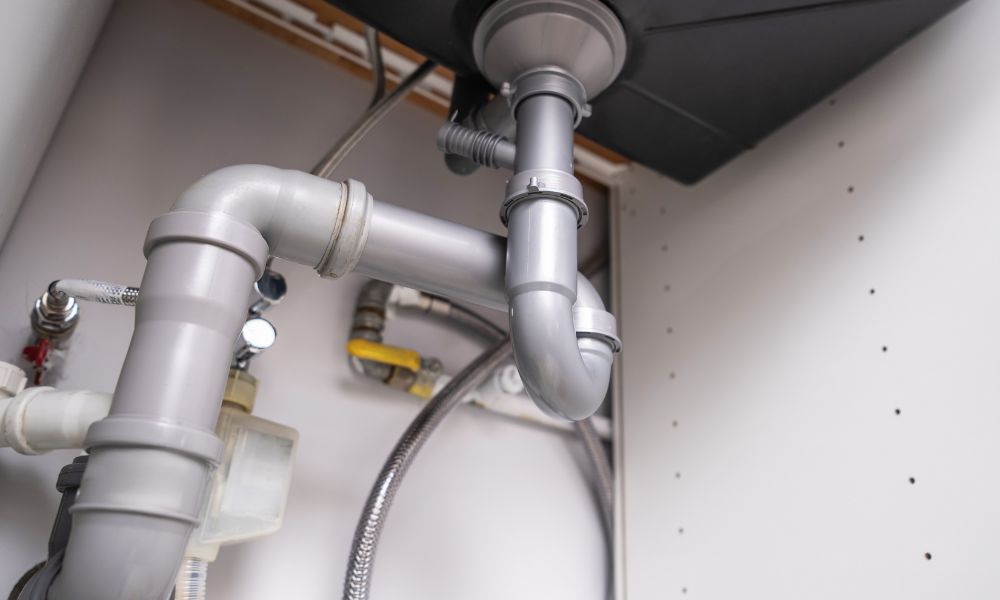
Innovative drain kits are designed to maximize under-sink storage space and simplify installation. For example, Dearborn’s Space-Saving Sink Drain Kits feature telescoping arms that adjust to various sink configurations, reducing the need for custom plumbing and creating more storage space.
Space-saving drain kits address common pain points in residential kitchen and bathroom renovations: clutter and limited utility of the under-sink space. By using flexible pipe solutions and compact connectors, these kits are engineered to improve both aesthetics and functionality. They make routine plumbing maintenance, such as trap cleaning or leak inspection, much simpler, which benefits both homeowners and professional plumbers.
Some kits include universal adapters and quick-connect mechanisms, making the replacement or reconfiguration process hassle-free. This modularity supports future upgrades and repairs without requiring extensive reconstruction or the removal of cabinetry. These solutions align with broader trends in modular home design, allowing for more adaptive and efficient use of interior spaces, an increasingly valuable feature in both new builds and remodels.
Conclusion
Embracing modern plumbing solutions enhances a home’s functionality, efficiency, and sustainability. By integrating smart systems, water-efficient fixtures, and innovative materials, homeowners can enjoy a more comfortable living environment while contributing to environmental conservation.
As the plumbing industry continues to evolve, new technologies and materials will make it even easier to maintain responsible water use, promote sanitation, and support healthy homes. Homeowners in Northwest Arkansas and across the country can benefit significantly from staying informed about these advancements and working with trusted local professionals. Not only does this approach position properties for long-term value, but it also creates an immediate impact on day-to-day quality of life, cost efficiency, and environmental stewardship. Thoughtful investments in modern plumbing are a win-win for homeowners and the planet alike.