Key Takeaways
- Regular maintenance can add 10 to 15 years to a roof’s service life.
- Proactive inspections and timely repairs prevent minor issues from escalating.
- Proper ventilation and insulation are essential for roof longevity.
Table of Contents
- Regular Inspections
- Cleaning Gutters and Downspouts
- Trimming Overhanging Tree Branches
- Addressing Minor Repairs Promptly
- Ensuring Proper Ventilation and Insulation
- Scheduling Professional Maintenance
Roof maintenance is one of the most essential home care practices, as your roof is your home’s first defense against the elements. A well-maintained roof not only preserves the structural integrity of your house, but also protects your investment from weather damage and costly repairs. Simple practices such as regular inspections, prompt repairs, and cleaning can significantly lengthen the life of your roof, making each year of homeownership safer and more cost-effective. For those considering advanced solutions, discovering the benefits of roof rejuvenation in St. Louis, MO can also provide added durability for aging roofs.
Homeowners who prioritize roof care often avoid expensive replacements and unexpected leaks. With some planning and consistency, these maintenance activities can be woven into your annual to-do list, increasing your roof’s service life by many years. Knowing what to look for, when to act, and how to prevent common issues makes all the difference.
Regular Inspections
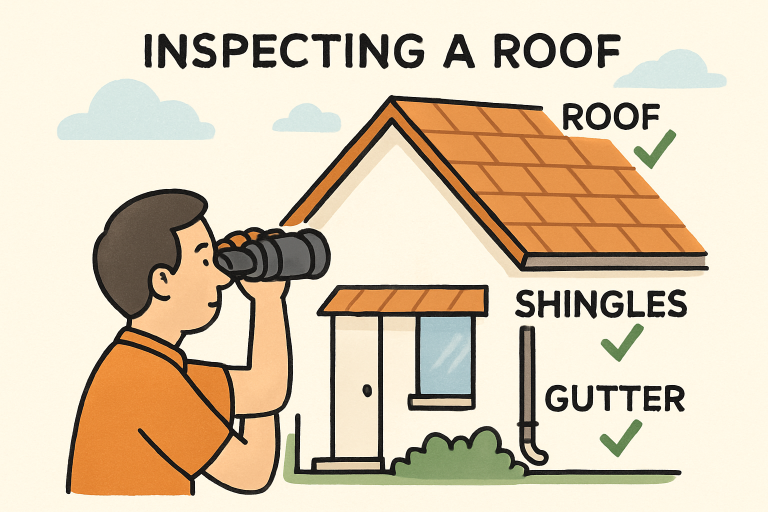
Roofing experts recommend evaluating your roof twice a year ideally in the spring and again in the fall. These regular inspections help you spot early signs of trouble that often go unnoticed, such as loose or missing shingles, exposed nail heads, and cracked caulk or sealant. After a severe storm, it’s also wise to check for new damage that might require immediate attention. Walk around your property and use binoculars to examine hard-to-see areas.
It is also helpful to keep a checklist during your inspections. Documenting the state of your roof over time can highlight patterns of wear or damage and better inform your future maintenance schedule. Pay close attention to areas around chimneys, skylights, and valleys, as these locations are especially prone to leaks. Take photos during each inspection so you can track any changes, new stains, or adjustments needed before the issues worsen.
Cleaning Gutters and Downspouts
Keeping gutters and downspouts clear allows water to flow away from your roof and foundation. Clogged gutters cause water to back up beneath shingles, leading to moisture damage. To avoid these risks, clean your gutters at least twice a year, removing sticks, leaves, and debris. Fall is a critical time for cleaning, as falling leaves can create immediate blockages. Consider using gutter guards to minimize the debris buildup and reduce the frequency of cleanings.
Routine gutter maintenance not only helps preserve the roof, but also protects landscaping, prevents basement flooding, and ensures your home’s foundation remains solid. Especially after heavy winds or storms, walk the perimeter of your house to check for sagging or detached gutters, and promptly reattach or replace sections as necessary. Cleaning downspouts by flushing water through them ensures no blockages are hidden further down the system.
Trimming Overhanging Tree Branches
Trees on your property add shade and beauty, but overhanging limbs present risks to your roof. Branches rubbing on roofing materials can cause abrasions, remove protective granules, and lead to punctures during heavy winds. Additionally, falling branches or limbs pose direct dangers during storms and can block out sunlight necessary for keeping your roof dry. Trim back overhanging limbs at least 10 feet away, and make it a habit to remove fallen branches or leaves from your roof after every storm.
Trimming also discourages wildlife, such as squirrels and raccoons, from accessing your roof and potentially causing damage. Regular landscaping not only extends your roof’s lifespan, but it can also improve curb appeal and even reduce the risk of insect infestations, as leaves and branches won’t linger and trap moisture on roofing surfaces.
Addressing Minor Repairs Promptly
Do not ignore signs such as missing or cracked shingles, damaged flashing, or popping nails. Addressing these minor repairs quickly prevents water from infiltrating your roofing system and causing structural damage or interior leaks. Timely patching and shingle replacement are important for preserving the roof’s integrity over time. If you’re ever unsure about repair needs, contacting a trusted roofing specialist will provide clarity and peace of mind.
Using quality materials and professional-grade sealants when making repairs can further improve the resilience of your roof. If you have an older roofing system, consider scheduling a roof rejuvenation inspection to determine whether specialized treatments could restore lost flexibility and waterproofing, giving your shingles extra years of service before a full replacement is needed.
Ensuring Proper Ventilation and Insulation
A well-ventilated and properly insulated attic provides year-round protection for your roof. Without enough airflow, heat and moisture can build up, causing roofing materials to deteriorate and increasing the risk of ice dams in winter. Proper insulation maintains even attic temperatures, which helps preserve shingles and other materials. If you notice excessive heat in the attic or any signs of mold or condensation, it is a good idea to upgrade your ventilation system and add insulation where needed.
Adding or improving attic fans, ridge vents, or soffit vents may be necessary for older homes to ensure a balanced exchange of air. In newer homes, it is worth examining the insulation’s condition at least once a year and replacing any compressed materials to maintain optimal thermal performance. Good attic ventilation helps maintain a comfortable home interior and can even lower your overall energy bills.
Scheduling Professional Maintenance
While homeowners can perform visual inspections and basic maintenance, annual professional checkups are key for longevity. Professional roofers spot issues that even careful homeowners might miss, such as subtle sagging, deteriorating flashing, or compromised underlayment. Scheduling a yearly maintenance check provides thorough assurance that your roof remains in optimal condition, extending its lifespan and keeping your home protected through all seasons.
Many roofing professionals offer maintenance packages that include debris removal, minor repairs, shingle analysis, and ventilation assessments. Maintaining a relationship with a local, reputable roofing contractor makes scheduling emergency and routine work much simpler. Documenting every professional visit and repair can help when making insurance claims or planning future upgrades, ensuring you always have an accurate record of your roof’s healthcare.
By consistently applying these proven strategies, you will extend the lifespan of your roof, reduce unexpected repairs, and ultimately save money over the life of your home. Regular care and attention can mean the difference between a roof that lasts decades and one that requires premature replacement.
Remember, good roof maintenance is a year-round commitment. By staying proactive and investing in preventive care, you not only secure your family’s safety but also maximize the value of your property. With each season, a little effort goes a long way to avoid larger issues, giving you peace of mind and a roof that continues to protect your home for many years to come.