Key Takeaways
- Custom plastic parts improve product performance and reduce overall costs for manufacturers.
- They are widely used in industries such as automotive, medical, and aerospace.
- Recent manufacturing techniques enable affordable, high-quality mass customization.
Custom plastic parts are at the core of innovation for today’s manufacturing sector, giving companies new ways to design efficient, high-performing products. Their flexibility allows engineers to tailor parts for unique requirements, whether for complex assemblies or specific industry standards. For more details on how specialized plastic components can improve your project, visit https://npi-ks.com/services/custom-plastic-parts-manufacturer/. Their growing importance stems from their ability to balance functional requirements with cost savings, durability, and sustainability.
The shift toward custom-engineered plastics has touched almost every sector, from automotive to aerospace, influencing not only product performance but also design versatility and supply chain risk reduction. As global organizations seek lighter, safer, and more resilient solutions, custom plastic parts play a significant part in driving progress and fostering industry innovation.
Automotive Industry
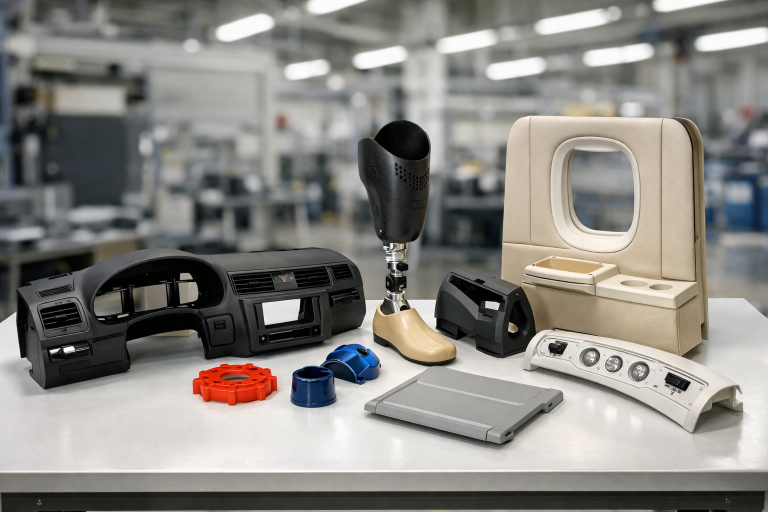
Automotive engineers are increasingly turning to custom plastic components to achieve lightweight yet robust vehicle designs. Plastics have replaced traditional metals in areas such as dashboards, bumpers, and various trim pieces, helping manufacturers meet strict emissions standards by reducing vehicle mass, a key factor in improving fuel economy. Plastic parts can also be customized to resist vibration, moisture, and extreme temperatures, providing lasting durability under challenging conditions.
The integration of plastics into safety systems, such as airbag housings and steering column covers, has also improved vehicle occupant protection. These tailored solutions perform specific functions without the material fatigue or corrosion issues often found with metals, contributing to both safety and longevity in contemporary cars. The rise of electric and hybrid vehicles further increases demand for plastic components, thanks to their ability to insulate and protect sensitive electronics while remaining lightweight.
Medical Devices
Custom plastic parts are indispensable in medical device manufacturing due to their adaptability and compliance with regulatory standards. Medical-grade plastics are crafted for biocompatibility, making them ideal for applications such as prosthetics, surgical tools, diagnostic housings, and sterile packaging. By tailoring shapes and material properties, engineers ensure precise fits and improve patient comfort, safety, and clinical outcomes.
Advances in injection molding and additive manufacturing enable highly intricate, sterile parts to be produced quickly and in large quantities. Single-use plastic components, designed for one-time medical procedures, help prevent cross-contamination. The ongoing evolution of composite materials for custom medical plastics is expected to deliver even better performance, enabling breakthroughs in areas such as minimally invasive surgical equipment and wearable health monitors.
Aerospace Applications
Aerospace manufacturers require materials that deliver strength without excess weight, making custom plastics an essential innovation. Components like interior panels, seat frames, window assemblies, and air ducts are now frequently made from engineering plastics or advanced polymer composites. By reducing total aircraft mass, these materials lower fuel consumption while maintaining structural integrity and meeting tough aviation safety and performance standards.
Plastics can be engineered to withstand severe temperature fluctuations, intense pressure, and harsh chemicals encountered during flight. As the need for lighter, more environmentally-friendly aircraft accelerates, the versatility and corrosion resistance of plastics support sustainable designs and prolong component lifespans. Additionally, the ability to tailor plastics for specific aerospace applications streamlines installation and maintenance, improving operational efficiency over the aircraft’s service life. For a deeper look at aerospace manufacturing innovations, see the Encyclopedia Britannica’s overview of the aerospace industry.
Advancements in Manufacturing Technologies
Breakthroughs in custom part production, such as digital design software, CNC machining, injection molding, and 3D printing, have revolutionized the plastics industry. For instance, polymorphic manufacturing enables cost-effective, bespoke components even for relatively low production runs. This flexibility ensures manufacturers can reduce lead times and rapidly iterate designs, supporting both prototyping and large-scale manufacturing.
These technologies also make it easier to combine several functions into a single part, eliminating the need for complex assemblies and minimizing material waste. New hybrid techniques are pushing the boundaries of part complexity and performance, allowing designers to embed sensors or reinforce plastics with fibers for additional strength. The ability to rapidly adapt designs across industries keeps custom plastics at the forefront of manufacturing innovation.
Benefits of Custom Plastic Parts
- Cost-Effectiveness: Custom plastics often reduce material and labor costs compared to metals, especially with streamlined production methods.
- Design Flexibility: Engineers can create intricate geometries and unique characteristics not achievable with traditional materials.
- Durability: High-quality plastics are inherently resistant to corrosion, chemicals, and weathering, making them ideal for long service in many harsh environments.
Environmental Considerations
As the global industry targets greener practices, manufacturers are embracing recyclable plastics and optimizing design strategies to minimize material waste. These initiatives align with growing environmental regulations and consumers’ preferences for sustainable products. With continued research into bio-based and recycled polymers, the plastic manufacturing sector is working toward a significant reduction in its environmental footprint.
Conclusion
Across industries, custom plastic parts drive innovation, sustainability, and economic efficiency. Whether optimizing automotive efficiency, advancing modern medicine, or streamlining aircraft performance, these parts are uniquely positioned to deliver lasting value. As technology evolves, the role of custom-engineered plastics will continue to expand, shaping more sustainable, high-performance products for the future of manufacturing.