
The most impressive property portfolios rarely happen by accident. Behind the headlines about record-breaking sales and sought-after addresses, there are professionals doing careful, unglamorous work – analyzing markets, structuring deals, managing relationships, and catching problems before they become expensive.
Understanding who those people are and what they actually contribute changes how you approach any serious real estate decision.
The Investment Firm
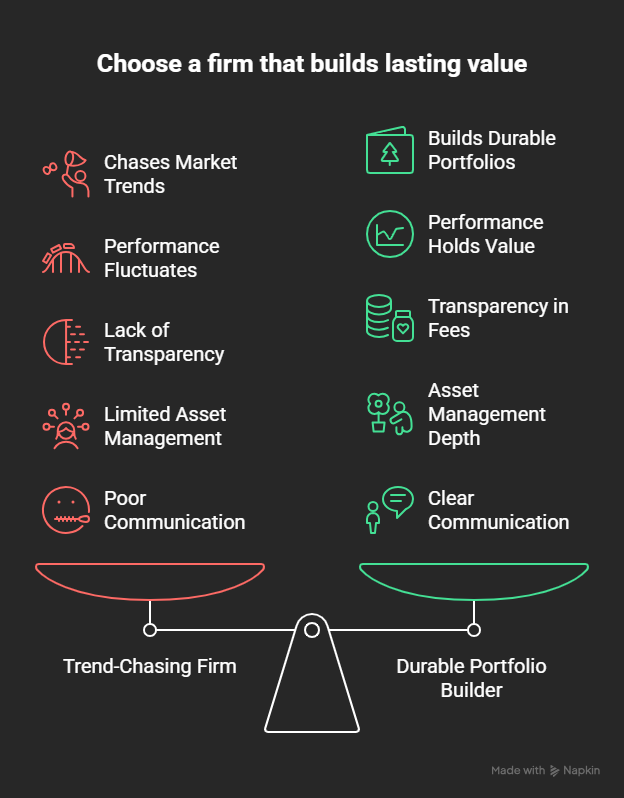
Everything starts with who you partner with. Emerald City Associates is the kind of firm that shapes what a real estate investment looks like from the beginning – identifying opportunities, structuring acquisitions, and managing assets in ways that align with long-term goals rather than short-term returns. That distinction matters more than most first-time investors realize.
A good investment firm isn’t just a source of deal flow. It brings market intelligence, legal and financial relationships, and a track record of navigating the conditions that trip up less experienced buyers.
The difference between a firm that chases trends and one that builds durable portfolios often shows up years later, in how assets hold value when the market turns.
What to look for when evaluating a real estate investment firm:
- Track record across market cycles – performance during downturns matters as much as gains during growth periods
- Transparency in fees and structure – how a firm makes money should be clearly documented and aligned with your interests
- Asset management depth – the firm should have systems for managing properties after acquisition, not just buying them
- Communication standards – how often and how clearly the team communicates during both good and difficult periods tells you more than any pitch deck
The Real Estate Attorney
Every significant real estate transaction moves through legal review, and the quality of that review can determine whether a deal closes cleanly or reveals problems that change the terms.
What a real estate attorney actually does is more than most buyers expect. Title searches, contract review, zoning verification, closing documentation – that’s the foundation.
On investment properties, add lease audits, environmental disclosures, and anything in the fine print that changes what the property is worth or what owning it will cost.
Commercial and residential real estate law involve very different considerations, so the attorney’s area of practice should match the type of investment. A lawyer who handles high-end residential transactions brings different expertise than one who primarily works with commercial landlords or multi-family acquisitions.
The Property Inspector and Appraiser
These two roles serve different functions but both carry significant weight in any serious investment decision made.
A property inspector’s job is to find what isn’t visible – structural issues, electrical systems that don’t meet code, HVAC systems near end of life, water intrusion that’s been cosmetically patched but not fixed. A solid inspection report gives buyers a real picture of ownership costs and creates leverage when issues come up.
An appraiser establishes the property’s market value independently of the asking price. For investment purposes, appraisers also evaluate income-generating potential, comparable sales in the area, and factors that could affect value over time.
Lenders require appraisals before financing, but investors benefit from having an independent appraisal even in cash transactions – it’s a check on assumptions that enthusiasm can make easy to overlook.
The Property Manager
For anyone holding real estate as a long-term income asset, the property manager may be the most consequential professional relationship in the portfolio.
A good one handles tenant screening, lease enforcement, maintenance coordination, and financial reporting. A bad one creates vacancy, legal exposure, and deferred maintenance that compounds.
The difference between a good property manager and a bad one shows up in the numbers – vacancy rates, maintenance costs, turnover, late payments. Here’s what the good ones look like:
- Tenant screening – documented criteria applied consistently, background checks run on every applicant, no shortcuts
- Maintenance response – fast turnaround on requests; the longer small problems sit, the more expensive they get and the more likely a good tenant starts looking elsewhere
- Financial reporting – monthly statements that are clear and arrive on time, not summaries that require follow-up questions
- Vacancy management – leasing activity starts before a unit is empty, not after; reactive managers cost owners money
- Local knowledge – competitive pricing, local regulations, neighborhood trajectory; a manager who doesn’t know the market can’t protect your investment in it
The Tax Advisor
Real estate investing has tax implications that shift significantly depending on how a deal is structured, where the property is, and what type of asset it is. Depreciation schedules, 1031 exchanges, capital gains treatment, and passive loss rules are all areas where the right advisor saves considerably more than their fees.
A tax advisor who specializes in real estate will help structure acquisitions to minimize tax drag and plan dispositions to reduce capital gains exposure – working alongside the investment firm and attorney, not reviewing decisions after they’re made.
The professionals behind a truly successful real estate portfolio aren’t visible in the listing photos. They’re in the structure of the deal, the quality of the management, and the decisions made well before any offer is submitted.