Key Takeaways
- Sustainable Building Practices: Eco-friendly materials and energy-efficient designs are now industry standards.
- Smart Home Integration: Home automation and connected technologies enhance modern living.
- Flexible Living Spaces: Multipurpose rooms and adaptable layouts lead to versatile home environments.
- Natural Light Utilization: Large windows and open spaces create brighter, more inviting interiors.
- Durable Exterior Materials: Homeowners prefer materials that require less maintenance and provide long-term durability.
- Minimalist Design: Clean lines and uncluttered interiors remain desirable design choices.
- Enhanced Indoor Air Quality: Advanced ventilation addresses health and wellness needs.
- Water Efficiency: Smart plumbing and low-flow fixtures respond to conservation imperatives.
- Accessory Dwelling Units (ADUs): Secondary units offer solution-oriented space for family or rental income.
As the residential construction industry rapidly evolves, 2026 is shaping up to be a year defined by innovative building practices, homeowner-centric technology, and adaptable design. Whether you’re a homeowner planning to upgrade or a builder aiming to stay ahead of market trends, understanding the latest shifts in the industry is crucial. These trends not only affect structural design and material choices but also influence how people experience home life. For those considering projects involving residential roofing Seattle, aligning with modern trends can ensure lasting value and comfort for years to come.
Today’s homeowners are more discerning in their expectations, balancing energy conservation, smart technology, and lifestyle flexibility. Builders are responding by innovating materials and methodologies while keeping an eye on both sustainability and economic efficiency. Staying updated on these trends allows homeowners and construction professionals to make decisions that genuinely reflect their priorities and values.
Sustainable Building Practices
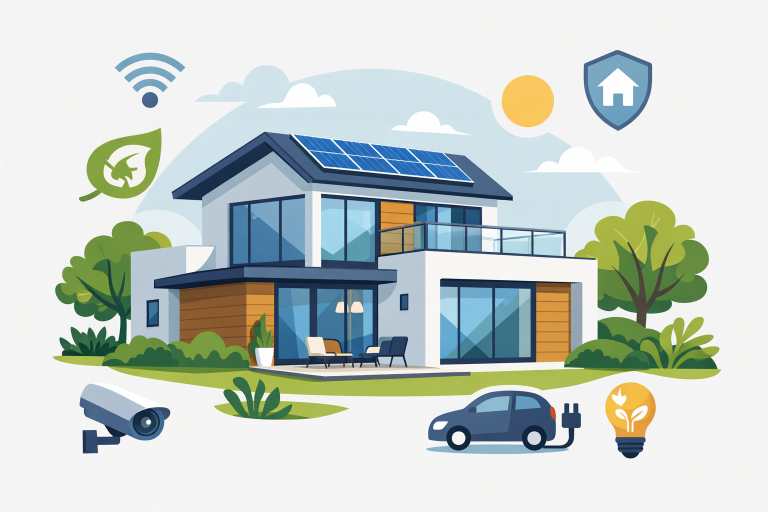
As environmental awareness grows, sustainable residential construction is emerging as one of the most important trends for 2026. Builders are increasingly leveraging recycled and responsibly sourced materials to construct structures that reduce both environmental impact and long-term energy costs. Popular green choices include reclaimed wood, recycled steel, and advanced insulation products. Energy-efficient designs, such as triple-pane windows and solar-ready roofing, further decrease utility bills while lowering the overall carbon footprint. According to the U.S. Green Building Council, sustainable construction practices are projected to become a baseline requirement for new homes, driven by regulatory changes and consumer demand (USGBC).
Smart Home Integration
Modern homeowners are embracing smart home systems to simplify daily living and maximize security. Automation has moved beyond programmable thermostats into fully connected environments where lighting, heating, and even entry systems are managed from smartphones or voice assistants. The rise of devices such as smart locks, automated blinds, and AI-powered energy management systems marks a significant pivot towards homes that anticipate needs and adjust in real time. Leading builders are now prioritizing pre-wired walls and centralized control hubs as standard home features to meet growing expectations.
Flexible Living Spaces
The way people use their homes has shifted, with multifunctional layouts becoming the norm. Flexible living spaces, such as movable walls, convertible rooms, and built-in furniture, allow residents to adapt to remote work, exercise routines, and entertaining guests more efficiently. This adaptability ensures homes grow with occupants, facilitating everything from home offices to kid-friendly play zones. Open-plan designs and strategically partitioned spaces are both in high demand for their ability to respond to changing family dynamics.
Natural Light Utilization
Increasing access to natural light not only enhances the visual appeal of interiors but also boosts energy efficiency. Homeowners increasingly favor large windows, skylights, and seamless transitions between indoor and outdoor areas. Open floor plans and glass elements maximize daylight, reducing reliance on artificial lighting and promoting a healthier indoor environment. According to a recent Architectural Digest piece, homes that embrace natural light see a measurable increase in occupant health and satisfaction.
Durable Exterior Materials
Modern exteriors emphasize longevity, minimal maintenance, and durability against the elements. Materials such as fiber-cement siding and metal roofing are seeing a surge in popularity. These choices offer homeowners peace of mind with resistance to moisture, fire, pests, and temperature fluctuations. With unpredictable weather patterns becoming the norm, investing in durable materials translates into longer lifespans and less frequent repairs over the life of a home.
Minimalist Design
Minimalism remains a central influence in residential architecture and interior design. Homeowners prefer open layouts, neutral palettes, and clutter-free spaces. Clean lines and functional simplicity create both a sense of luxury and tranquility. This aesthetic not only complements other trends, such as smart technology and flexible spaces, but also supports well-being by reducing visual and physical noise in everyday life.
Enhanced Indoor Air Quality
Health-conscious features are becoming integral to residential construction. Builders are integrating advanced filtration and ventilation systems, such as heat recovery ventilators (HRVs) and whole-home air purifiers. These systems address concerns related to allergens, pollutants, and respiratory wellness, which are particularly important in urban environments. For families, these health features are significant selling points in a competitive housing market.
Water Efficiency
Rising awareness around water conservation is reflected in the widespread adoption of low-flow plumbing fixtures, efficient irrigation systems, and greywater recycling setups. Reputable fixtures now combine advanced technology with design, allowing for significant reductions in water waste without sacrificing performance. Water-efficient homes not only help preserve finite natural resources but also reduce monthly utility expenses.
Accessory Dwelling Units (ADUs)
Accessory Dwelling Units, or ADUs, are smaller secondary residences built on the same lot as a primary home. Their flexibility—providing in-law suites, guesthouses, or rental units—addresses changing family needs and rising housing costs. Municipalities across the country are adopting ADU-friendly policies to expand housing options without altering neighborhood character. As a result, ADUs are becoming vital assets for property owners seeking value and adaptability.
These trends are setting a new standard for thoughtful, adaptable, and sustainable residential construction. Builders and homeowners alike benefit by prioritizing solutions that promote long-term value, enhanced comfort, and a commitment to wellness and the environment. Staying ahead of the curve ensures your home isn’t just modern today but remains resilient and desirable in the years to come.