
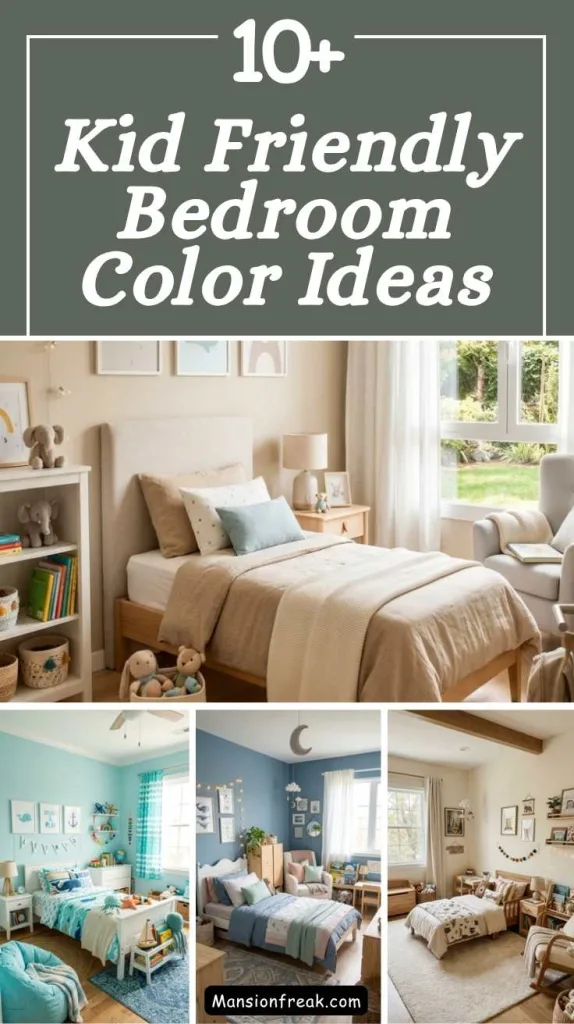
10+ Kid Friendly Bedroom Color Ideas for Restful Sleep
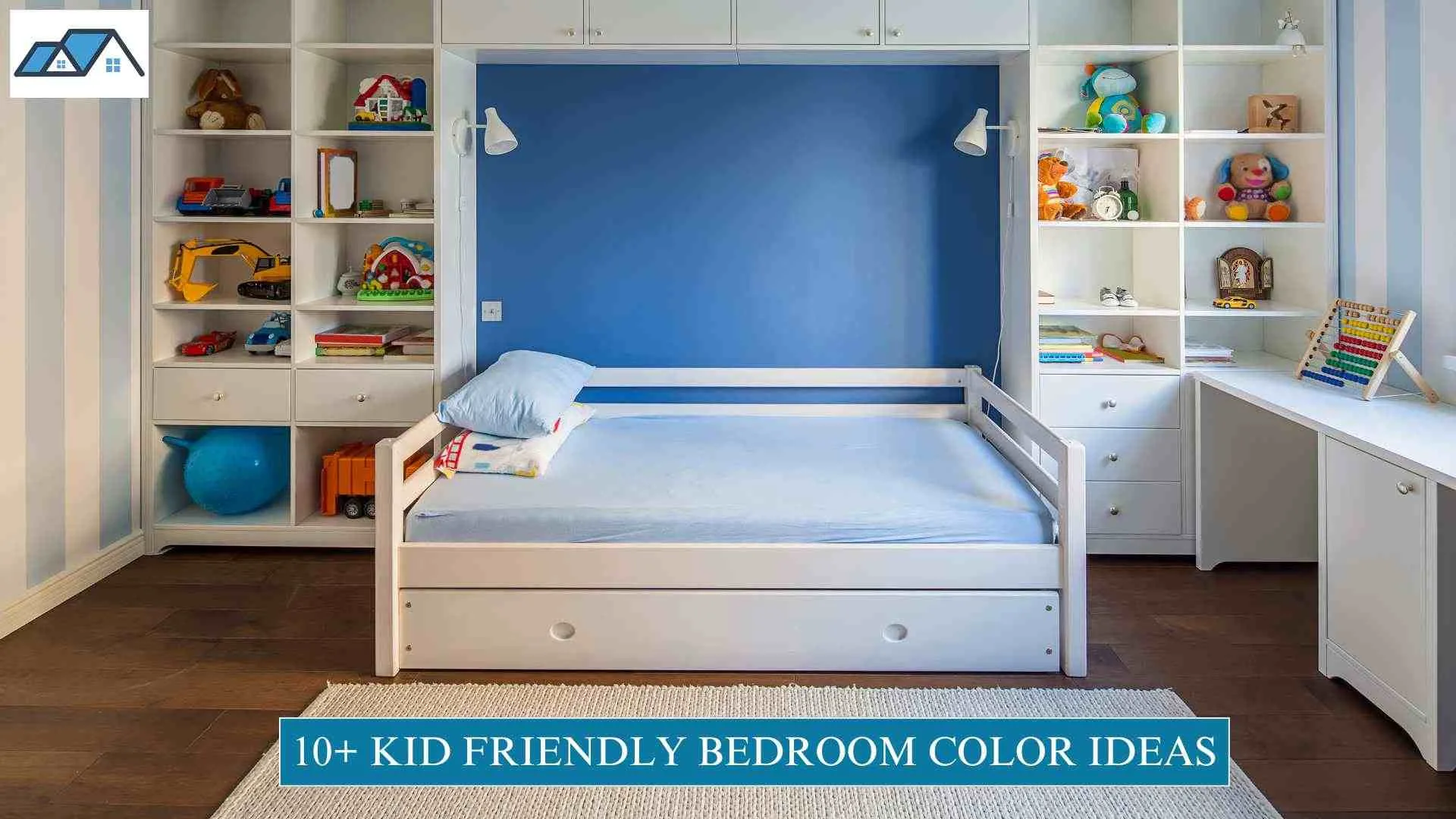
Picking bedroom colors for kids sounds easy until you realize the room needs to work for sleeping, playing, learning, and growing up—all at the same time. That is why kid friendly bedroom color ideas are less about following trends and more about creating spaces that feel comfortable and fun.
I learned this while helping redesign a small kids’ room where changing only the colors made the space feel bigger, brighter, and much more usable. Sometimes color choices do more work than furniture.
1. Soft Gray With Blush
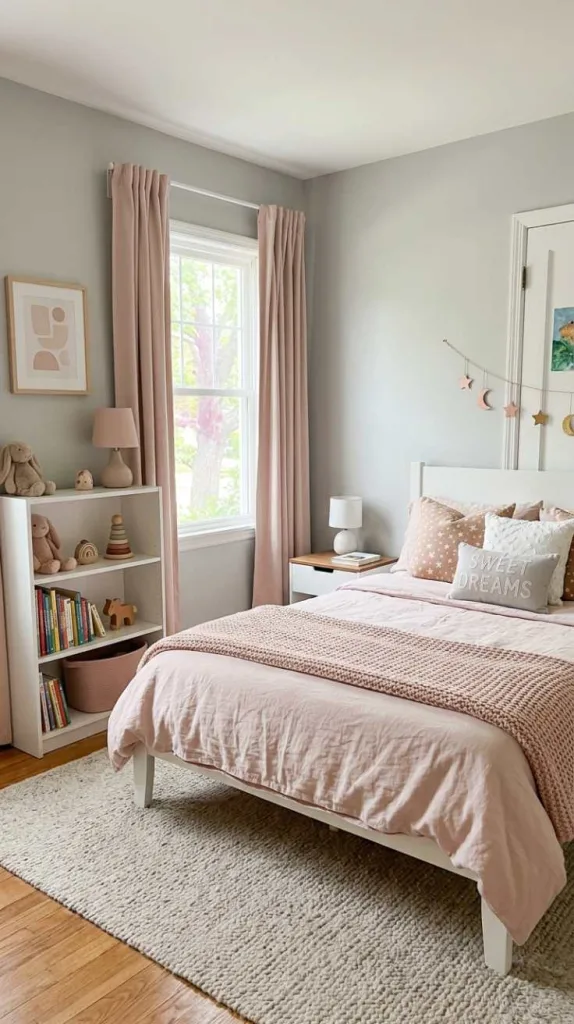
Soft gray walls paired with blush accents create a bedroom that feels playful without becoming visually overwhelming. The combination works especially well because gray keeps the space balanced while blush adds warmth through bedding, pillows, artwork, or furniture.
You can easily update the room later since neither color feels overly age-specific. Many parents choose kid friendly bedroom color ideas like this because the colors grow easily with changing interests while still keeping the room soft and welcoming.
2. Aqua Blue Refresh
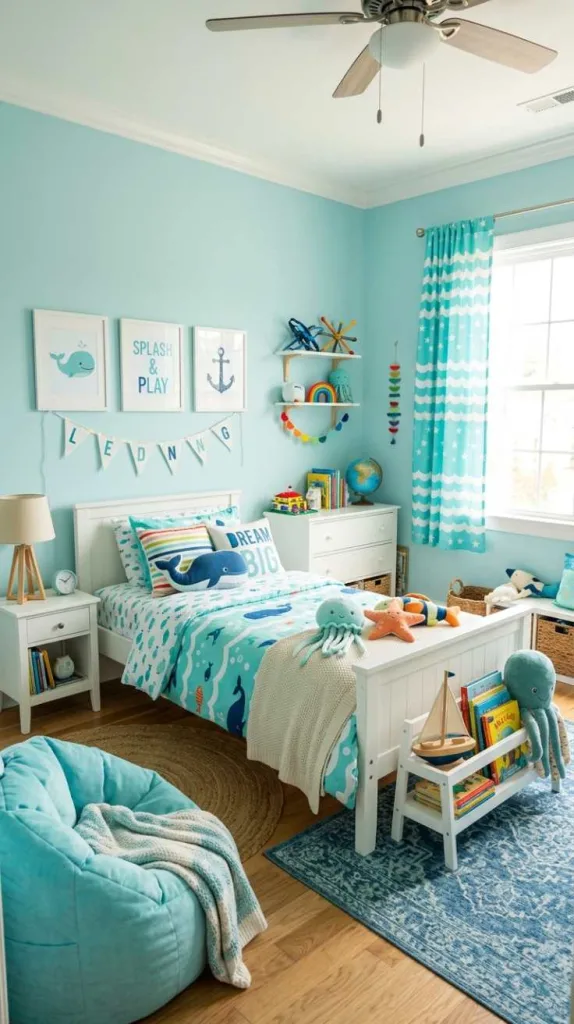
Aqua blue mixed with crisp white instantly creates a lighter atmosphere that makes bedrooms feel brighter and more open. The color works particularly well when used across walls, bedding, or smaller decorative details because it keeps energy levels playful without becoming loud.
White furniture also helps maintain balance while preventing the room from feeling too saturated. That flexibility is exactly why kid friendly bedroom color ideas often include lighter blue tones for versatile spaces.
3. Earthy Brown & Cream
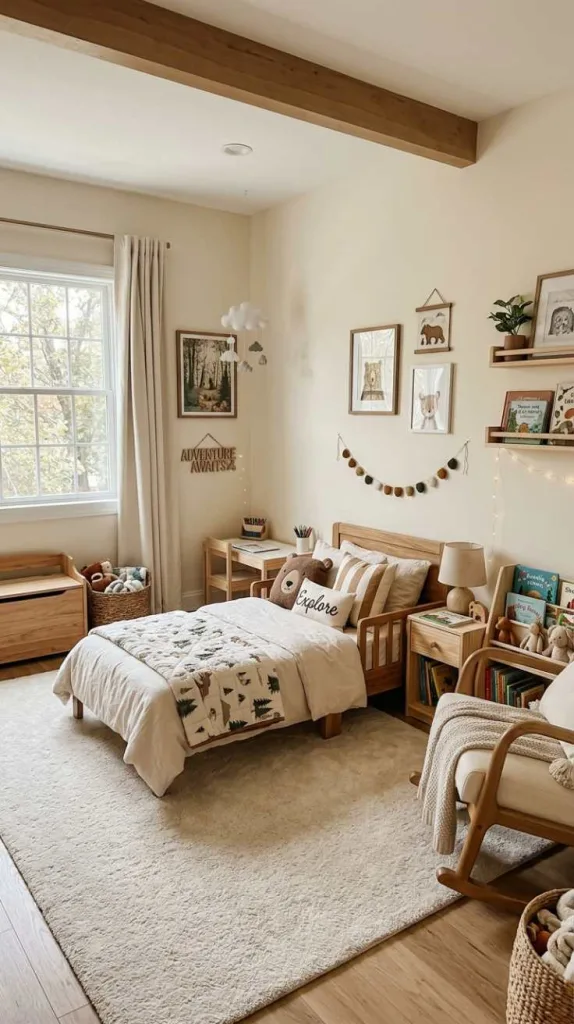
Warm brown tones paired with soft cream colors create cozy spaces that feel grounded rather than overly colorful. Wood furniture naturally works with this palette, making the room feel connected and comfortable.
Blankets, woven textures, and softer fabrics also stand out more against earthy colors. The space feels calm while still maintaining warmth. This natural approach makes earthy combinations popular in kid friendly bedroom color ideas focused on comfort and longevity.
4. Pale Purple Comfort
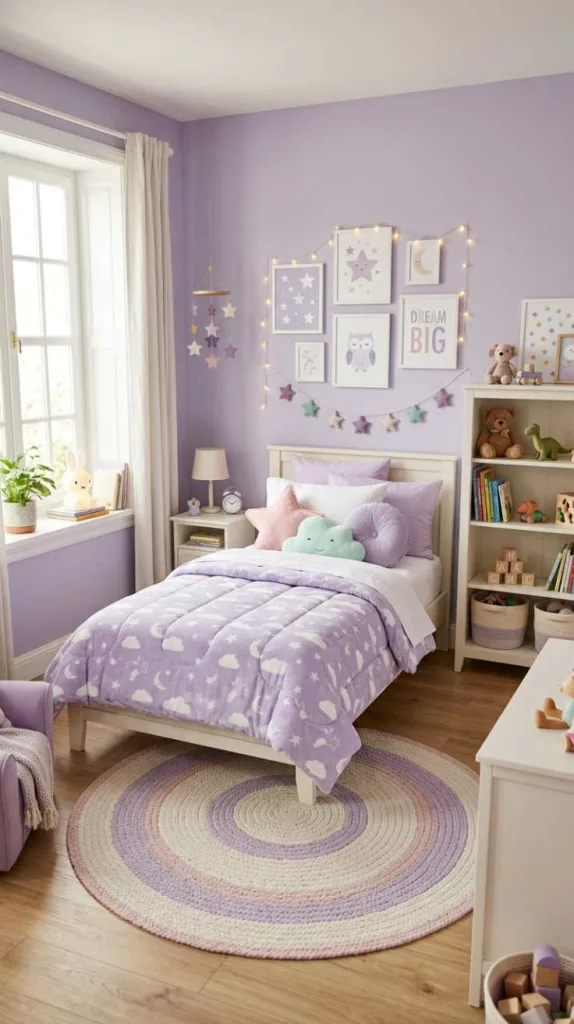
Pale purple creates softness without becoming overly bright, especially when combined with white furniture or lighter textiles. The room feels colorful enough to stay playful while remaining calm during bedtime routines.
Lighter shades also reflect more light, helping smaller rooms appear larger. This is frequently used for softer purple tones instead of stronger shades, especially when creating spaces inspired by Dreamy Girls Bedroom Color Ideas.
5. Soft Rainbow Palette
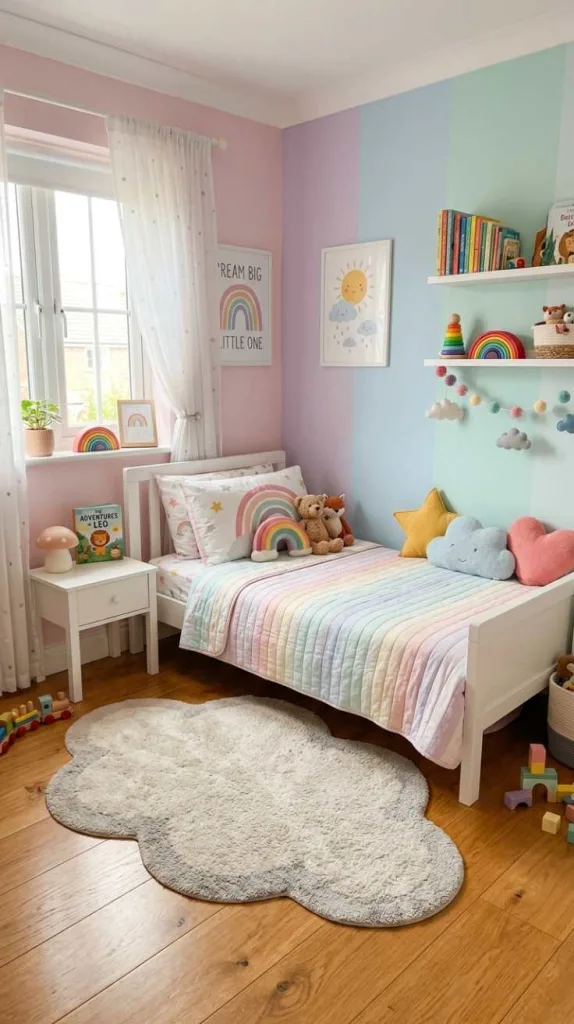
Rainbow colors work better when they stay muted rather than highly saturated. Using softer pastel versions creates playful spaces without visual overload. Bedding, wall art, rugs, or storage bins can introduce multiple colors while maintaining balance throughout the room.
Layering softer tones together creates flexibility because decorative pieces can change easily over time. This playful approach appears frequently in kid friendly bedroom color ideas designed for creativity and fun.
6. Gentle Periwinkle Walls
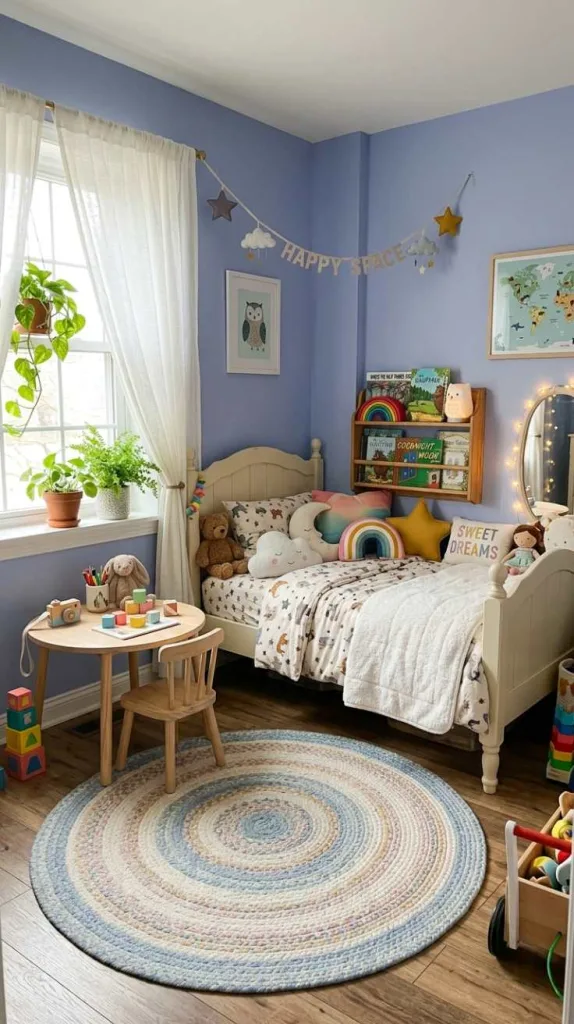
Periwinkle creates an interesting balance because it combines blue calmness with slight purple warmth. The result feels softer than traditional blue while remaining bright enough for children’s spaces.
Light woods, white furniture, and textured fabrics pair naturally with this shade without requiring major decorating effort. The room stays colorful while still supporting a relaxing atmosphere.
7. Soft Olive Tones
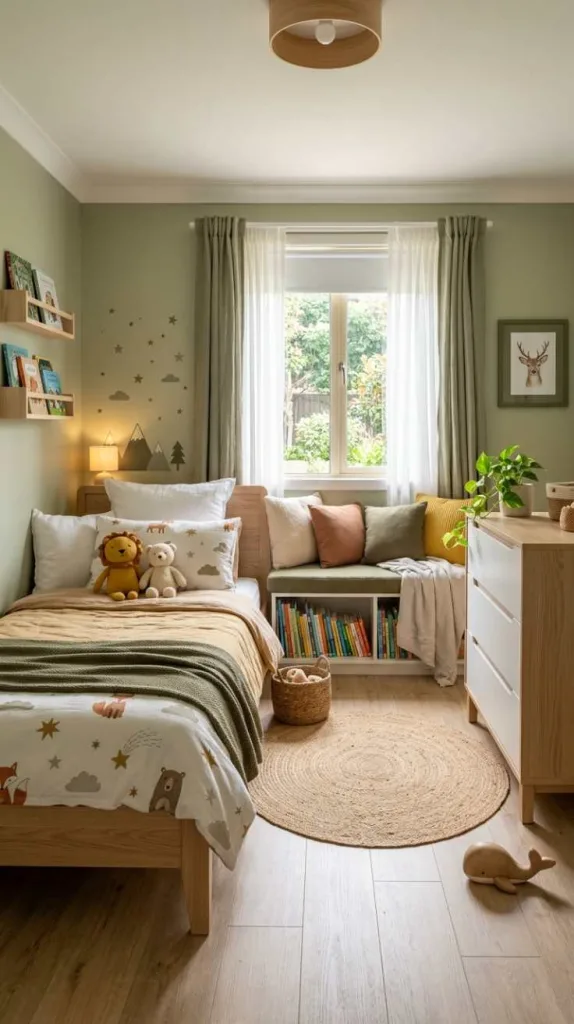
Soft olive creates warmth while keeping the room connected to natural colors. It works especially well with wood furniture, woven textures, and cream accents because everything feels grounded together.
The color avoids feeling overly bright while still adding personality to walls. Plants and natural materials also blend easily into this palette. Many modern kid friendly bedroom color ideas include softer greens because they feel calm and flexible.
8. Cool Sand Shades
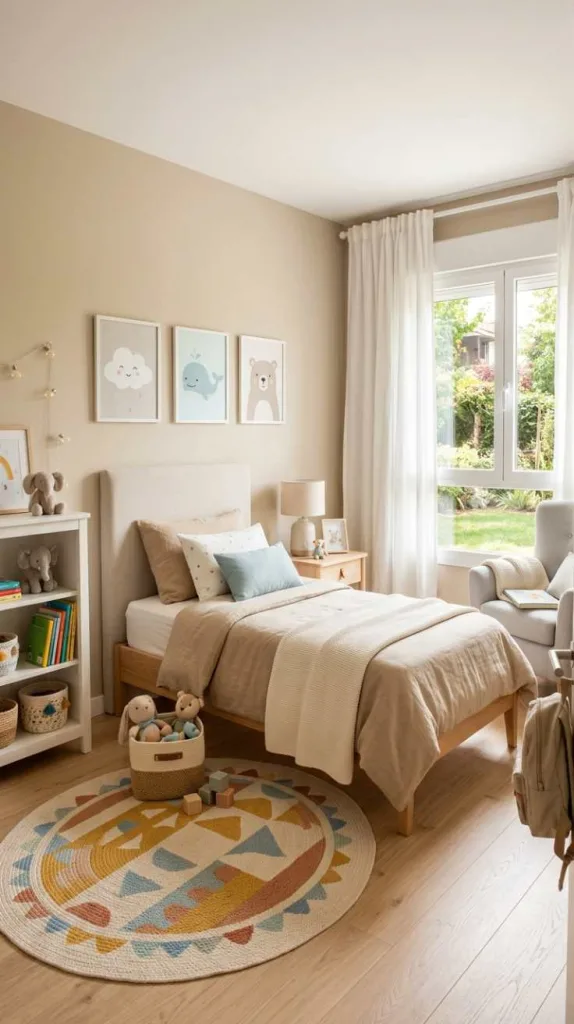
Cool sand colors create brightness while avoiding the plain look of standard white walls. Beige undertones keep the room warm while still allowing colorful toys, bedding, and artwork to stand out naturally.
This palette also makes future room updates easier since almost every accent color works alongside it. Adding thoughtful Bedroom Window Ideas with light curtains or natural light can make these soft shades feel even brighter and more open.
9. Faded Denim Blue
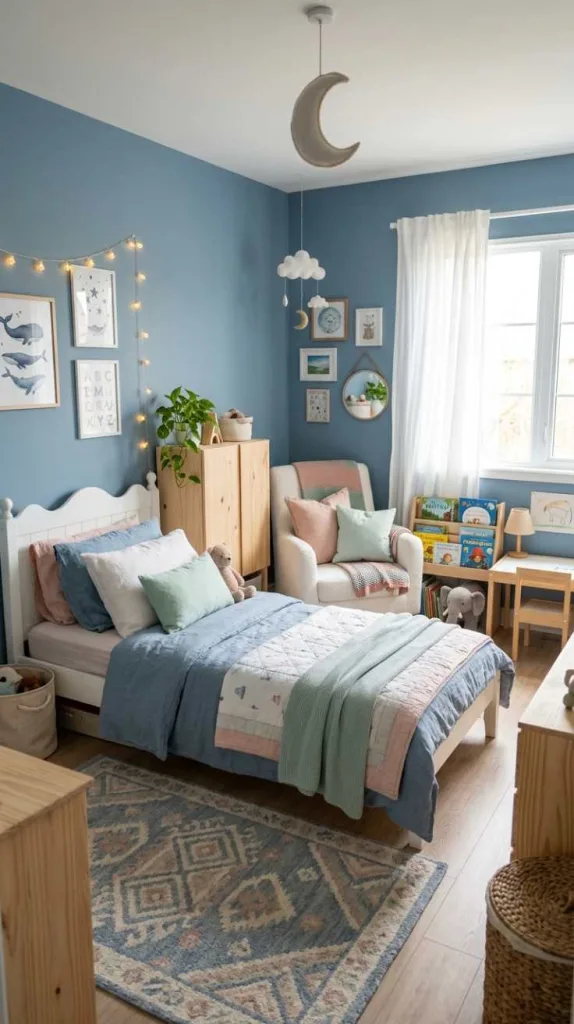
Denim-inspired blues create familiar comfort because the color feels casual rather than formal. Lighter denim tones work especially well when paired with cream, wood, or white furniture because everything stays balanced visually.
The room feels more relaxed compared to brighter blues while still maintaining color. Textured fabrics also complement this palette naturally. That relaxed atmosphere makes faded denim useful for bedrooms designed around comfort and everyday use.
10. Soft Mauve Layers
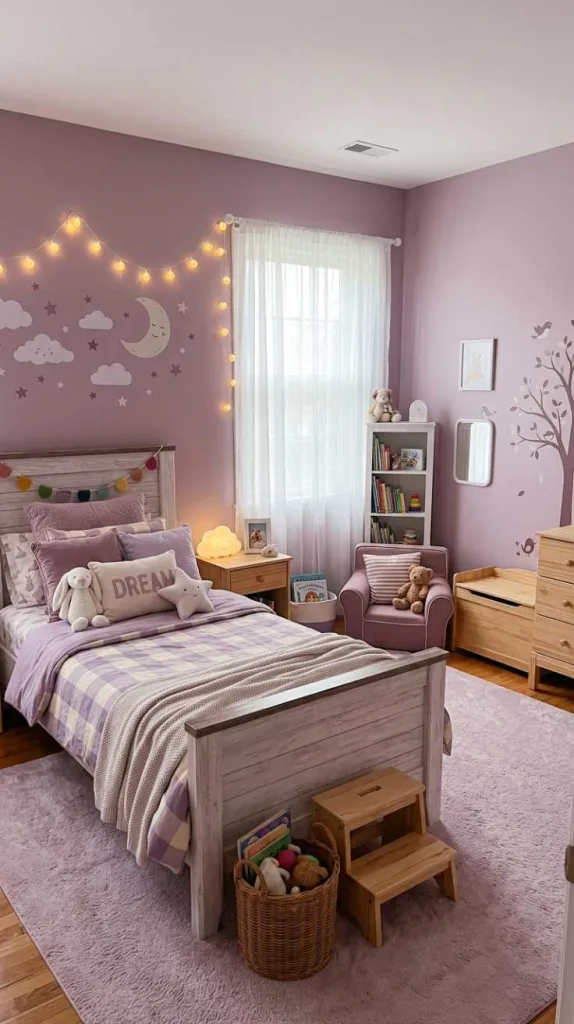
Soft mauve introduces warmth without relying on strong pink tones. Layering mauve through walls, bedding, curtains, or rugs creates depth while keeping the room calm. The lighter neutrals without becoming difficult to style.
As lighting changes throughout the day, mauve shifts subtly, creating more visual interest. The shade also works with natural wood and pairs surprisingly well with Unique Bed Designs that become focal points without overwhelming the space.
11. Floral Fantasy Colors
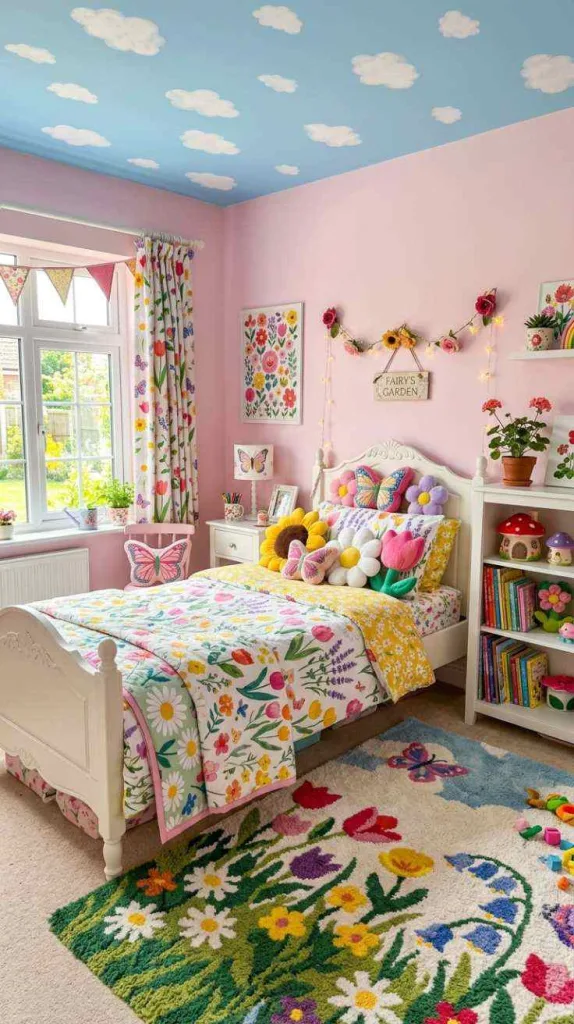
Soft florals create playful bedrooms without depending entirely on bright colors. Mixing muted pinks, creams, greens, and lavender shades creates a softer interpretation of floral themes that feels easier to maintain long term.
Floral wallpaper, bedding, or artwork adds personality without requiring every element to match. The room feels imaginative while still remaining practical for daily use. This balance keeps floral-inspired palettes popular for creative spaces.
12. Magical Galaxy Colors
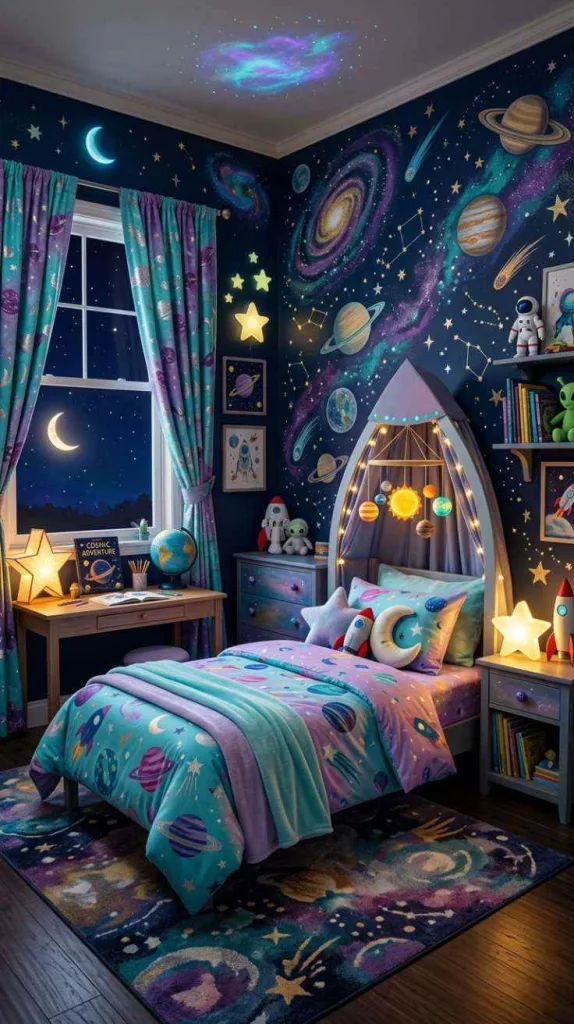
Deep blues, muted purples, soft grays, and subtle star-inspired colors create bedrooms that feel imaginative without becoming overwhelming. Using darker colors selectively through walls or accent pieces keeps the space cozy while lighter furniture prevents heaviness.
Glow lighting, star details, and textured fabrics help reinforce the atmosphere naturally. The combination creates spaces that feel playful during the day and relaxing at night. Galaxy-inspired palettes remain popular because they combine imagination with comfort.
Final Thoughts
Good color choices do not need to be complicated. The most effective kid friendly bedroom color ideas usually balance comfort, flexibility, and personality without making the room feel overwhelming.
Whether you choose calming greens, soft blues, warm neutrals, or playful accents, the goal is creating a room that feels enjoyable now while still working as kids grow and change. Sometimes the right color simply makes the whole room feel easier to live in.