10+ Modern Farmhouse Paint Colors: Timeless Shades
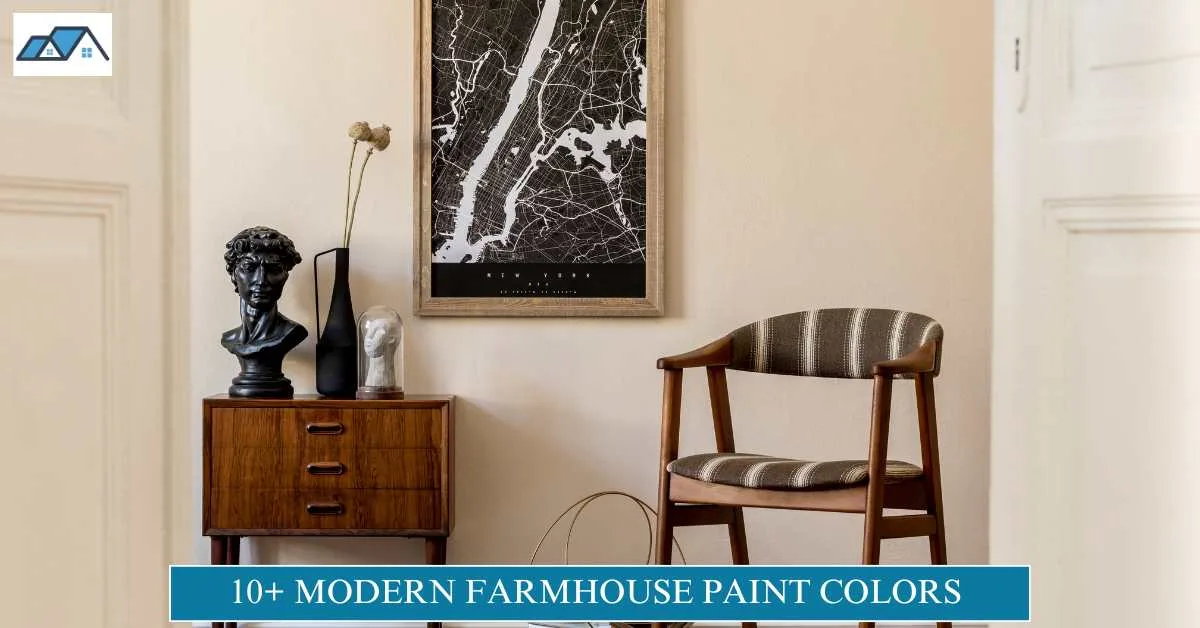
Have you ever walked into a home and instantly felt relaxed, like everything just worked without trying too hard? That’s the magic of the modern farmhouse style—and a huge part of that feeling comes from choosing the right modern farmhouse paint colors. It’s not just about white walls and rustic wood anymore.
It’s about balance, warmth, and subtle contrast. I’ll tell you from experience, I once thought a modern farmhouse meant painting everything plain white and calling it a day. Big mistake. The space felt flat and kind of lifeless.
Once I started layering in warmer tones and soft contrasts, the whole vibe changed. Suddenly, it felt cozy, inviting, and actually lived-in—in the best way possible.
1. Soft Creamy White

I started with a creamy off-white, and at first it felt almost too simple to make an impact. But once it settled across the walls, it softened everything in a way bright white never did. I didn’t need to layer too many textures because the color already created a calm base.
Over time, it became easier to style around without constantly adjusting things. This is where modern farmhouse paint colors feel most natural—when the foundation quietly supports the entire space without trying too hard.
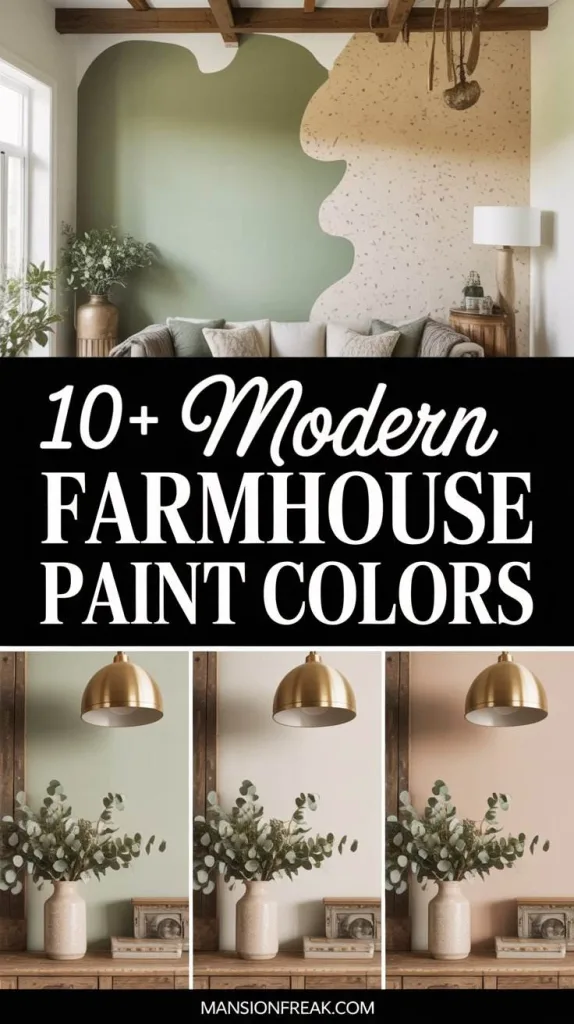
2. Dusty Olive Calm

I tried a dusty olive green, and initially I thought it might darken the room too much. But once it was on the walls, it brought a grounded, natural feel that didn’t feel heavy at all. It worked especially well with wood tones and soft lighting.
I kept surrounding elements light so the green didn’t overpower the space. Over time, it created a relaxed and steady atmosphere. This is one of those modern farmhouse paint colors that brings nature indoors without making the room feel closed.
3. Blush Beige Warmth
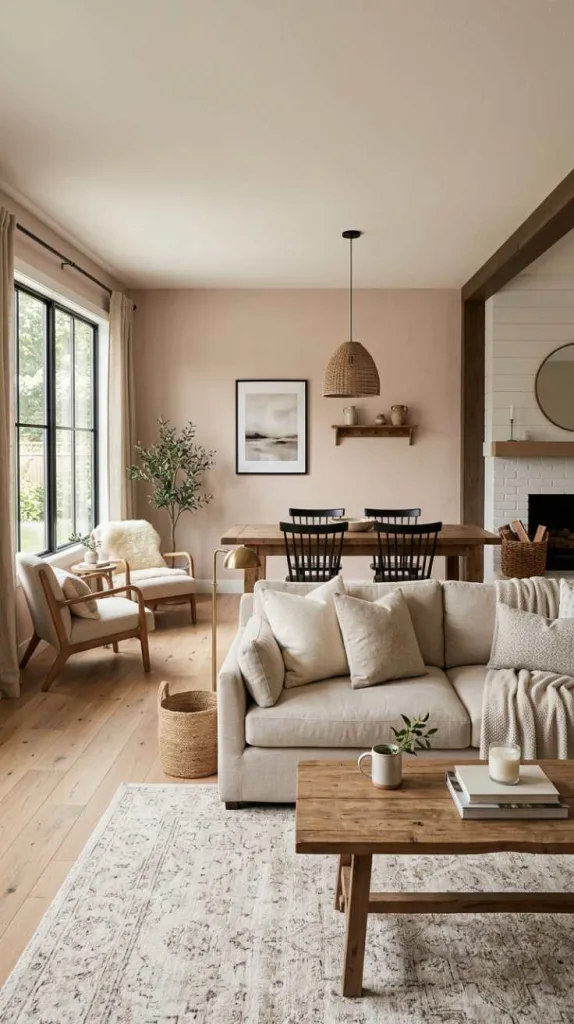
I used a blush beige tone, and at first it almost looked like a neutral with a slight tint. But as the light shifted throughout the day, it revealed a soft warmth that made the space feel more inviting. It didn’t feel pink or overly styled—just gently warm.
I avoided adding too many competing tones so it stayed subtle. Over time, it became one of those colors that quietly improves the mood. This is how modern farmhouse paint colors can feel soft and comforting without being obvious.
4. Deep Iron Accent

I added a deep iron shade as an accent, and at first it felt a bit too bold compared to softer tones. But once balanced with lighter walls, it created contrast that made the space feel more structured. It added depth without taking over the room.
I used it sparingly so it stayed intentional. Over time, it grounded the entire design. This is one of those modern farmhouse paint colors that works best when used in small, controlled areas.
5. Muted Terracotta Base

I experimented with a muted terracotta, and at first I worried it might feel too warm or dated. But once it settled, it brought a soft earthy richness that felt natural rather than heavy. It worked well with neutral furniture and simple textures.
I kept the shade toned down so it didn’t dominate the space. Over time, it created a cozy and inviting feel. This is one of those modern farmhouse paint colors that adds warmth without overwhelming the room.
6. Soft Slate Blue Calm Balance

I tried slate blue in a farmhouse-style space, and at first it felt a little cooler than I expected. But once I lived with it, the tone actually created a very calming balance in the room. It didn’t feel harsh or cold—it felt steady and grounded when paired with warm wood and soft lighting.
I kept the rest of the décor neutral so the color could breathe without competing elements. This kind of soothing palette is often seen in Blue Sofa Living Room Ideas, where soft blue tones help create a relaxed and cohesive living environment.
7. Earthy Terracotta Warmth

I used earthy terracotta in a small area, and at first it felt like a bold move compared to softer farmhouse neutrals. But once it was on the wall, it brought an instant sense of warmth that made the space feel more lived-in and cozy.
I made sure not to spread it everywhere, which helped keep it balanced instead of overwhelming. Over time, it became a grounding feature in the room that added depth without feeling too strong or heavy.
8. Muted Yellow Soft Glow

I experimented with muted yellow, and at first I worried it might feel too cheerful or out of place for a farmhouse look. But the toned-down shade surprised me by creating a soft glow that felt warm rather than bright.
It worked especially well in areas that didn’t get much natural light, giving the room a gentle lift. Over time, it made the space feel more welcoming without being loud or distracting, just quietly uplifting the overall mood.
9. Fresh Olive Green

I used olive green in a farmhouse setting, and at first it felt slightly darker than I expected for a “fresh” look. But once everything came together, it actually made the room feel more natural. The green tone brought in a subtle outdoor feel that worked really well with wood textures.
I kept it muted so it didn’t overpower the space. I kept it muted so it didn’t overpower the space. Many design inspirations from Green Couch Living Room Ideas also use similar earthy greens to create a grounded, nature-inspired atmosphere that feels calm and inviting.
10. Peachy Coral Warm Accent

I added a peachy coral tone as an accent, and at first it felt a bit outside the typical farmhouse palette. But once balanced with soft neutrals, it brought a gentle warmth that made the space feel more personal and lived-in.
I didn’t use it everywhere, which helped it stay subtle instead of overwhelming. It worked best in small touches where I wanted a hint of color without losing the calm farmhouse feel. Over time, it added personality without disrupting.
11. Revere Pewter Classic Neutral

I used Revere Pewter, and at first it seemed like a safe, almost too-neutral choice. But after living with it, I realized how flexible and balanced it really is. It adapts to both warm and cool elements in the room, which makes decorating much easier.
I didn’t have to constantly adjust accents around it. This kind of versatile foundation is often highlighted in Pottery Barn Living Room Ideas, where timeless neutrals are used to build calm, cohesive, and effortlessly styled spaces.
12. Rocky Coast Depth Tone

I tried Rocky Coast as a deeper tone, and at first it felt a bit heavy compared to lighter farmhouse colors. But once paired with softer accents and lighter décor, it created a grounded, structured feel that actually improved the room’s balance.
I made sure not to overuse it so it didn’t dominate the space. Over time, it added depth and contrast that made everything else stand out more naturally. It became one of those shades that anchors the room without overwhelming it.
Conclusion
Choosing the right modern farmhouse paint colors isn’t about following strict rules—it’s about creating a space that feels warm, balanced, and genuinely comfortable to live in. From soft whites and cozy neutrals to earthy greens and subtle dark accents, every color plays a role in building that relaxed farmhouse vibe.
If your space feels a little flat or too cold, start by warming up your palette and adding gentle contrast. You’ll be surprised how quickly things come together. And once it clicks, you’ll walk into your home and think, “Yep… this finally feels right.”