11+ Taupe Paint Colors I’m Obsessed With and How to Use Them

Ever stand in front of paint swatches feeling completely overwhelmed by whites, beiges, and grays that all look… the same? Yeah, I’ve been there too. That’s exactly when I discovered taupe paint colors I’m obsessed with and how to use them, and honestly, it changed how I look at neutrals forever.
The first time I painted a wall taupe, I wasn’t expecting much. I thought it would just look like “another safe color.” But the moment it dried, the room felt warmer, softer, and somehow more put together without trying too hard. If you want a color that feels calm but not boring, taupe might just be your new favorite.
1. Soft Taupe Layered Living Mood
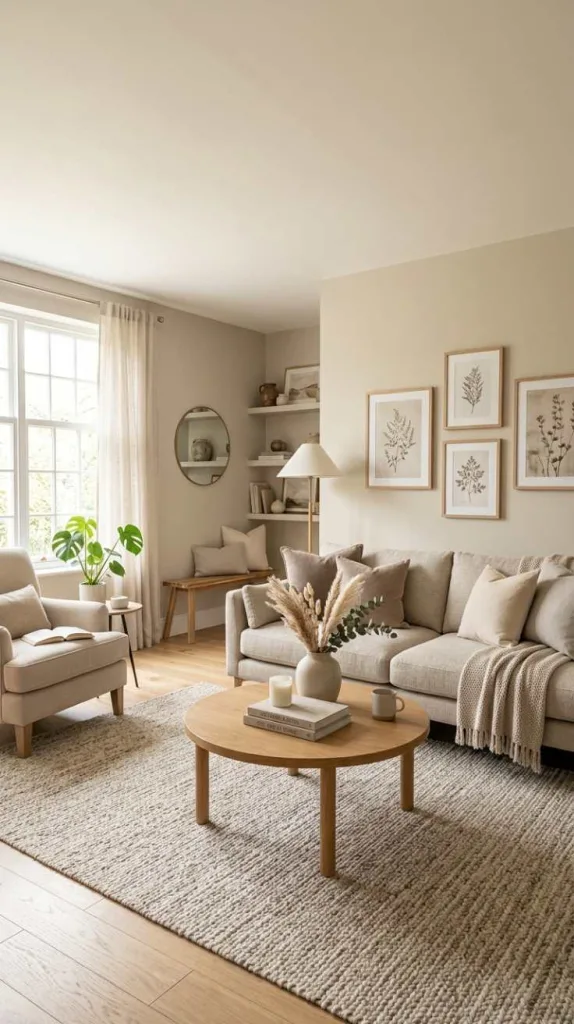
I first tested a soft taupe on my living room wall, not expecting much beyond a “safe neutral,” but it ended up behaving very differently throughout the day. Morning light made it feel airy and almost creamy, while evening light pulled it into a warmer, grounded tone.
That subtle shift kept the room from ever feeling static. What I didn’t expect was how taupe paint colors im obsessed with and how to use them could quietly act like a living backdrop, constantly adjusting the mood without needing any decor changes.
2. Cocoa Taupe Bedroom Atmosphere
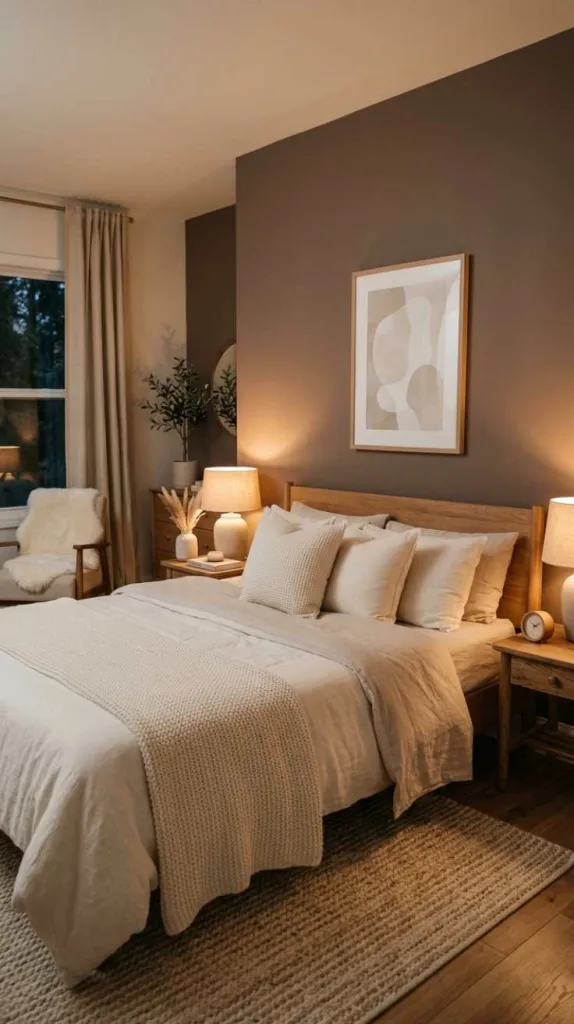
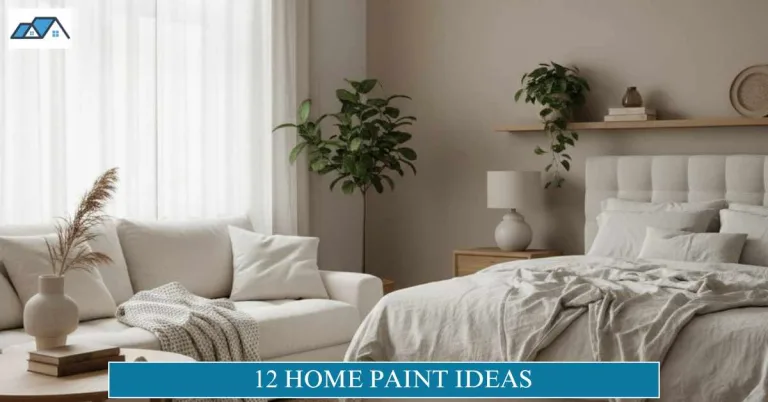
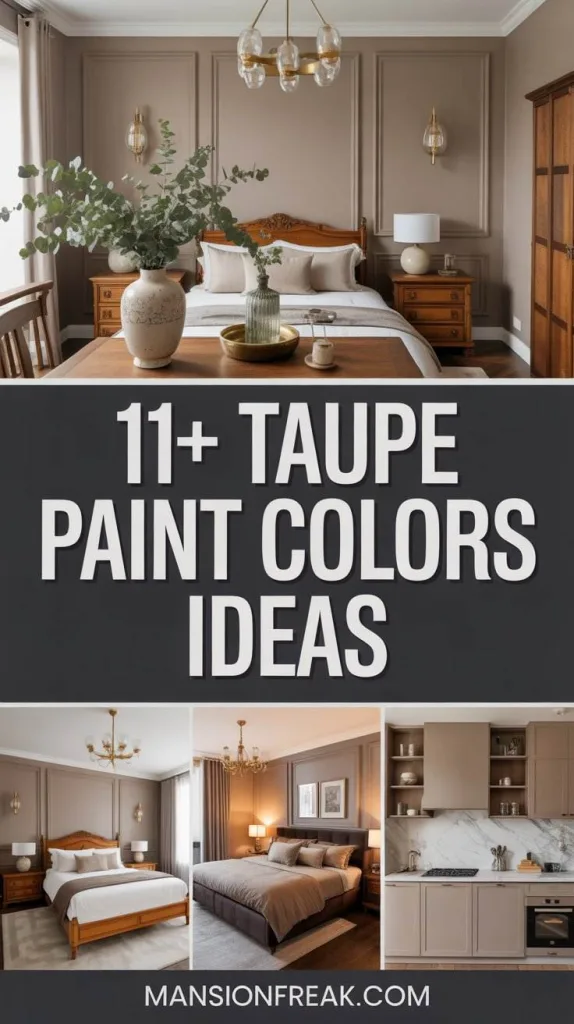
In my bedroom, I chose a cocoa-taupe shade that initially felt slightly too deep, almost like it might close the space in. But after a few nights, I started noticing how it softened under warm lamps and created a very grounded, cocoon-like feeling.
I kept bedding in lighter neutrals and avoided busy prints so the walls could hold the emotional weight of the room. This is just a design choice to something that actually changes how you unwind and reset.
3. Greige Taupe Kitchen Balance

The kitchen got a greige-leaning taupe finish, and at first glance, it felt almost too muted compared to the brighter kitchens I was used to. But once appliances, wood accents, and everyday items came in, everything suddenly looked more unified.
I kept the backsplash simple and uncluttered so the tone could carry the room. That’s when I realized taupe paint colors im obsessed with and how to use them are especially powerful in functional spaces.
4. Deep Taupe Feature Wall Focus

I tried a deeper taupe on a single feature wall, and the first impression was a bit intense—it definitely felt heavier than expected. But once I balanced it with lighter furniture and soft textiles, it completely changed character.
When exploring Wall Papering Ideas Living Room, I started thinking about how texture and pattern could change its impact. It works best when you let one surface take control of depth while the rest of the room stays quiet.
5. Soft Spa Taupe Bathroom Tone
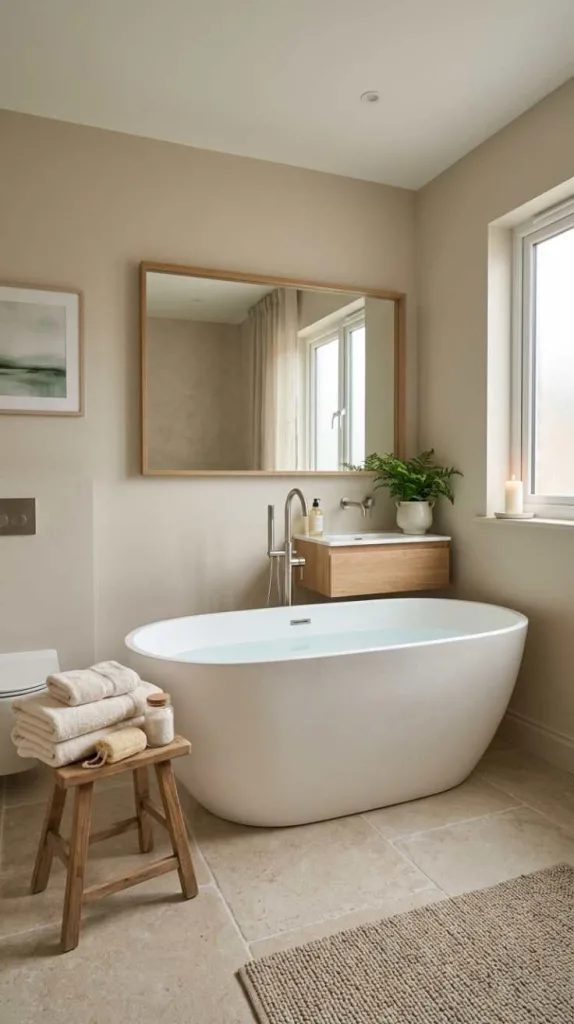
In the bathroom, I used a soft spa-style taupe, expecting it might feel dull in a small, functional space—but it actually did the opposite. Under warm lighting, it leaned slightly creamy and made the entire room feel calmer and more refined. I kept decor minimal so the surfaces could breathe.
Over time, it started to feel less like a bathroom and more like a quiet personal retreat. This is where taupe paint colors im obsessed with and how to use them show their strength in turning practical spaces into something emotionally calming.
6. Taupe and Black Modern Contrast

I paired taupe walls with black accents, unsure if the contrast would feel too sharp or cold, but the combination ended up being surprisingly balanced. The taupe softened the boldness of black, while black gave structure and definition to the softness.
I kept furniture minimal and clean so the contrast could stay intentional instead of chaotic. This is a strong example of taupe paint colors im obsessed with and how to use them because it proves taupe can comfortably support even high-contrast, graphic interior styles.
7. Natural Wood Taupe Harmony

With natural wood furniture, taupe walls didn’t compete at all, they blended into a very organic, grounded palette. At first, I worried everything might feel too monotone, but texture completely changed that impression.
I avoided glossy surfaces so everything stayed warm and cohesive. This is where taupe paint colors im obsessed with and how to use them feel most natural when the goal isn’t contrast, but a seamless connection between materials.
8. Hallway Flow Taupe Transition

I painted my hallway in taupe, and initially it felt like a background decision that wouldn’t matter much. But over time, I realized it actually improved how each room connected visually. Instead of abrupt color changes, there was a smooth, continuous flow from one space to another.
It made the entire home feel more unified without drawing attention to itself. I kept wall decor minimal so the transition effect stayed clean. Incorporating Wall Mirror Ideas Living Room made the space feel brighter and more expansive.
9. Light Taupe Minimal Calm

A very light taupe went into my minimal setup, and at first it almost disappeared against white elements. But that’s exactly what made it work—it softened edges and reduced the harshness of pure white. The room started feeling more breathable and less sterile over time.
I kept furniture simple and avoided heavy decoration so the softness could remain consistent throughout the space. This is a restrained but effective use of taupe paint colors im obsessed with and how to use them, where the goal isn’t impact, but subtle comfort and visual ease.
10. Clay Taupe Cozy Corner

I used a clay-leaning taupe in a corner section, and initially it felt like it might make the area feel smaller. But once I added warm lighting, it completely changed into a cozy, defined nook. It didn’t need extra furniture or styling to feel intentional—the color alone shaped the space.
I kept surrounding walls lighter so the corner naturally stood out without effort. This shows how taupe paint colors im obsessed with and how to use them can be used strategically to carve out zones without physically dividing a room.
11. Blush Taupe Soft Contrast

I paired blush tones with taupe walls, and at first I worried it might lean too soft or overly decorative. But the taupe grounded the blush beautifully, turning it into something more modern and controlled rather than sweet or overly feminine.
I avoided heavy patterns so the balance between tones could stay clear. This is a gentler styling direction for taupe paint colors im obsessed with and how to use them, where subtle contrast creates personality without visual overload.
12. Full Taupe Immersive Finish

I eventually committed to a mostly taupe-based room, and at first it felt like everything might blend together too much. But once lighting, fabric textures, and material variation were introduced, the space became surprisingly rich and layered.
When working on Big Living Room Ideas, I realized this approach also helps larger spaces feel cohesive without losing warmth. A single tone can still feel dynamic when built carefully through light and texture.
Conclusion: Personality
If you’ve been searching for a neutral that actually feels warm, stylish, and flexible, then exploring taupe paint colors I’m obsessed with and how to use them might be exactly what you need. It’s one of those rare colors that quietly transforms a space without demanding attention, yet still makes everything feel more polished.
The real magic of taupe is in its balance—it’s never too much, never too little. So if you’re tired of playing it safe with plain whites or struggling with bold colors, taupe might just be your perfect middle ground. Try a sample, see how it feels in your space, and don’t be surprised if you end up just as obsessed as I am.