10+ Plum Paint Colors to Transform Your Space with Moody Elegance
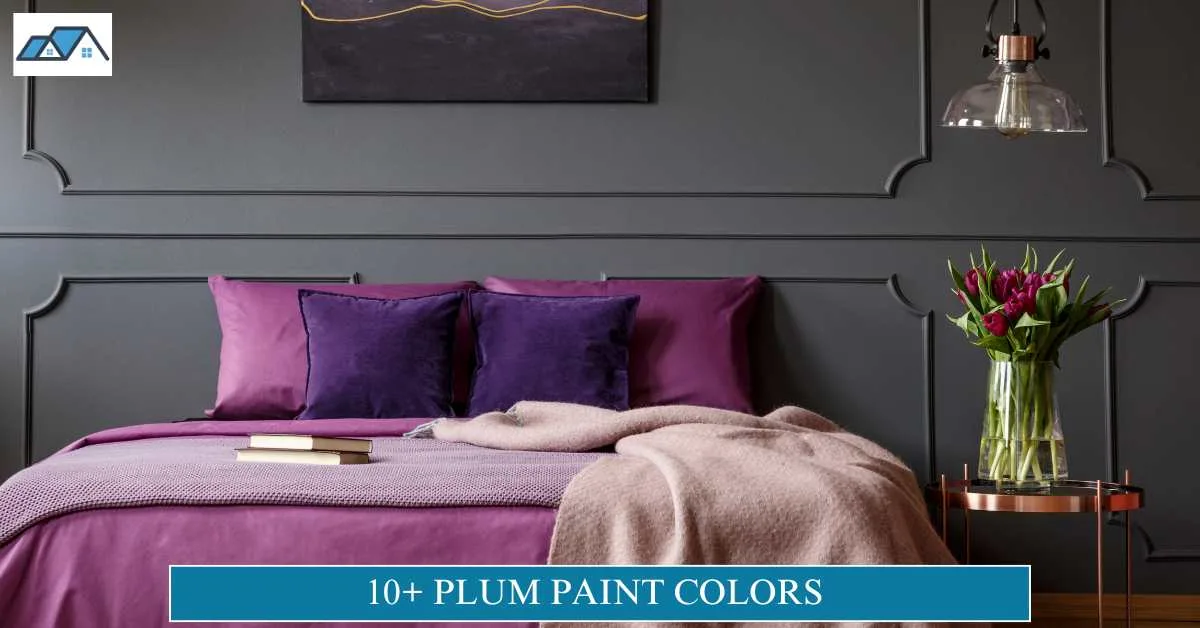
There’s something undeniably captivating about deep, moody interiors. You walk into a room painted in a rich, plum shade and suddenly it feels like the space has a personality of its own—bold, cozy, and a little mysterious. That’s exactly why plum paint colors to transform your space with moody elegance have become such a favorite among modern design lovers.
I’ll be honest—plum wasn’t always on my radar. I used to think it was “too dark” or “too dramatic” for everyday spaces. But the first time I saw it used in a living room with soft lighting and warm textures, I completely changed my mind. It didn’t feel heavy at all. It felt luxurious, intimate, and honestly… kind of addictive.
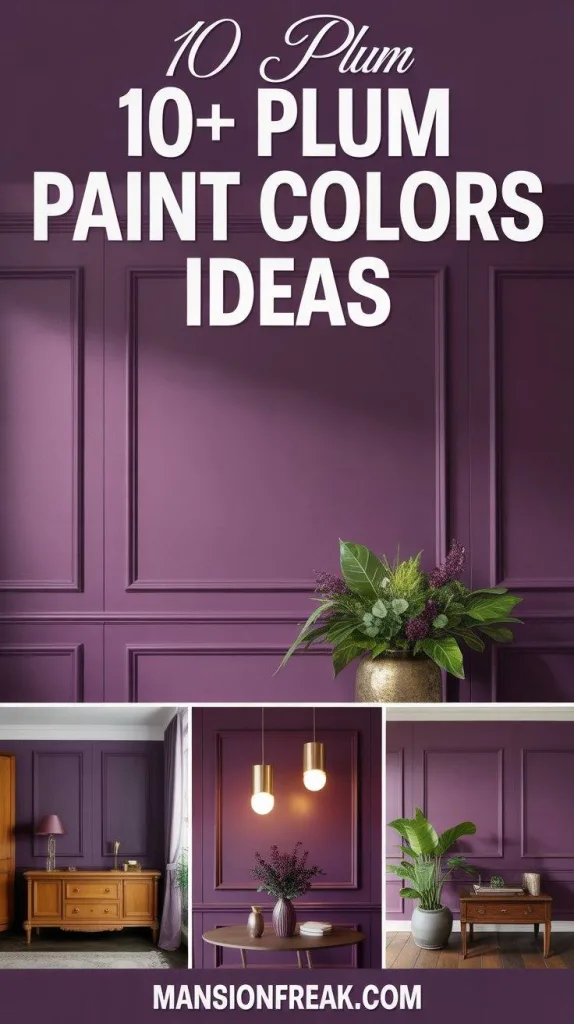
1. Soft Plum Velvet Atmosphere
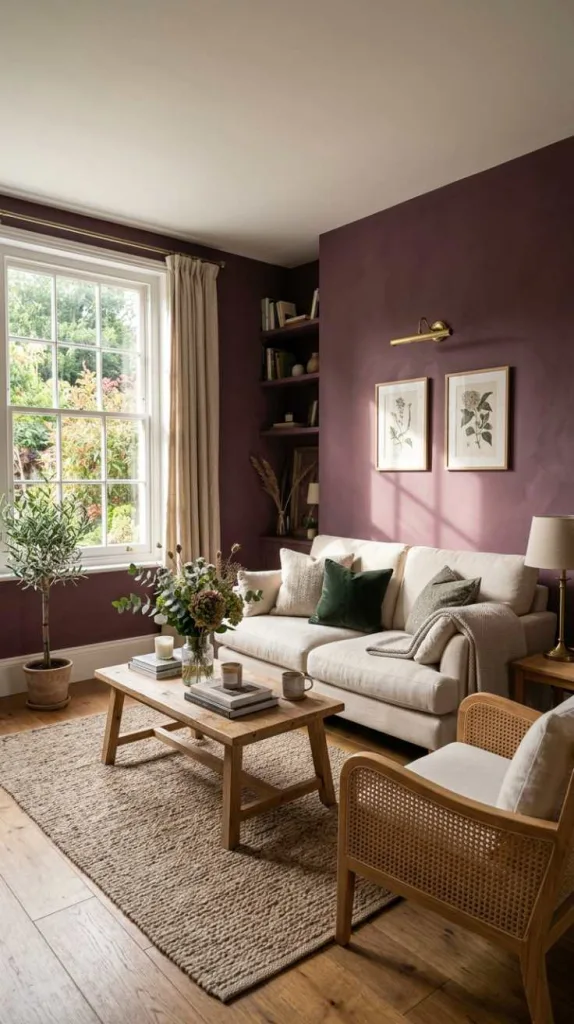
I started with a soft plum velvet-inspired wall tone, and my first reaction was honestly a bit uncertain because it looked much deeper than I expected under artificial light. But when daylight started shifting, the color completely changed the character that felt alive instead of flat.
I kept furniture in lighter neutrals so the walls wouldn’t overpower the space, and that balance made a huge difference. Over time, I realized how plum paint colors don’t just sit on a wall—they respond to light, time of day.
2. Plum Royale Cozy Dining Mood
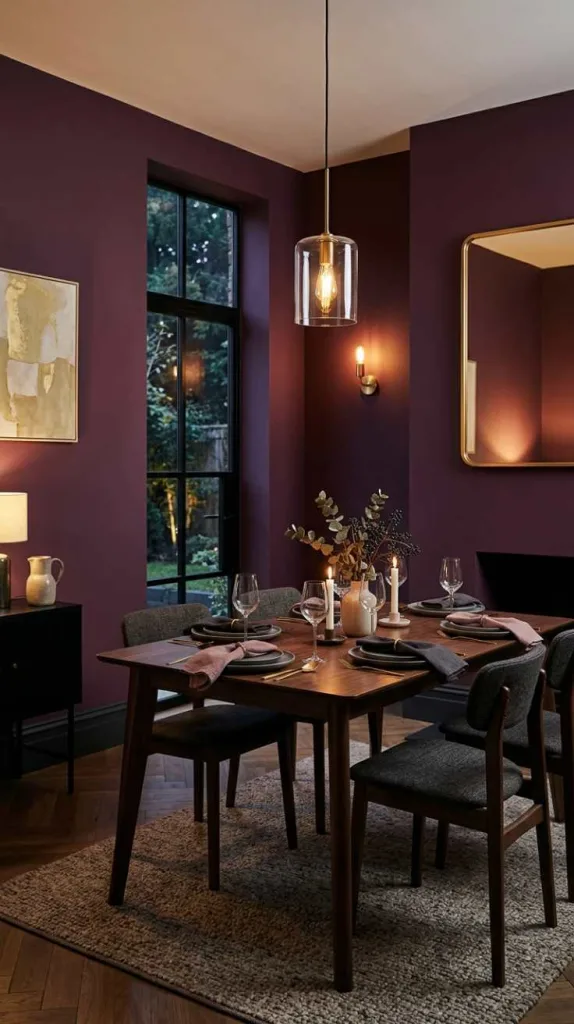
I used a plum royale shade in my dining area, and at first it felt slightly too dramatic for everyday use, almost like it belonged in a styled restaurant rather than a lived-in home. Meals started feeling slower and more intentional in that environment.
I avoided heavy décor so the color could remain the main voice in the room. This is where plum paint colors shift from being just decorative choices into something that actually influences how you experience daily routines.
3. Crisp White Plum Balance Effect

I paired plum walls with crisp white accents, and initially I thought the contrast might feel too sharp or overwhelming. But once everything was in place, the white actually worked like a visual reset that kept the plum from feeling too heavy.
I used white curtains, frames, and subtle décor pieces to break up intensity without losing personality. This combination showed me how plum paint colors can become surprisingly refined when balanced with brightness.
4. Rustic Plum Natural Warmth

I tried a rustic plum tone in a more casual setting, and at first it felt slightly dense and uneven on the walls, especially in low light. But once I introduced natural wood furniture, woven textures, and softer materials, the color completely transformed into something earthy and grounded.
I kept everything matte to avoid reflections that could disrupt the tone. This can lean rustic and organic when paired with natural textures instead of glossy finishes or sharp contrasts.
5. Plum and Gold Subtle Luxury

I combined plum walls with small touches of gold, and I was initially worried it might feel too decorative or even flashy. But by keeping gold accents minimal just in lighting fixtures and thin frames the look turned out far more controlled and elegant than expected.
The balance felt intentional rather than styled. This is where plum paint colors can quietly move into a more refined, upscale direction without needing excessive décor or dramatic styling choices.
6. Sophisticated Plum Quiet Room

I used a deeper, more sophisticated plum in a quiet sitting area, and at first it felt like it might be too intense for everyday relaxation. But after spending time in the room, I noticed it actually helped reduce visual distractions and created a more focused, calm atmosphere.
It didn’t feel loud or decorative—it felt contained and intentional. I avoided busy patterns and kept furniture simple so the color could carry the space. This is where to act more like mood setters than just design decisions.
7. Modern Minimal Plum Space

I tried plum in a modern minimal setup, and initially it felt like a strong choice for such a clean and simple style. But once I removed unnecessary furniture and kept the layout open, the color became the main design element.
The simplicity actually made the plum feel more powerful instead of overwhelming. I kept everything else muted so the wall could stand on its own. This is a clear example of how plum paint colors can elevate minimal spaces when used with restraint.
8. Soft Plum Bedroom Calm Layer

I chose a softer plum for the bedroom, and at first I worried it might feel too dark for a resting space. But under warm, low lighting, it turned into something incredibly cozy and calming. The room felt more intimate, especially in the evenings, almost like it naturally encouraged rest.
I paired it with light bedding and soft textures so it wouldn’t feel enclosed. This is one of those that quietly improves the emotional comfort of a space without needing any extra styling effort.
9. Deep Plum Corner Definition

I painted a small corner in deep plum, and at first it felt like it might visually shrink the area. But once I added a simple chair and warm lighting, it transformed into a clearly defined nook that felt intentional rather than closed in.
It created a sense of structure without any physical separation. I kept surrounding walls lighter so the contrast could work properly. This is a smart use of plum paint colors when you want to create zones within a larger space.
10. Muted Plum Transitional Hallway

I used a muted plum in a hallway, and initially it felt like an unusual choice for a transitional area. But over time, it started improving the flow between rooms by adding subtle continuity. Instead of jumping from one color to another, the spaces felt more connected.
It didn’t demand attention, but it added a quiet personality to a space that is usually ignored. I kept the décor minimal so movement stayed visually smooth. This shows how plum paint colors can enhance even functional pathways in a home.
11. Plum with Soft Neutral Blend
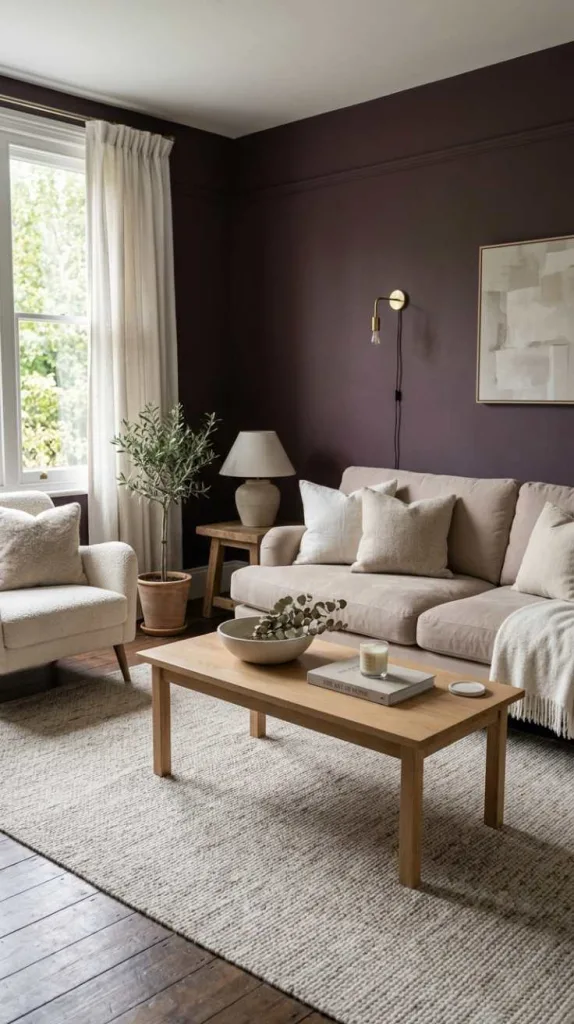
I paired plum walls with soft neutral furniture, and at first I thought the combination might feel too safe or understated. But the neutrals actually allowed the richness of plum to stand out more clearly without overwhelming the room.
The result felt calm, layered, and balanced rather than overly dramatic. I avoided bold patterns so the harmony stayed intact. This is a gentle but effective direction for plum paint colors where balance matters more than contrast.
12. Full Plum Immersive Finish

I eventually committed to a fully plum-dominant room, and at first it felt like it might become too intense or enclosed. But once lighting, fabric textures, and material variations were introduced, the space became rich, immersive, and surprisingly comfortable.
I used different finishes like linen, matte surfaces, and soft lighting to break up the depth. This final approach shows how a single strong tone can still feel layered and livable when supported with the right textures and light.
Conclusion
Plum is one of those colors that completely changes how a space feels—it’s bold without being loud, moody without being cold, and elegant without trying too hard. When used thoughtfully, plum paint colors to transform your space with moody elegance can turn even the simplest room into something rich, inviting, and deeply atmospheric.
The key is balance. Pair it with the right lighting, soften it with neutrals, and let textures do the rest. Once you get it right, plum doesn’t just color a room—it defines it. And honestly, it might just be the upgrade your space didn’t know it needed.