Seniors want to stay in their own homes, not shuffle off to some facility. But independence? It doesn’t happen by magic. You need smart design tweaks that don’t drain your wallet. I’ve seen too many folks blow cash on trendy renovations that look pretty but do zilch for real life. Forget that. Focus on changes that actually work, keep costs low, and let you age on your terms.
Affordable Bathroom Modifications for Aging in Place
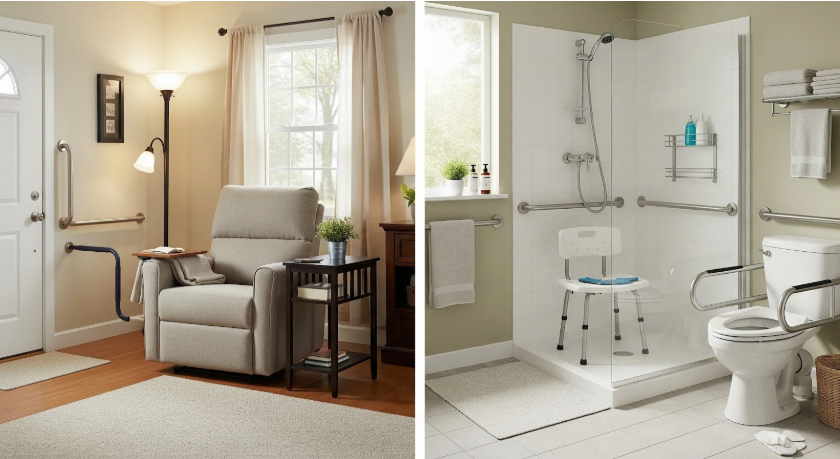
Bathrooms first. They’re accident central for older folks. Slippery floors and high tubs? Recipes for disaster. Swap in a walk-in shower. No step-up nonsense. I remember rigging one for my aunt last year. She was stubborn, and insisted on staying put after her hip scare. We ditched the old tub for a basic walk-in model – cost about $2,000 installed, way less than a full remodel. Add non-slip tiles. Cheap mats won’t cut it; go for textured flooring that grips even when wet. Grab bars? Essential. Mount them near the toilet and shower. Not those flimsy suction ones – screw ’em into studs. Total add-on: under $100 if you DIY. Why bother? Falls send over 3 million seniors to the ER yearly, per CDC stats. Don’t become a number.
Budget-Friendly Kitchen Upgrades
Kitchens next. Reaching for stuff shouldn’t feel like a workout. Lower those cabinets. Or install pull-down shelves – they’re game-changers for about $50 a pop. Countertops at varying heights? Sure, if you cook a lot. But skip the granite upgrade. Laminate works fine and saves hundreds. Lighting matters too. Under-cabinet LEDs banish shadows that hide hazards. I tried skimping on this once for a client. Big mistake. He tripped over a cord in the dim light. Now I always push for motion-sensor lights. They’re $20 each and pay off fast in safety. Pair that with ergonomic utensils – big handles, easy grip. No need for fancy sets; thrift stores have ’em cheap. A financial planner Brisbane can map it out, ensuring you’re not overspending.
Accessible Living Room Designs
Living rooms. Cozy but cluttered equals trouble. Rearrange furniture for clear paths. Wide walkways – at least 36 inches – prevent bumps.
Rugs? Secure ’em with tape or ditch the trippers altogether. Go for low-pile or hardwood. Add lever door handles instead of knobs. Twisting hurts arthritic hands. I swapped mine out after watching my dad struggle. Took an hour, cost peanuts. Seating? Get chairs with arms for easy up-and-down. Reupholster an old one instead of buying new. Saves bucks and feels personal.
Cost-Effective Entryway and Stair Solutions
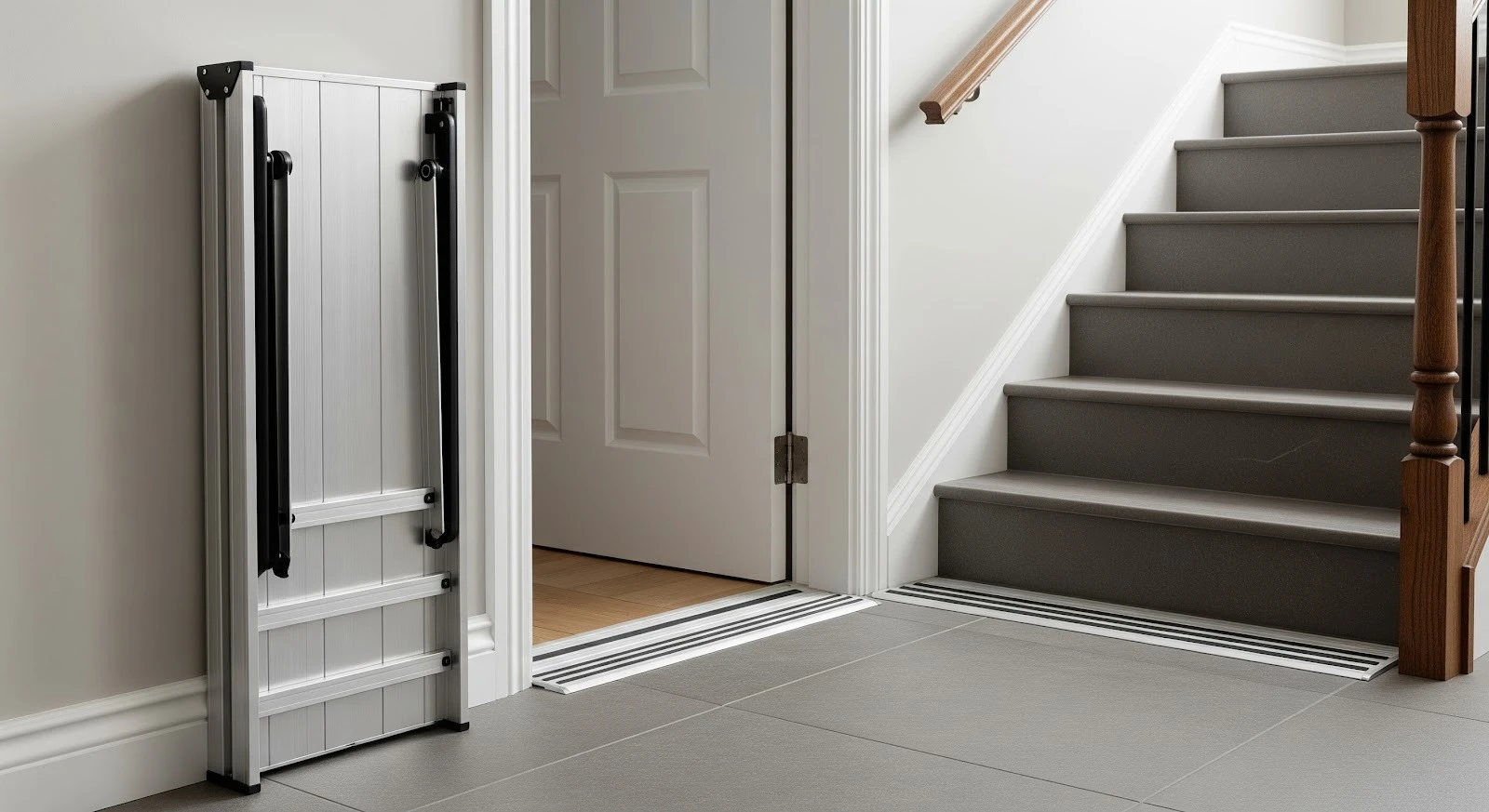
Entrances and stairs. Ramps beat steps any day. A portable aluminum one runs $300, folds away when not needed. Threshold ramps for doorways? Even cheaper. Outdoor lighting on timers keeps paths visible at night. I’ve installed solar versions – no wiring, under $50. Stairs inside? Handrails on both sides. Sturdy ones, not decorative. If stairs are a nightmare, consider a stair lift. But hold up – those can hit $3,000. Weigh if it’s worth it or if single-level living makes more sense.
And for guidance on what changes fit your needs? Tap into aged care help at home services. They assess your space for free or low cost, point out must-haves like better lighting or storage tweaks. I used them for a neighbor once. Turned a ho-hum audit into targeted fixes that kept her independent longer.
Affordable Smart Tech Integration
Tech can help without going overboard. Voice-activated lights or thermostats? Alexa or Google Home setups start at $50. Program ’em for routines – “lights on” beats fumbling switches. But don’t buy every gadget. Smart locks? Useful for keyless entry, around $100. Skip the full smart home if it’s overwhelming. I overloaded a setup once; a client hated it. Keep it simple: one or two devices that solve real problems.
Low-Cost Adaptations
Outdoor spaces count too. If you’ve got a yard, level paths with gravel or pavers. Benches for rests. Raised garden beds mean no kneeling. I built one from scrap wood – free, basically. Keeps gardening doable without back strain.
Storage tweaks keep things accessible. High shelves? Useless. Install lower ones or lazy Susans in cabinets. Baskets on wheels for under-bed stuff. Costs little, reduces bending.
What’s the payoff? More than comfort. Staying independent slashes healthcare costs. One AARP report pegs aging in place at saving up to $5,000 yearly versus assisted living. That’s real money.
Long-Term Strategies for Sustainable Elderly Home Interiors
Think long-term. These changes aren’t one-offs. They evolve with you. Start small – bathroom first, maybe. Test what works. I’ve botched a few in my day, like overdoing lighting and blinding everyone. Learn from that: practical beats perfect.
Budget slipping? Prioritize. Safety over style. Consult pros early. Aged care help at home? They spot needs you miss.
Bottom line? Independence is doable on a dime if you focus. Make those changes now. You’ll thank yourself later. Or not – but hey, that’s on you.