Luxury homes are built around light and views. Floor to ceiling glass. Corner windows. Wide sliders that vanish into walls. These features feel open and impressive. They also create comfort problems that show up later.
Glare can make a room hard to use. Heat can build near the glass by mid-afternoon. Privacy can disappear the moment interior lights turn on. In high-end homes, these issues feel worse. Large windows amplify them.
Good projects solve this without ruining the design. The goal is not to block the view. The goal is to control the conditions around it.
Why Big Glass Creates Big Comfort Swings
Sunlight moves across the home all day. The same room can feel calm at 9 a.m. Then it feels sharp by 3 pm. The change is not always dramatic. It is constant enough to change behaviour.
Owners start moving furniture. Chairs shift away from the brightest edge. Screens get angled to avoid reflection. Curtains stay closed longer than intended. These workarounds make a luxury space feel less usable.
Heat behaves the same way. Glass warms fast. Nearby floors and furniture hold warmth. HVAC reacts, but it reacts late. The room feels “off” even when the thermostat looks fine.
Views Matter, But So Does What Happens Around Them
A view should feel effortless. In reality, it needs support. Without control, views come with trade-offs. A beautiful desert skyline also brings harsh contrast. A perfect sunset also brings silhouette glare across the living space.
The best interiors keep the view as the hero. Control tools should fade into the background. That means clean lines and quiet materials. It also means proper fit and thoughtful mounting.
Glare Control That Still Feels High-End
WBDG notes that good daylight design includes glare control to avoid discomfort and overheating near windows. Glossy floors, polished stone, and large TVs make it worse. Home offices feel it first, but living rooms suffer too.
Luxury glare control works best when it is adjustable. Fixed solutions force a choice. Either full light or no light. That is rarely what people want.
Better options focus on softening. Diffusing materials reduces sharp edges. They keep daylight present while cutting the worst angles. The room stays bright, but calmer.
Layering can help here. A lighter daytime layer handles glare. A heavier layer is saved for peak sun or evening privacy. The room shifts gradually instead of snapping open and closed.
Night-Time Privacy Without Heavy Drapes
Privacy changes at night. Interior lights turn on. Glass turns into a visibility problem. Street-facing rooms can feel exposed. Even hillside homes can feel visible from neighbouring properties.
The common reaction is total shutdown. Curtains close early. The room goes darker than anyone wants. The home loses the soft evening feel that owners enjoy.
Luxury homes need a middle setting. Something that keeps the room usable. Privacy should increase without killing the mood.
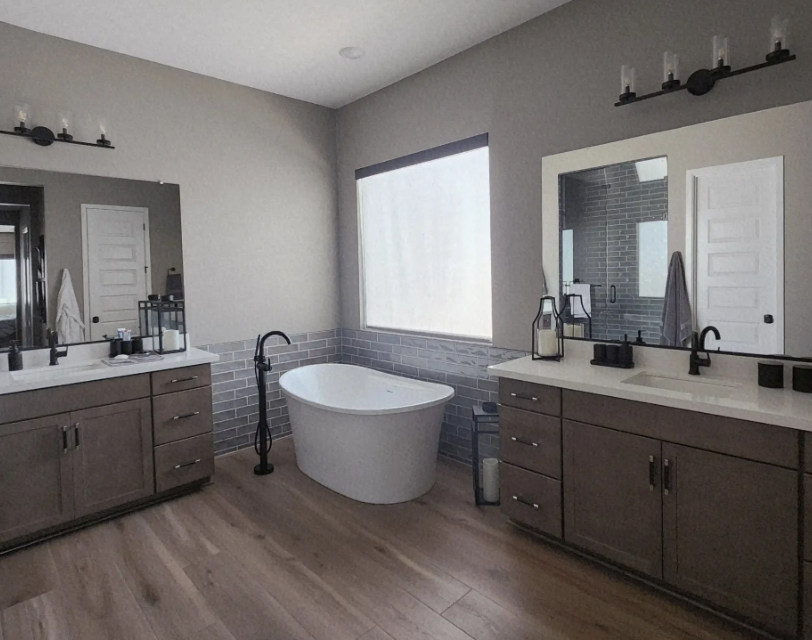
Materials that limit visibility while still passing light can do this well. They keep the space open. They avoid the bunker feeling that heavy fabrics can create. Bedrooms and bathrooms still need stronger coverage, but the main living areas benefit from balance.
Heat Control That Does Not Fight the Architecture
High-exposure homes often have west-facing glass. Afternoon sun hits hard and low. Studies show that ratings such as the Solar Heat Gain Coefficient (SHGC) help describe how much solar heat a window product lets inside.
Interior control helps slow heat buildup. It reduces radiant load near the window. The HVAC system does not need to chase spikes. Rooms stay steadier across the day.
Exterior solutions can also help in some homes. They stop the sun before it hits glass. They can be useful for patios and large sliders. The key is integration, not add-ons. The solution should match the home’s lines and materials.
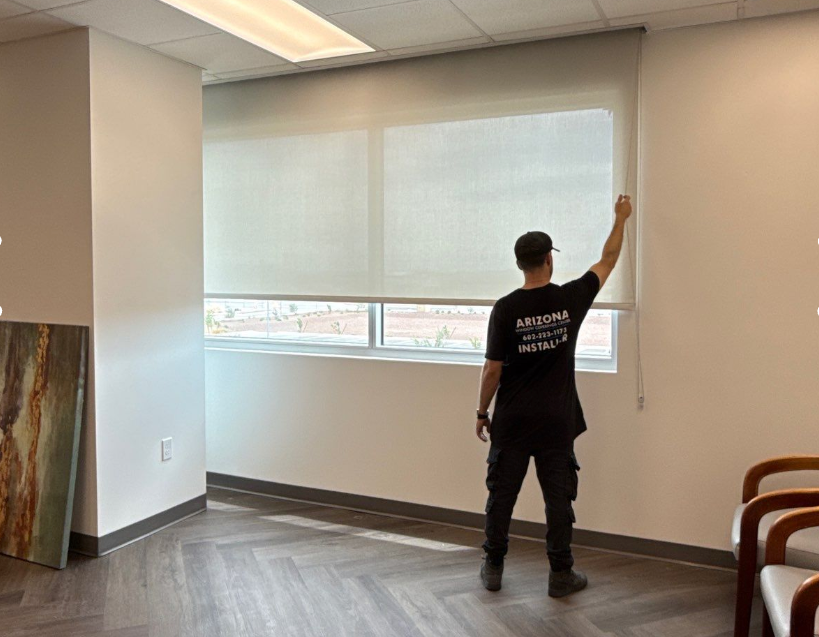
In high-exposure living areas, blinds Scottsdale can reduce glare without killing the view.
Layering Is the Luxury Standard for a Reason
Layering is not a trend in high-end homes. It is a performance tool. It lets one space do multiple jobs.
A typical approach uses two layers. A sheer or light-filtering layer handles daytime. A blackout or privacy layer handles night and peak exposure. The view stays available. Comfort stays stable.
Layering also protects finishes. Direct sunlight can fade fabrics and artwork. It can also warm wood flooring unevenly. Controlled light is gentler on materials. It preserves the look owners paid for.
This is why window planning belongs in the same category as lighting design. It shapes how the interior feels at every hour.
Smart Control That Feels Invisible
Motorised control is popular in luxury homes for a reason. Large windows are hard to manage manually. Tall drapes and high clerestories are not practical without automation.
Smart control also supports daily rhythm. Shades can adjust throughout the day. Privacy can increase at dusk. Glare can drop during peak hours. This can happen without constant manual changes.
The best setups feel quiet. Controls are simple. Movement is smooth. The system does not become a gadget showpiece. It becomes part of the home’s comfort logic.
Fit and Detail Decide If It Looks Custom
Luxury homes expose mistakes. Gaps and uneven edges stand out. Poorly sized treatments look temporary. They also leak light and reduce performance.
Custom fit matters for both appearance and comfort. Proper width reduces side light. Proper height improves visual balance. Clean mounting keeps the line of the window crisp.
Detail choices matter too. Hardware finish should match the interior language. Fabric texture should relate to flooring and upholstery. The goal is cohesion, not decoration.
When window treatments look “built in,” the room feels calmer. The view feels framed. The interior feels resolved.
A Practical Checklist for High-Exposure Rooms
Before choosing anything, the space needs clear goals. Luxury comfort planning is easier when questions are specific.
- Where does glare land at peak hours
- Which rooms feel exposed after dark
- Which windows get the longest sun exposure
- Which spaces need daylight for daily use
- Which rooms need full blackout for sleep
Once these are answered, solutions become clearer. The home stops relying on workarounds. Comfort becomes consistent.
The Best Luxury Result Feels Effortless
A luxury home should not require constant adjustment. When views are supported properly, rooms stay usable longer. Glare is reduced without losing daylight. Privacy increases at night without shutting the home down.
The best outcome feels invisible. The architecture stays in charge. Daily life feels easier. Comfort stays steady, even in high exposure conditions.