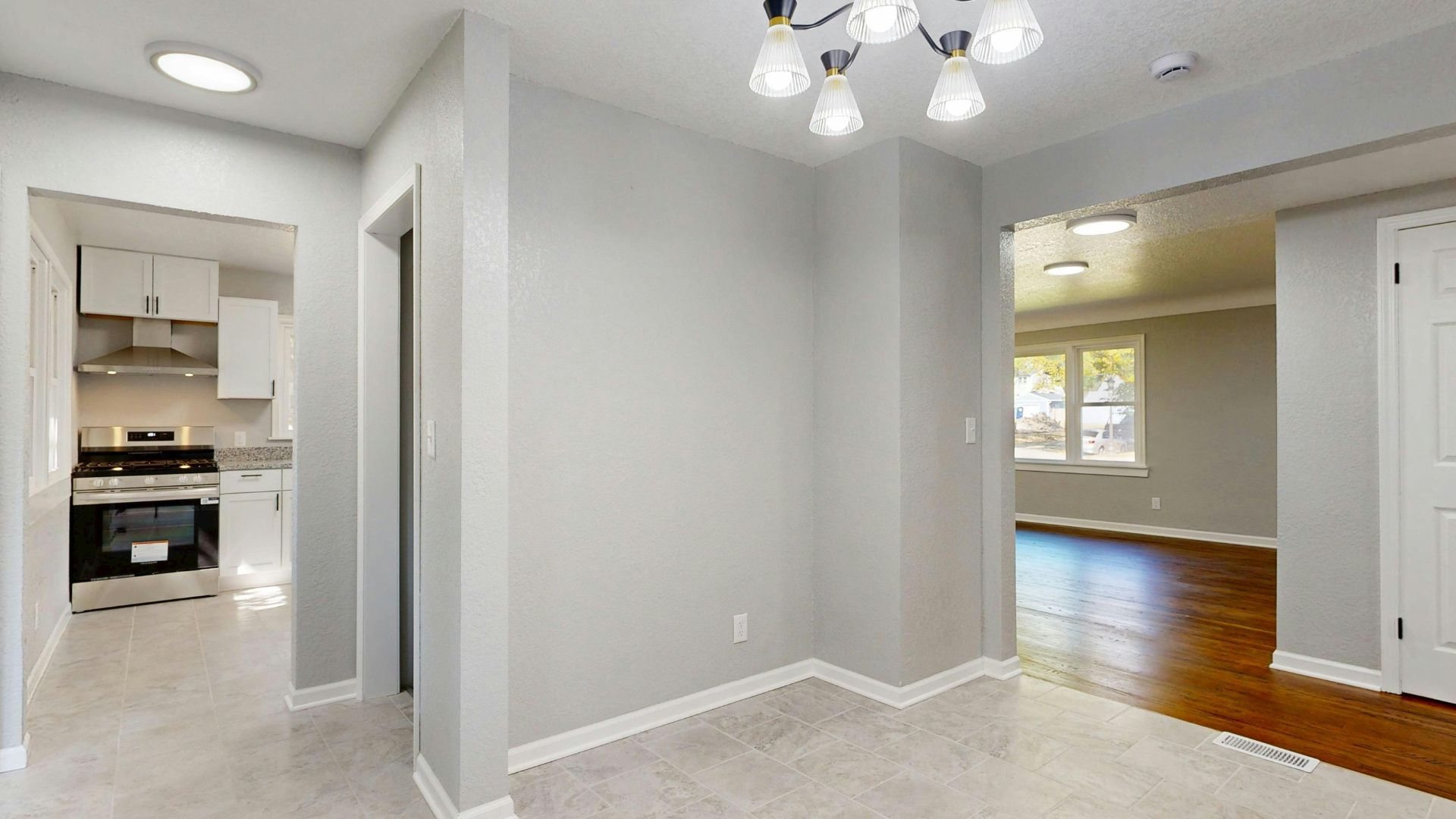
Luxury homes are judged in seconds — both online and in person. Whether you’re renovating to live, stage, or sell, the right planning process saves money, prevents rework, and creates a space buyers instantly connect with.
This guide walks you through a practical renovation and staging checklist — written for homeowners, real estate investors, and design-conscious sellers.
Step 1: Define the Purpose of the Renovation
Before picking tiles or paint colors, clarify the goal:
- Are you renovating to sell within 6–12 months?
- Is this a long-term personal residence?
- Are you upgrading to reposition the property in a higher price tier?
- Are you modernizing outdated interiors for listing photos?
Your goal determines how bold or neutral your decisions should be.
Step 2: Plan Layout & Flow First (Before Finishes)
Floor plan flow impacts value more than decor.
Ask yourself:
- Does the kitchen connect naturally to the living space?
- Is furniture placement obvious?
- Are there dark or awkward corners?
If you’re removing walls or adjusting layouts, visualize the result before construction begins. This is where tools like 3d interior rendering become especially helpful. Seeing the exact lighting, materials, and spatial proportions in advance reduces costly change orders, speeds contractor approvals, and prevents mismatched finishes later.
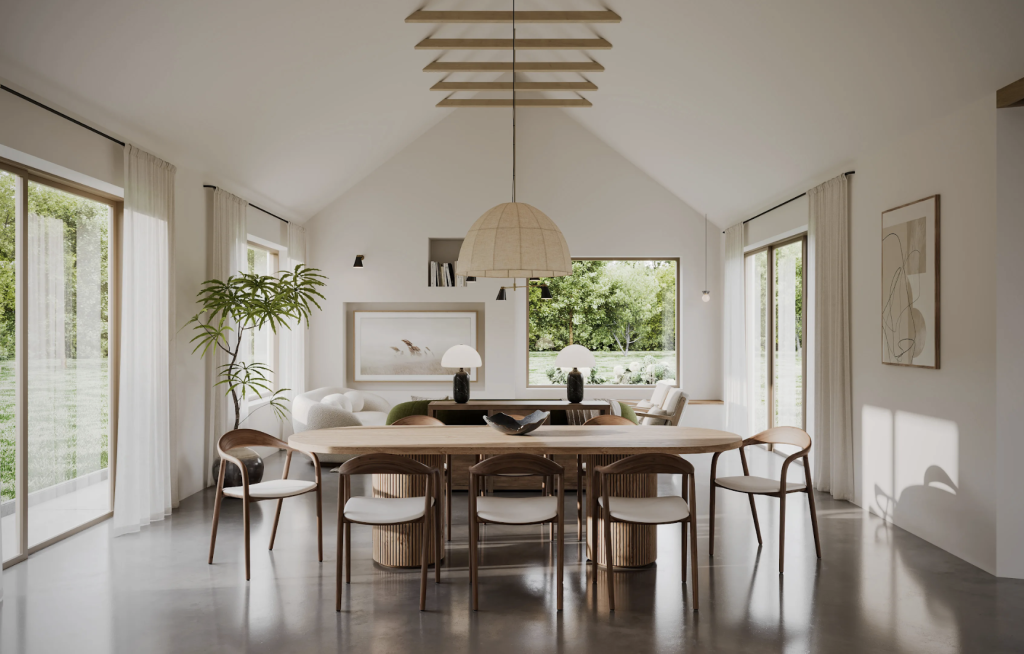
Mini Example: Before vs. After Decision
Before:
A homeowner planned dark walnut floors, charcoal walls, and brass lighting — all individually beautiful choices.
After visual review:
The combined effect made the 2,800 sq ft living room feel smaller and heavier. By switching to lighter oak flooring and warmer neutral walls, the space felt 20% brighter and photographed significantly better for listing photos.
Small visual adjustments before construction can prevent expensive corrections later.
Step 3: Material & Finish Coordination Checklist
Luxury design feels effortless when materials are coordinated. Use this quick checklist:
✔ Material Planning Checklist
- ☐ Flooring tone complements cabinetry
- ☐ Countertop pattern doesn’t compete with backsplash
- ☐ Hardware finishes are consistent (max 2 metals)
- ☐ Wall paint tested in natural & artificial light
- ☐ Ceiling color considered (not automatically white)
- ☐ Window treatments aligned with staging strategy
- ☐ Lighting temperature consistent (2700K–3000K for warmth)
Avoid mixing trends unless you’re confident in the layering.
Step 4: Lighting Is a Value Multiplier
Lighting decisions impact both daily comfort and listing photos.
Consider:
- Layered lighting (ambient + task + accent)
- Dimmable controls
- Highlighting architectural features
- Avoiding harsh overhead-only fixtures
Well-lit homes photograph better and feel larger — a major advantage in luxury markets.
Step 5: Renovate With Staging in Mind
Even if you’re living in the home, think ahead to presentation.
Luxury buyers look for:
- Visual balance
- Clean sightlines
- Defined conversation areas
- Neutral but warm color palettes
Staging-conscious renovations help the home transition seamlessly to market.
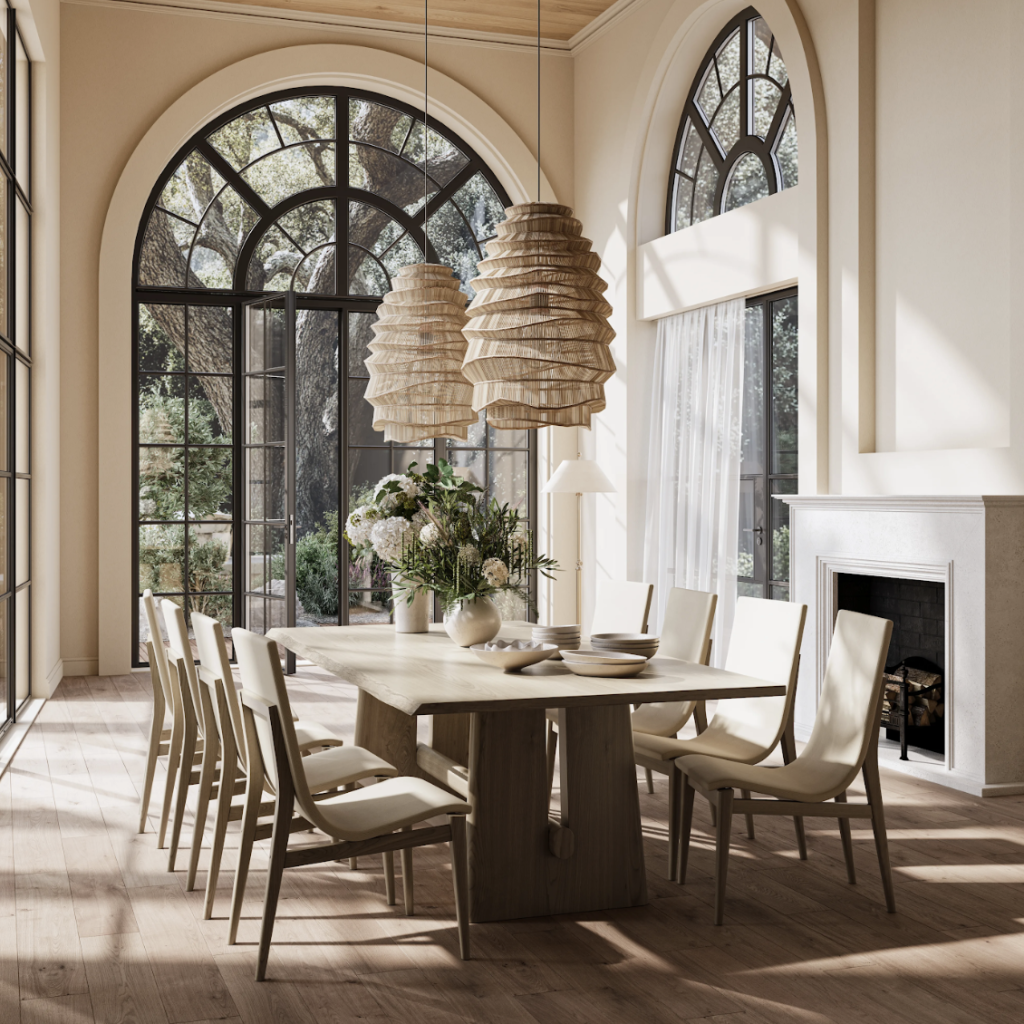
Step 6: Pre-Listing Presentation Strategy
If the property will hit the market:
- Prioritize high-impact rooms (kitchen, primary suite, living area)
- Repair visible wear (baseboards, grout, hardware)
- Deep clean + declutter before photography
- Ensure consistent styling in every visible room
- Review listing photos critically — zoom in
Presentation drives perceived value.
Common Renovation Mistakes to Avoid
- Designing room-by-room without overall vision
- Ignoring lighting temperature differences
- Over-customizing for resale
- Choosing materials separately instead of as a system
- Making emotional decisions under contractor pressure
Luxury renovation success comes from planning — not reacting.
FAQs
1. How detailed should renovation planning be before construction?
The more detailed, the better. Layout, materials, lighting, and furniture scale should be decided before demolition begins to avoid change orders.
2. Is design visualization only for large luxury homes?
No. Even mid-range properties benefit from pre-visualization because it prevents mismatched finishes and layout mistakes.
3. Should I renovate differently if I plan to sell?
Yes. Focus on broad appeal, neutral palettes, durable materials, and lighting that enhances listing photos.
4. How many finishes are too many in one room?
In most luxury interiors, limit dominant materials to 3–4 to maintain cohesion.
5. What renovation upgrades typically bring the best return?
Kitchen updates, improved lighting, refreshed flooring, and bathroom modernization usually provide strong visual ROI.