Table of Contents
- Assessing Your Current Bathroom
- Setting a Realistic Budget
- Choosing the Right Materials
- Optimizing Layout and Functionality
- Incorporating Energy-Efficient Fixtures
- Enhancing Lighting and Ventilation
- Adding Personal Touches
- Conclusion
Revamping your bathroom can be one of the most rewarding home upgrades, dramatically increasing both your comfort and your property’s value. Whether you’re planning a few subtle updates or a complete transformation, following expert best practices from the outset will help make your project a success. If you are seeking ideas or professionals for a Tucson bath remodel, aligning your plan with proven strategies can ensure the result meets your needs and enhances your home’s appeal. Modernizing a bathroom is about more than simply replacing worn-out fixtures. It’s a chance to create a fresh and functional space while incorporating your personal style. Thoughtful planning and careful selection of materials, layouts, and energy-efficient features can make a significant difference in both your daily routine and your home’s energy bills. An inviting, up-to-date bathroom sets a positive tone for the rest of your home.
Renovating this key room also offers an opportunity to address common issues, such as poor lighting, lack of storage, or outdated fixtures that don’t reflect your tastes. Improvements can be phased or tackled all at once, depending on your budget and timing, making it practical for nearly any homeowner. Simple swaps like new mirrors, lighting, or tiling can transform the space with less effort than a full-scale remodel. By following these best practices and keeping an eye on both style and utility, your bathroom renovation will not only look fantastic but also improve your home’s overall function and resale value. This guide walks you through every step, from initial assessment to adding those final personal touches to make your bathroom uniquely yours.
Assessing Your Current Bathroom
Begin by taking a close look at your existing bathroom to identify what works and what feels outdated or inefficient. Pay special attention to basic fixtures, storage solutions, and overall design. Items like old shower curtains or standard-issue mirrors can make the space look tired and uninspired. Updating these features with modern equivalents can be a cost-effective way to breathe new life into the room. Refer to advice from seasoned designers, who often recommend starting with small, visible changes for maximum impact. While assessing, check for hidden issues such as water damage or mold, especially around plumbing fixtures. Catching and addressing these problems early prevents costly repairs down the road and ensures your remodel stands the test of time. Consider which elements of your current layout feel cramped or awkward and what would make the space more functional and pleasant for daily use.
Setting a Realistic Budget
Once you have a clear sense of needed upgrades, it’s time to plan your budget. Bathroom renovations range widely in price, from minor facelifts at a few thousand dollars to extensive remodels that can exceed $30,000. Prioritize spending on must-have updates, such as new flooring or replacing a dated vanity, then set aside funds for wish-list improvements if your budget allows. Careful planning now helps you avoid overspending and unexpected shortfalls. Build in a buffer of at least 10 percent of your total project cost to account for surprises, such as plumbing adjustments or structural fixes discovered after demolition begins. Stay flexible through the process and remember that even small updates can make a big visual and functional difference.
Choosing the Right Materials
Material choices directly affect how your bathroom looks and how well it withstands everyday use. Favor durable, moisture-resistant options. For example, quartz countertops have gained popularity for their resilience and ease of maintenance compared to granite, which requires regular sealing. On floors and walls, opt for larger tiles that minimize grout lines to give the space a clean, expansive look while reducing maintenance. Leading designers highly recommend oversized tiles for the modern effect and practical upkeep they provide. When choosing cabinetry, select finishes and hardware that coordinate with your overall vision for the space, from classic to contemporary. Materials should withstand humidity and frequent cleaning without deteriorating. Think about water-resistant laminates, porcelain, or natural stone for long-term durability.
Optimizing Layout and Functionality
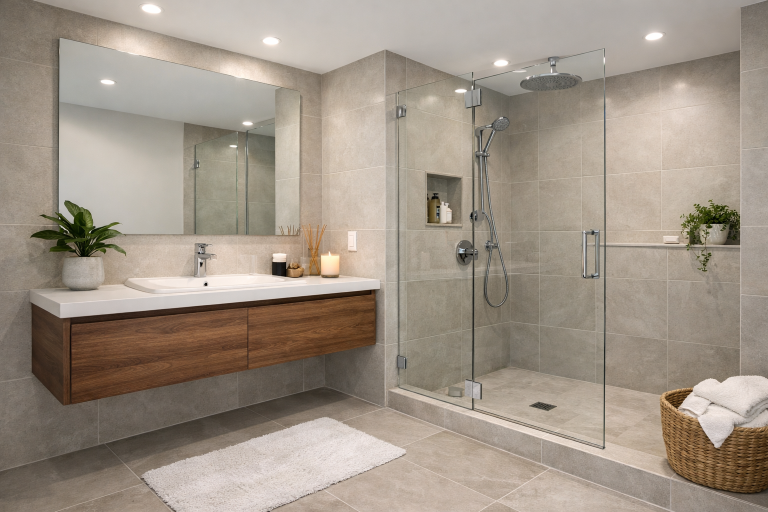
A well-organized layout is essential for a bathroom that feels comfortable and efficient. Consider whether current fixtures crowd the room or impede traffic flow. Optimizing the space might involve installing a wall-mounted vanity to create a sense of openness and make cleaning floors easier. Built-in storage or open shelving can help keep surfaces clutter-free and highly functional. Make sure there is sufficient lighting at the vanity and near the shower or bathtub for both practicality and ambiance. Functionality should always be balanced with design. Customizing drawer size, integrating hidden outlets, or choosing a compact toilet model can elevate routine usability without sacrificing style.
Incorporating Energy-Efficient Fixtures
Modernize your bathroom with energy-efficient features that save money and reduce environmental impact. Upgrades like low-flow toilets, water-saving faucets, and LED lights are relatively straightforward to install and may qualify for rebates from local utilities. These choices not only lower your monthly bills but also support a more sustainable home overall. Investing in smart exhaust fans with humidity sensors further boosts efficiency and extends the life of your finishes.
Enhancing Lighting and Ventilation
A bright, fresh bathroom is welcoming and easier to maintain in top condition. Plan for a combination of lighting types: task lighting at the mirror, recessed ceiling lights for general illumination, and perhaps a statement fixture overhead for style. Good ventilation matters as much. It prevents moisture buildup, which can lead to long-term damage and unhealthy mold growth. Consider both a quality exhaust fan and window options for fresh air circulation.
Adding Personal Touches
Rounding out your bath remodel with personal flair is what makes the space truly feel like your own. Display art, use decorative mirrors, or select boldly colored hardware to add personality. Plants, aromatic candles, or a unique towel rack can create a spa-like ambiance. By layering in these special elements, you ensure your bathroom is not only practical but also a haven tailored to your tastes.
Conclusion
Careful planning and attention to detail are the foundation of a successful bathroom renovation. By starting with a thoughtful assessment, setting and sticking to your budget, choosing the right materials, optimizing layout, and incorporating efficient and stylish features, your revamped bathroom will be both beautiful and functional. Even simple updates can yield impressive benefits, making your bathroom a space you enjoy for years to come.