Maintaining a home’s electrical system is crucial for safety and daily convenience. Faulty outlets, flickering lights, or sudden power surges can disrupt routines and create hazards. Understanding basic electrical repairs and troubleshooting allows homeowners to respond quickly and prevent small issues from escalating.
Modern homes depend heavily on electricity, making even minor problems inconvenient. Recognizing warning signs, performing regular maintenance, and seeking professional help when needed helps prevent costly damage and keep your household running safely and efficiently.
Common Electrical Problems in Homes
Electrical issues can arise from a variety of causes, including aging systems, overloaded circuits, and wear on components. Frequent tripped breakers or flickering lights are often the first indicators that something requires attention. These problems, while seemingly minor, may signal deeper issues within your home’s wiring or panel.
Worn-out outlets, faulty switches, and loose connections are common sources of electrical trouble. These problems can lead to inconsistent power, sparking, or even fire hazards if not addressed promptly. Regular inspections help identify these issues before they escalate into more serious risks.
Understanding the typical electrical problems that occur in homes allows homeowners to communicate effectively with professionals. By observing symptoms and documenting irregularities, you can assist a technician in diagnosing and resolving issues efficiently, saving time and money.
Diagnosing Power Outages and Fluctuations
Power outages or sudden voltage fluctuations are often more than simple inconveniences. They can stem from issues in the main service panel, circuit breakers, or external supply problems. Identifying the cause requires systematic troubleshooting, starting with checking circuit breakers and fuses for tripped or damaged components.
Appliances and electronic devices may show signs of voltage irregularities. Dim lights, humming sounds, or malfunctioning equipment can indicate problems in the wiring or connections. Careful observation helps pinpoint the affected areas and determine whether professional intervention is necessary.
Documenting patterns of outages or fluctuations can aid a professional in diagnosing the problem accurately. Frequent or severe variations in power may necessitate an upgrade to the electrical system, ensuring that your home can handle modern energy demands safely.
Professional Electrical Services for Homes
Some minor electrical repairs can be managed by knowledgeable homeowners, but many situations demand professional expertise. For residents needing prompt and reliable service, a Houston electrician can address a wide range of electrical repairs and troubleshooting needs. Certified electricians bring experience, tools, and safety knowledge that protect property and occupants.
Hiring a professional ensures accurate diagnosis, proper repair, and compliance with building codes. This approach prevents recurring problems and minimizes the risk of damage or injury. Consulting a skilled technician helps maintain a safe and efficient electrical system.
Professional services include preventative solutions, system assessments, and upgrades. They help identify potential issues before they escalate, saving time and money. Expert intervention keeps your home’s electrical network fully operational and secure.
Troubleshooting Circuit Breaker Issues
Circuit breakers protect your home from overloads and short circuits, but they can fail or trip frequently due to various reasons. Overloaded circuits, faulty wiring, or aging breakers are common causes. Understanding how your breakers function helps in identifying the underlying problem.
Resetting a breaker may temporarily restore power, but recurring trips signal a deeper issue. Evaluating the load on each circuit and redistributing electrical demand can prevent frequent interruptions. Persistent problems often require professional assessment to replace or repair the breaker safely.
Routine inspection and maintenance of the breaker panel helps prolong its life and reduce hazards. A certified technician can evaluate the system’s capacity, ensuring it meets the electrical requirements of your home while protecting your family and appliances.
Addressing Outlet and Switch Malfunctions
Outlets and switches are among the most frequently used components in a home, making them prone to wear. Common problems include loose connections, scorching marks, or intermittent operation. Identifying the affected outlets or switches is the first step in effectively troubleshooting the issue.
Replacing a faulty outlet or switch is usually straightforward but requires careful attention to wiring and grounding. Using the right tools and following proper safety procedures helps reduce the risk of shock or damage. Homeowners should avoid temporary fixes that could compromise safety.
Regular inspections help prevent potential hazards, including fire risks. Signs such as discoloration, sparking, or unusual heat indicate the need for immediate action. Timely repairs and replacements maintain a safe and functional home electrical system.
Wiring and Connection Problems
Faulty wiring is one of the most serious electrical concerns in homes. It can result from aging insulation, rodent damage, or improper installation. Symptoms often include flickering lights, burning smells, or intermittent power loss.
Addressing wiring issues requires a careful approach, as incorrect repairs can worsen the problem. Identifying the affected circuits and tracing wires to their source is important before performing any fixes. Professional evaluation ensures compliance with local codes and safety standards.
Upgrading or replacing damaged wiring resolves current problems and improves system efficiency. Homes with outdated wiring may benefit from a complete assessment, preventing future hazards and supporting modern electrical needs.
Handling Appliance and Device Electrical Issues
Electrical problems with appliances and devices often mimic broader system failures. Malfunctions can stem from internal faults, damaged cords, or incorrect voltage supply. Identifying whether the issue is with the appliance or home wiring is crucial.
Testing appliances on multiple outlets can determine if a circuit is the source of the problem. For complex or high-power devices, professional intervention may be necessary to avoid shock or further damage. Maintaining appliances according to manufacturer guidelines reduces the risk of electrical faults.
Documenting appliance-specific issues helps technicians diagnose the root cause efficiently. Prompt attention prevents minor malfunctions from escalating, extending the lifespan of electronics, and protecting your home from potential hazards.
Power Surge Prevention and Protection
Power surges can damage sensitive electronics and appliances, often occurring due to lightning strikes or utility fluctuations. Installing surge protectors at critical points in your home helps mitigate these risks.
Whole-home surge protection provides a higher level of safety by preventing excessive voltage from entering the electrical system. Individual surge protectors offer targeted defense for computers, televisions, and other electronics prone to damage.
Regularly inspecting and replacing surge protection devices ensures continuous performance. Professionals can recommend and install the appropriate protection to safeguard your home’s electrical network.
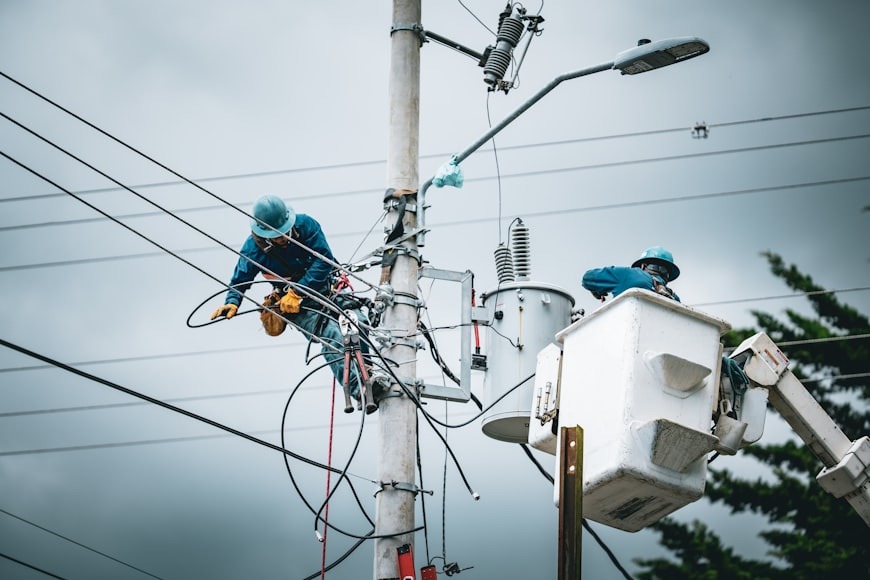
Electrical issues at home can vary from flickering lights and faulty outlets to more serious wiring problems. Identifying warning signs early, performing regular maintenance, and using safe troubleshooting practices help prevent hazards and expensive repairs.
Balancing homeowner vigilance with professional support keeps your electrical system reliable and safe. Addressing minor and major issues promptly ensures smooth operation and long-term protection for your home.