A thriving garden requires consistent attention throughout the year. The care your garden needs shifts with the seasons, from preparing soil in the spring to protecting delicate plants in the winter.
A well-planned routine guarantees that your garden flourishes, and each season presents a unique opportunity to improve your garden’s health. Keep reading to explore six key priorities to focus on for every season so that your garden remains vibrant and thriving year-round.
Maintaining Your Garden Year-Round
Garden care is a continuous process that changes with the seasons. Each time of year presents different tasks and challenges, but having a consistent routine is what keeps your garden in top condition throughout the year. Once you adjust your approach for spring, summer, fall, and winter, you know that your garden will stay healthy and vibrant no matter the weather.
Use of the right tools for each season. Tools like Worx cordless snow blowers offer versatile, year-round performance. This lightweight, battery-powered tool makes the job easier and more efficient. Keep tools in good condition, as regular maintenance will help you get the most out of your investment.
Awakening Your Garden with Spring Care
Spring is a time of renewal, and your garden should be treated as such. As the days grow longer and the temperature rises, it’s the perfect time to prepare your garden for the season ahead. Clear away any debris from the winter months, which can harbor pests or diseases. Check the soil for compaction and aerate it to allow for better root growth.
Trim back any dead or damaged branches from shrubs and trees. This encourages healthy growth and prepares the plants for the increased activity they’ll experience in warmer months. Fertilizing your garden early in the season provides the nutrients plants need to start growing strong. Choosing the right fertilizer can use organic options or slow-release varieties.
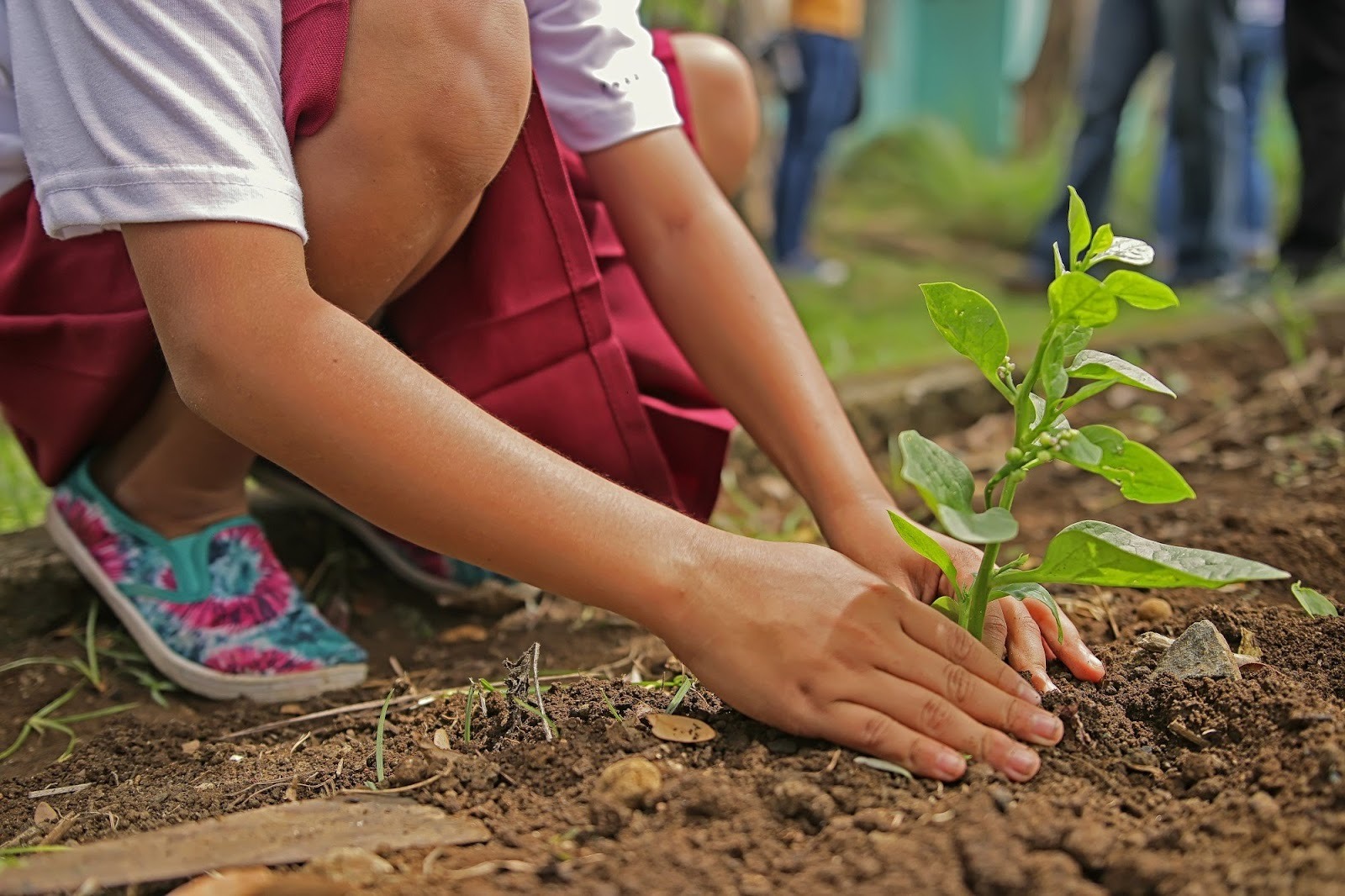
Spring is the time to plan your garden beds. If you’re planting new flowers or vegetables, map out their placement according to their sunlight and water needs. Starting with healthy soil and a clear plan for a productive growing season.
Thriving Under the Sun with Summer Care
Once summer arrives, your garden enters its most active phase. With the warmer weather, plants begin to flourish, but they require more attention to keep them thriving. Your plants need to get enough moisture during periods of heat. Water early in the morning or late in the evening to prevent evaporation and provide the most efficient hydration.
Weeds can quickly take over your garden and compete with your plants for nutrients and water. Regular weeding keeps your garden neat and healthy. Mulching keeps weeds at bay and retains moisture in the soil, so add a layer of organic mulch around plants to reduce the need for frequent watering.
During the summer, your garden may face an increase in pests. Keep an eye out for common garden insects and take preventive action with natural solutions or eco-friendly pesticides. Maintaining plant health throughout the season requires regular inspection for signs of disease or pest infestations.
Preparing for Winter with Fall Care
As the weather begins to cool in fall, it’s time to transition your garden into a more dormant phase. Here’s how you can get started:
- Clean up fallen leaves and debris, which can shelter pests and disease.
- Use a cordless snow blower to clear large areas efficiently.
- Add a layer of mulch to protect the soil and prevent frost damage.
Fall is a good time to plant certain perennial flowers, shrubs, and trees, as they’ll have time to establish roots before winter sets in. If you’ve been thinking about new additions to your garden, this is the best time to plan and execute.
Prepare your garden tools for winter storage. Clean, sharpen, and oil your tools to prevent rust and damage over the winter months. Proper storage extends the life of your tools so that they’re ready for use when the spring season arrives.
Protecting Your Garden with Winter Care
For gardeners, the main priority during winter is protecting plants from the harsh elements. If you live in a region where snowfall is common, consider adding burlap or frost blankets over your shrubs or tender plants to shield them from frost damage.
Winter is the time to focus on lawn care. Growth may slow down, but lawns still need attention. Avoid heavy foot traffic on the grass, which can compact the soil and damage the turf. If you’re in an area with little snowfall, water your lawn to keep the roots from drying out completely.
Garden tools should be stored in a dry, temperature-controlled space to avoid rust and other damage. If you have any sensitive equipment, it should be stored properly and maintained for future use.
Planning Your Garden for Long-Term Success
Effective garden care is about creating a sustainable, thriving space for the future. Long-term success in gardening requires thoughtful planning, from soil health to plant selection and maintenance strategies. Choose plants that are well-suited to your local climate and soil conditions. Native plants tend to thrive with less maintenance and are more resilient to pests and diseases.
When planning your garden layout, think about the future growth of your plants. Give each one enough space to spread out so that they’re placed according to their light, water, and soil preferences. This foresight will prevent overcrowding and reduce the need for frequent interventions.
Soil can lose essential nutrients, so periodically amend it with compost, organic matter, or fertilizers. Soil testing can provide valuable insights into its pH levels and nutrient composition, guiding you to make the right amendments for optimal plant health. Incorporating these long-term strategies into your garden routine creates a self-sustaining ecosystem that thrives year after year with minimal effort.

With the right tools and a bit of seasonal know-how, your garden will remain a beautiful, productive space all year. Whether it’s maintaining your lawn in the summer or preparing for winter’s chill, each season offers a new opportunity to improve and care for your garden. Follow these tips, and you’ll be well on your way to becoming a gardening expert.