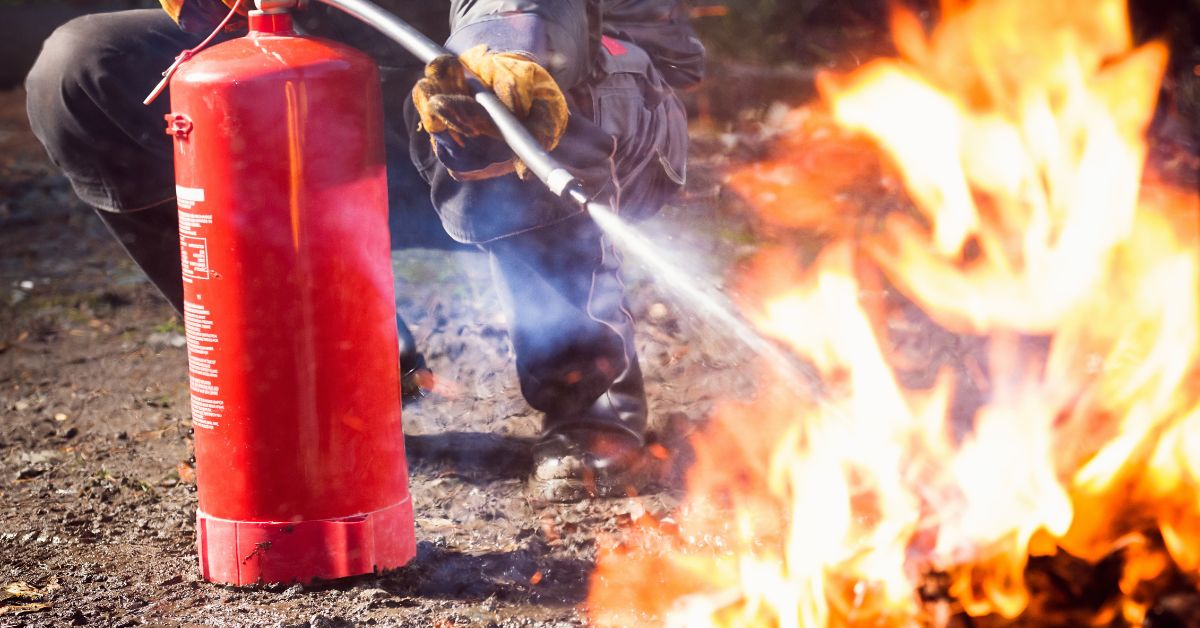
When a fire strikes, the destruction from flames is only part of the story. The water used to extinguish the fire often leaves its own trail of damage, adding complexity to recovery. This guide will help you understand, address, and recover from fire water damage in 2026. Learn the causes, crucial first steps, remediation stages, and strategies to prevent future losses so you can restore safety and peace of mind to your home or business.
Understanding Fire Water Damage: Causes and Consequences
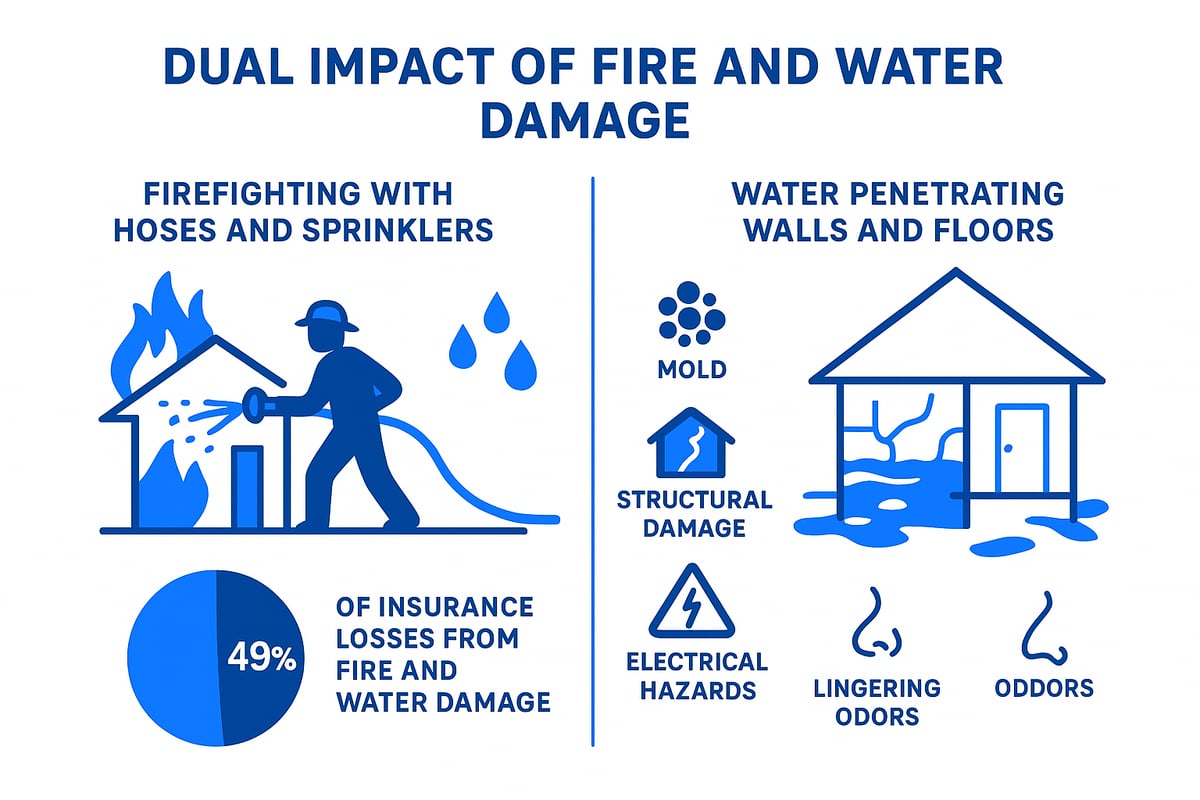
When a fire is put out, large volumes of water from hoses and sprinklers can soak into walls, floors, and hidden cavities. In areas with higher humidity, lingering moisture can be harder to control and can quickly worsen conditions.
Water from firefighting efforts does more than extinguish flames. It can seep deep into structural materials and contents, causing unseen damage that complicates cleanup. According to the 2024 U.S. HOME INSURANCE TRENDS REPORT, fire and water damage together account for nearly half of all homeowner insurance losses, illustrating how serious and costly these events can be.
Typical Types of Water Damage After a Fire
Fire water damage can:
- Weaken structural elements as wood, drywall, and framing absorb water
- Lead to mold growth within 24–48 hours in damp, poorly ventilated spaces
- Damage insulation and drywall
- Warp floors and contribute to sagging ceilings
- Contaminate carpets, furniture, and personal contents
Electrical systems are especially vulnerable. Waterlogged wiring, panels, and appliances can remain hazardous long after the fire is out. Soot, debris, and firefighting chemicals can also contaminate surfaces and indoor air, making thorough cleaning essential.
Health and Safety Risks
Damp, fire-affected environments can support mold and bacteria, increasing the risk of respiratory problems and allergic reactions. Residues from smoke and firefighting chemicals can further compromise indoor air quality.
Standing water and wet surfaces can create slip hazards. Soaked electrical systems may pose shock risks, while hidden debris can cause cuts or puncture wounds. Always use gloves, boots, and masks when entering affected areas, and avoid re-entry until authorities say it is safe.
Long-Term Consequences
If fire water damage is not addressed quickly, long-term problems can arise:
- Lingering odors and ongoing mold growth
- Structural rot that affects framing, subfloors, and other components
- Higher repair costs as damage spreads
- Reduced property value and complications with future insurance claims
Prompt, thorough remediation is crucial to protect both your property and your health.
Immediate Steps After a Fire
Taking the right actions immediately after a fire can greatly reduce damage and improve recovery outcomes.
Ensuring Safety and Assessing the Scene
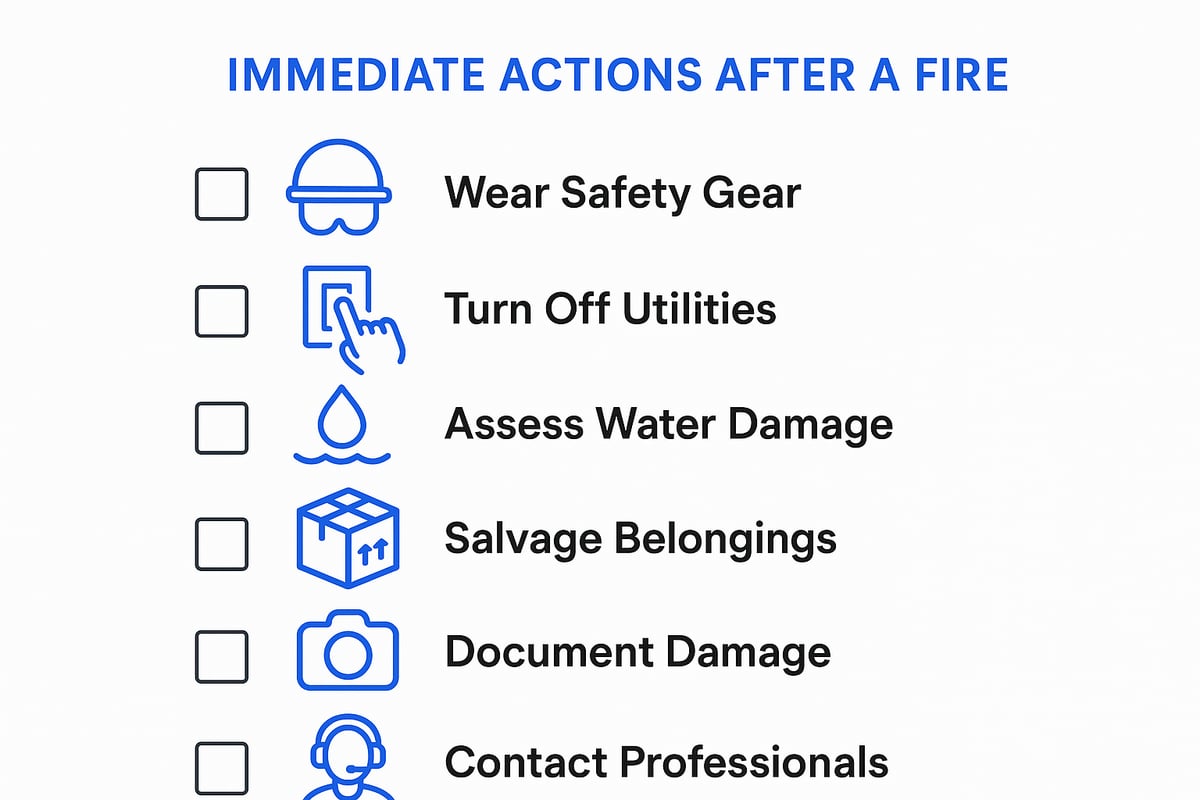
Wait for official clearance from the fire department before re-entering. When allowed to enter:
- Shut off electricity, gas, and water at the main shutoffs if it is safe to do so
- Wear protective gear such as gloves, sturdy boots, and a respirator or mask
- Avoid visibly unstable areas, sagging ceilings, or heavily charred sections
For more detailed health and re-entry guidance, see the CDC Guidance.
Initial Damage Assessment
Once it is safe:
- Look for standing water, obvious fire damage, and water-soaked materials
- Note indicators of structural distress like bowed walls, sagging ceilings, or buckled flooring
- Check for ongoing leaks or broken pipes that could continue to add moisture
Identifying the scope early helps prioritize what needs immediate attention.
Preventing Secondary Damage
To reduce ongoing damage:
- Remove undamaged belongings from affected rooms
- If weather and outdoor humidity allow, open windows and doors to promote ventilation
- Keep children and pets away from affected areas
Fast action at this stage helps reduce mold growth, structural decay, and long-term costs.
Documentation for Insurance
Accurate documentation is essential for a successful claim:
- Take clear photos and videos of each affected room and item
- Make a written inventory of damaged belongings, including approximate value and condition
- Keep copies of fire department reports and any emergency service documentation
These records support your claim and can speed up the process.
Contacting Professionals
Once immediate safety and documentation steps are complete, contact a certified restoration company for emergency mitigation. In serious cases, involve structural engineers or building inspectors to verify that the property is safe for cleanup and repairs.
Step-by-Step Fire Water Damage Remediation
Effective recovery from fire water damage typically follows a systematic process:
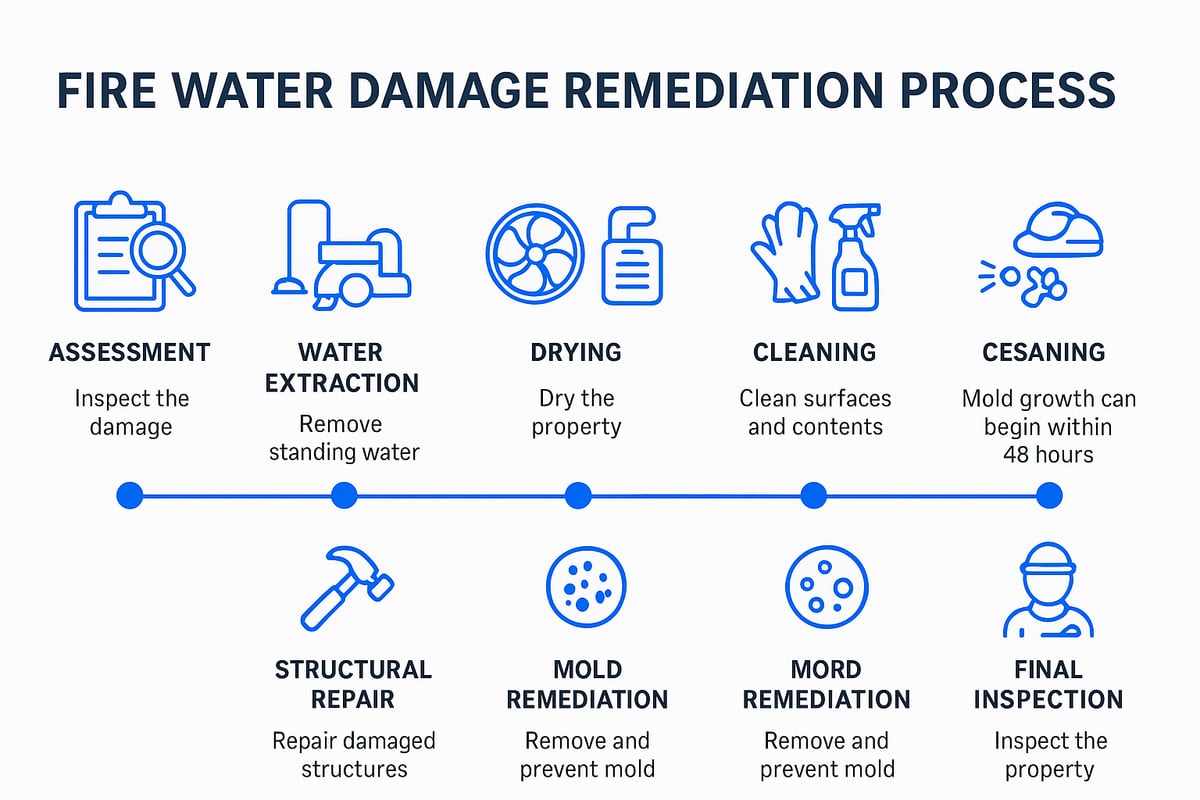
Step 1: Damage Assessment and Hazard Identification
Professionals begin with a comprehensive assessment to:
- Identify electrical, structural, and contamination hazards
- Use moisture meters and thermal imaging to find hidden moisture pockets
- Prioritize areas that require urgent mitigation
Thorough assessment up front lays the groundwork for safe, effective restoration.
Step 2: Water Extraction and Removal of Damaged Materials
Rapid water removal is critical. Crews may use:
- Pumps, wet vacuums, and other extraction equipment
- Containment methods to prevent water migration
Waterlogged materials such as insulation, drywall, flooring, and certain contents are removed and disposed of properly to reduce contamination.
Step 3: Drying and Dehumidification
After extraction:
- Industrial dehumidifiers and air movers are deployed to remove residual moisture
- Humidity and moisture levels are monitored regularly with meters
- Wall cavities, subfloors, and other concealed spaces are checked and dried
Depending on the scope of damage, drying can take from a couple of days to more than a week.
Step 4: Cleaning and Disinfection
Fire water damage often leaves soot, ash, and microbial contaminants:
- Surfaces are cleaned with specialized agents and EPA-registered disinfectants
- Air scrubbers and filters are used to address airborne particles and odors
- HVAC systems and ductwork may be inspected and cleaned to prevent recontamination
Thorough cleaning reduces health risks and prepares the space for repairs.
Step 5: Structural Repairs and Restoration
Once the structure is dry and clean:
- Damaged drywall, flooring, insulation, trim, and roofing components are repaired or replaced
- Electrical and fire suppression systems are inspected and updated if needed
- Water-resistant materials may be installed in high-risk areas
Work with licensed contractors to ensure repairs meet local codes and best practices.
Step 6: Mold Prevention and Remediation
Because post-fire environments are moisture-rich, mold prevention is essential:
- Antimicrobial treatments may be applied to susceptible surfaces
- Materials with visible mold growth are removed and replaced
- Follow-up inspections help verify that mold is not returning
Professional mold remediation helps protect both indoor air quality and long-term structural integrity.
Step 7: Final Inspection and Clearance
The final stage includes:
- A walkthrough with restoration professionals to review completed work
- Moisture checks, air quality testing, and any necessary clearances
- Confirmation that the property is safe and ready for re-occupancy
This final verification gives you confidence that your home or business has been properly restored.
Professional Fire Water Damage Restoration: What to Expect
The Role of Certified Specialists
Certified restoration professionals:
- Respond quickly to limit secondary damage and hazards
- Use advanced tools such as desiccant dehumidifiers, thermal imaging, and HEPA filtration
- Coordinate with insurance adjusters to document damage and provide detailed estimates
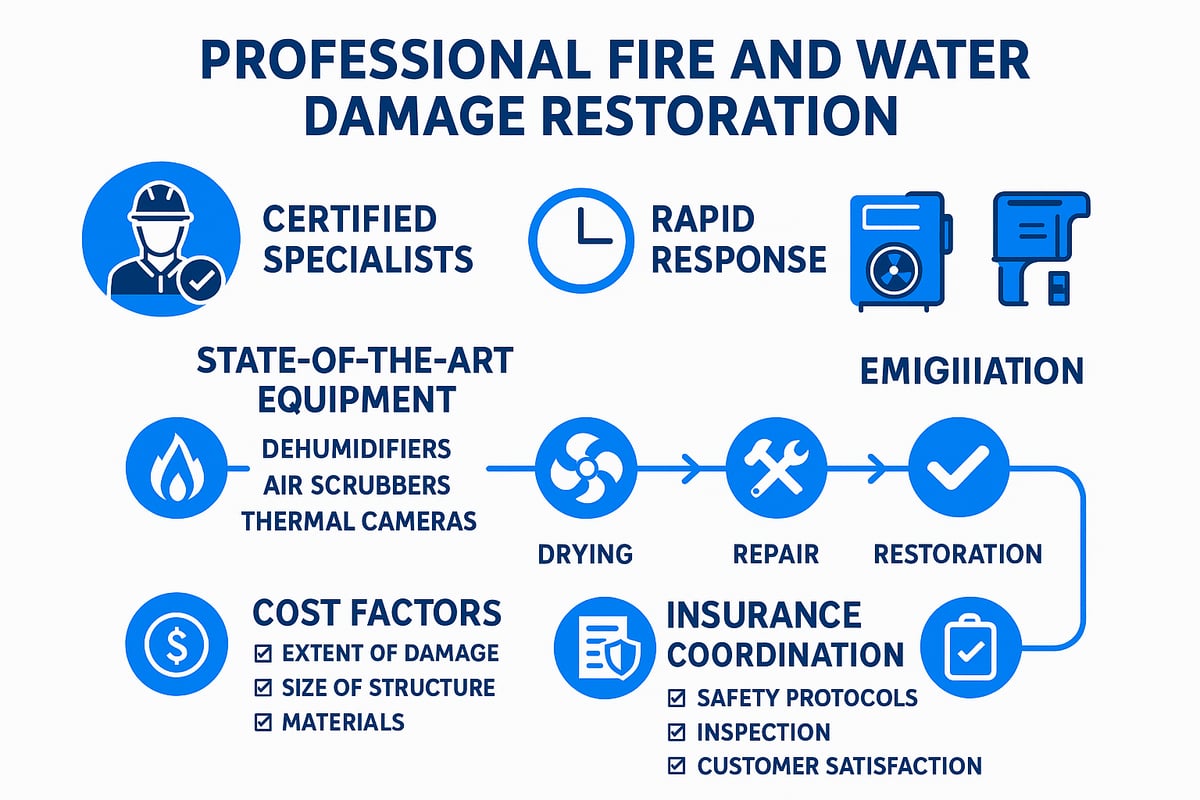
The Role of Certified Restoration Specialists
Certified professionals play a pivotal role in fire water damage recovery. They respond rapidly, often within hours, to prevent secondary issues like mold and structural instability. Using specialized equipment, such as desiccant dehumidifiers and thermal imaging cameras, they identify water intrusion even behind walls. These teams also coordinate with insurance adjusters to ensure all aspects of fire water damage are properly documented and covered.
The Restoration Timeline
Understanding the timeline for fire water damage restoration helps set realistic expectations. The process typically starts with emergency mitigation within 24 to 48 hours after the fire. This swift action limits further fire water damage and addresses immediate hazards. Drying and cleaning follow, which may take several days to a week, depending on the extent of water penetration.
Repairs and reconstruction vary based on how much fire water damage occurred. Larger properties or severe incidents can extend timelines, while minor cases may resolve more quickly. Throughout, professionals keep you informed with regular progress updates.
Quality Assurance and Safety Protocols
Restoration companies adhere to strict quality and safety standards during fire water damage recovery. They follow guidelines from organizations like the EPA, OSHA, and FEMA to ensure all procedures protect your health and property. Routine air quality testing, moisture checks, and mold assessments are standard steps.
Teams maintain transparent communication, providing updates at every phase. Before completion, a final walkthrough and testing confirm that all fire water damage has been addressed and your home is safe for reoccupation.
Cost Factors and Estimates
Several variables affect the cost of professional fire water damage restoration. These include property size, the extent of fire water damage, and the complexity of required repairs. Insurance coverage often mitigates expenses, but policy details and deductibles play a significant role.
It is wise to obtain multiple estimates and references before selecting a restoration provider. This approach ensures you receive fair pricing and high-quality service for your fire water damage needs. Always review contracts carefully to avoid unexpected costs.
Preventing Future Fire Water Damage: Proactive Strategies for 2026
Proactively safeguarding your property against fire water damage is essential for long-term resilience. By combining prevention, mitigation, and preparedness, you can reduce risks, minimize losses, and ensure a faster recovery if disaster strikes. Let us explore the most effective strategies for 2026.
Restoration Timeline
Timelines vary based on severity, but often:
- Emergency mitigation starts within 24–48 hours
- Drying and cleaning may take several days to a week or more
- Repairs and reconstruction can range from a few weeks to several months, depending on damage
Throughout the process, reputable companies provide regular updates and clear communication.
Quality Assurance and Safety Standards
Restoration firms typically follow guidelines from agencies such as the EPA, OSHA, and FEMA. Standard practices include:
- Routine moisture and mold checks
- Air quality monitoring in affected zones
- Strict safety protocols for workers and occupants
A final walkthrough confirms that fire, water, and contamination issues have been resolved.
Cost Factors and Estimates
Costs depend on:
- The size of the property
- The extent of fire and water damage
- The complexity of structural repairs and specialty cleaning
Insurance coverage, limits, and deductibles all influence your out-of-pocket costs. It is wise to gather multiple estimates and check references before choosing a restoration provider.
Preventing Future Fire Water Damage
A proactive approach can greatly reduce the impact of future fire and water events.
Fire Prevention and Suppression Upgrades
Key steps include:
- Installing and maintaining smoke alarms and fire extinguishers
- Keeping modern sprinkler systems inspected and tested
- Considering smart detection systems that send alerts to your phone
Water Damage Mitigation
To lower water-related risk:
- Ensure grading and drainage direct water away from your foundation
- Install leak detectors and automatic shutoff valves on key plumbing lines
- Use moisture-resistant materials in basements, lower levels, and utility areas
These measures help limit damage from both firefighting efforts and everyday leaks.
Maintenance and Inspections
Annual inspections of roofing, plumbing, and electrical systems can reveal early warning signs. Professional risk assessments can identify vulnerabilities you might otherwise miss. Regular upkeep reduces the odds of severe fire water damage and supports a safer living environment.
Emergency Preparedness
Create and practice an emergency plan that includes:
- Evacuation routes and meeting points
- A list of critical contacts (insurance, restoration company, utilities)
- An emergency kit with essentials, documents, and important phone numbers
Knowing how to shut off utilities safely after a fire or water event can also reduce additional damage.
Insurance Review
Review your policy at least once a year to confirm:
- Adequate coverage for fire, water, and mold-related losses
- Any exclusions, limits, or endorsement options
Insurance Claims and Legal Considerations
Filing a Claim
After fire water damage:
- Document damage with photos, videos, and a written inventory
- Notify your insurer quickly and follow their instructions
- Save all receipts and written communication
Prompt, organized action helps minimize disputes and delays.
Understanding Coverage
Many homeowners policies cover:
- Fire and smoke damage
- Sudden, accidental water damage
- Some mold remediation, often with limits
However, long-term leaks and issues caused by poor maintenance may be excluded. Fire and water-related claims are among the most common homeowner losses, making it essential to understand what is and is not covered.
Working with Pros and Insurers
Restoration companies often assist with:
- Detailed estimates and supporting documentation
- Communication with adjusters about scope and pricing
- Mold assessments and remediation reports
| Coverage Type | Included | Common Exclusions |
|---|---|---|
| Fire/Smoke Damage | Yes | Negligence |
| Water Damage | Yes | Gradual leaks |
| Mold Remediation | Often, with limits | Poor maintenance |
Legal and Code Compliance
All repair work must comply with local building codes and safety regulations. If you are a landlord or tenant, clarify who is responsible for which aspects of repair and restoration. Obtain required permits before significant reconstruction to avoid delays and legal issues.
Resources and Next Steps
Helpful resources include FEMA, the EPA, the American Red Cross, and local emergency management agencies. These organizations offer guidance, checklists, and sometimes financial assistance.
If you have experienced a recent fire or suspect hidden fire water damage, you do not have to go through it alone. Clarketon Restoration helps San Diego homeowners with everything from detailed assessments to full repairs. Take the first step toward a safer, healthier property by scheduling one of our Free Inspections.