A roof does more than protect a home from rain and debris. It plays a direct role in regulating indoor temperatures, improving energy efficiency, and supporting overall structural integrity. Homeowners often focus on upfront installation costs, but roofing materials also affect maintenance needs, utility bills, and long-term property value. Choosing the right material is not just a construction decision.
Many homeowners begin by exploring basic asphalt options because they are widely available and cost-effective. While these materials provide adequate protection, they may not always deliver the durability or efficiency needed for long-term performance. Understanding how different roofing materials function helps homeowners make informed decisions that go beyond short-term savings. A well-chosen roof can reduce energy loss, improve insulation, and enhance a property’s overall appeal, making it more competitive in the real estate market.
The Economy vs. Longevity Debate
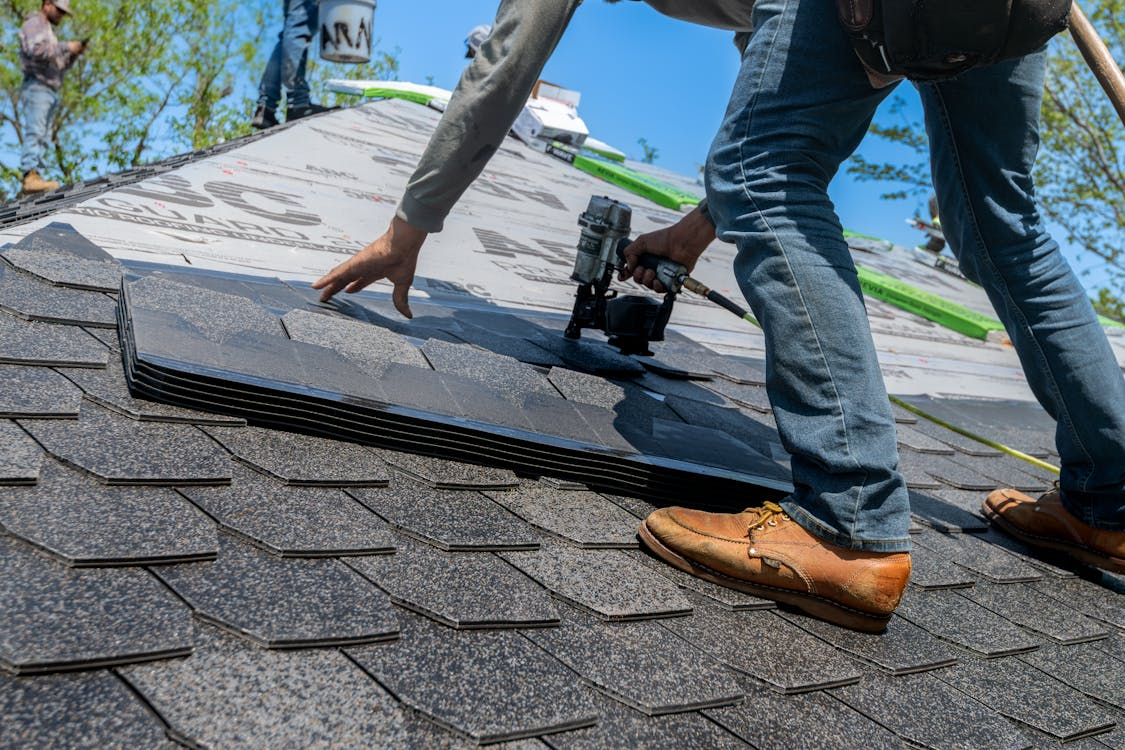
Budget considerations often guide the early stages of roof selection. Most homeowners begin by exploring asphalt shingles because they are widely available, cost-effective, and suitable for many residential properties. As they compare options within this category, they start to notice clear differences in structure, thickness, and expected lifespan. These variations directly affect how well a roof performs over time, making it important to understand each type before making a long-term decision.
Among these options, 3 tab shingles are typically the first choice for homeowners because of their simple design and budget-friendly cost. They are built with a single layer of asphalt material, which gives them a flat and consistent appearance. Their lightweight design allows for faster installation, which helps lower overall labor and material costs.
Energy Efficiency & Reflectivity
Roofing materials directly influence how heat is absorbed or reflected. Lighter colors and specially designed reflective surfaces can reduce the amount of heat entering the home. This helps maintain a more stable indoor temperature, especially during warmer months. As a result, homeowners may notice lower cooling costs and less strain on their HVAC systems.
Proper attic ventilation also works in conjunction with roofing materials to improve efficiency. When heat is allowed to escape, it prevents moisture buildup and reduces the risk of damage. Selecting energy-efficient materials combined with effective ventilation supports a more comfortable living environment. Over time, these choices can lead to noticeable savings on energy bills and extend the roof’s lifespan.
Weather Resistance & Durability
Roof durability is a key factor in protecting a home from unpredictable weather conditions. Materials vary in their ability to withstand wind, hail, and heavy rain. Choosing a roofing system with higher resistance ratings can help prevent damage and reduce the need for frequent repairs. This is especially important in regions that experience seasonal storms or strong winds.
Fire resistance is another critical consideration for homeowners. Certain materials are designed to meet strict safety standards, providing added protection in emergencies. Durable roofing systems not only enhance safety but also contribute to long-term reliability.
Aesthetic Impact on Curb Appeal
The roof plays a major role in defining a home’s exterior appearance. Material, color, and texture all influence how the property is perceived from the street. A well-coordinated roof can enhance architectural details and create a cohesive look that aligns with the home’s design style. This visual consistency enhances overall appeal and can make a strong impression on visitors and buyers.
Different roofing styles complement different types of homes. For example, dimensional shingles often suit traditional or craftsman designs, while metal roofing works well with modern structures. Choosing the right combination helps highlight the home’s best features. A visually appealing roof not only improves daily satisfaction but also contributes to higher perceived value in the housing market.
Maintenance & Lifespan Expectations
Every roofing material comes with its own maintenance requirements and expected lifespan. Asphalt shingles are relatively easy to maintain but may need to be replaced sooner than more durable materials. Metal and tile roofs often last longer, but they may require specialized care to preserve their condition over time. Understanding these differences helps homeowners plan for future upkeep.
Routine inspections play a critical role in extending a roof’s lifespan. Identifying minor issues early can prevent costly damage later. Cleaning debris, checking for loose components, and addressing wear promptly can keep the roof performing efficiently. Consistent maintenance not only protects the structure but also helps maintain the home’s value over the years.
ROI and Resale Value
A high-quality roof can significantly influence a home’s resale potential. Buyers often view a recently upgraded roof as a sign of proper maintenance, which can increase confidence in the property’s overall condition. This perception can lead to stronger offers and quicker sales, especially in competitive markets.
Investing in durable and energy-efficient materials can also reduce negotiation points during a sale. Buyers are less likely to request repairs or discounts when the roof is in excellent condition. Over time, the combination of reduced maintenance costs and improved market appeal makes roofing upgrades a practical financial decision for homeowners.