Key Takeaways
- Functionality, sustainability, and personalization anchor the latest remodeling trends.
- Smart home technologies and eco-friendly materials are key components of contemporary renovations.
- Flexible layouts and design choices support evolving homeowner demands for multifunctional living.
Modern home remodeling is reshaping the way people experience and interact with their living spaces. Gone are the days when remodeling was simply about fresh paint or new furniture. Today’s projects focus on sustainability, smart technology, multifunctional design, and personal expression. This approach not only improves comfort and efficiency but also anticipates future needs, transforming residences into truly dynamic environments. Homeowners in Raleigh and beyond are increasingly seeking expert guidance, such as from Blue Chip Window & Door of Raleigh, to ensure their spaces meet modern expectations.
These evolving trends highlight a growing mindfulness of how homes impact health, environment, and day-to-day living. Eco-conscious materials, tech-driven convenience, and personal touches are now standard requirements. As home remodeling continues to evolve, the focus is on creating adaptable, beautiful, and highly functional spaces that cater to unique lifestyles, all while ensuring a seamless integration between indoor and outdoor areas. Industry leaders and local specialists are bringing new possibilities to homeowners, making the future of home living brighter and more customizable than ever before. Understanding what drives these changes can help homeowners make informed decisions that add long-term value and comfort to their properties. Sustainable choices and technology adoption not only respond to personal and market needs but also align with global trends and environmental accountability. As work-from-home and hybrid lifestyles gain momentum, the need for versatile, multipurpose living spaces has never been greater. This practical approach extends beyond interiors, bringing new purpose to patios, gardens, and other outdoor zones.
Embracing Sustainable Materials
Eco-friendly remodeling is rapidly becoming the norm for conscious homeowners. Innovative materials like reclaimed wood, recycled metals, and energy-saving fixtures offer a blend of durability and character. The use of such materials significantly reduces the carbon footprint of construction and renovation, a critical step in addressing climate change. At the same time, sustainable practices, like installing high-performance windows or adding insulation, lower energy bills and support healthier indoor environments, which is why more professionals and DIY enthusiasts are adopting them. According to the U.S. Environmental Protection Agency, sustainable remodeling not only protects the planet but also enhances air quality and boosts home market values. Learn more about EPA’s sustainable construction and renovation initiatives.
Integrating Smart Home Technology
The digital revolution has reached the home front, with smart automation systems fast becoming standard in remodeling projects. Voice-activated assistants, app-controlled thermostats, and sophisticated security systems now streamline daily living. Whether it’s remotely adjusting lighting or monitoring energy use in real time, technology places control firmly in homeowners’ hands. Not only do these innovations boost efficiency and security, but they also create environments that are responsive to every family member’s routines. Advances like smart glass windows and touchless appliances are making homes more intuitive, helping people save energy and reducing daily hassles.
Designing Multi-Functional Spaces
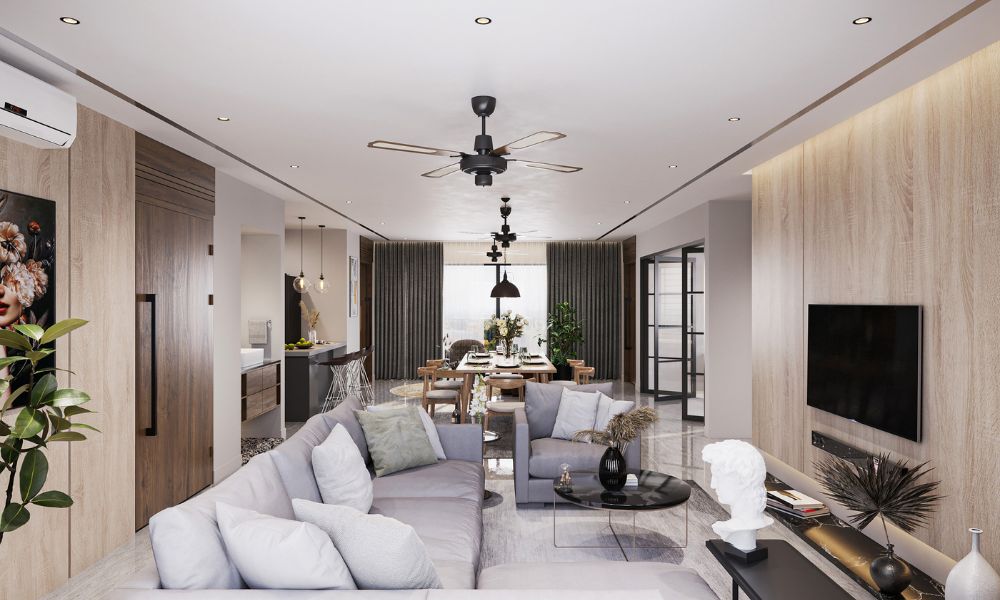
The shift to remote work and evolving family needs are driving the demand for spaces that serve multiple functions. Today, it’s common to see home offices that easily convert to guest bedrooms or dens, kitchens that blend seamlessly into dining and entertaining areas, and living rooms that feature retractable partitions for added privacy. Flexibility is the guiding principle; a home gym by day can become a yoga or kids’ play zone by night.
Incorporating Biophilic Design Elements
Designers and homeowners alike are embracing biophilic principles that prioritize integrating natural elements into built environments. Features like wall-to-ceiling windows, skylights, indoor plants, and wood or stone finishes help reconnect occupants with nature. Studies referenced by Architectural Digest show that increased exposure to nature indoors improves mood, productivity, and overall wellness. As a result, features such as living green walls, water features, and organic color palettes are gaining popularity, transforming homes into calming, health-supportive sanctuaries.
Personalizing Interior Spaces
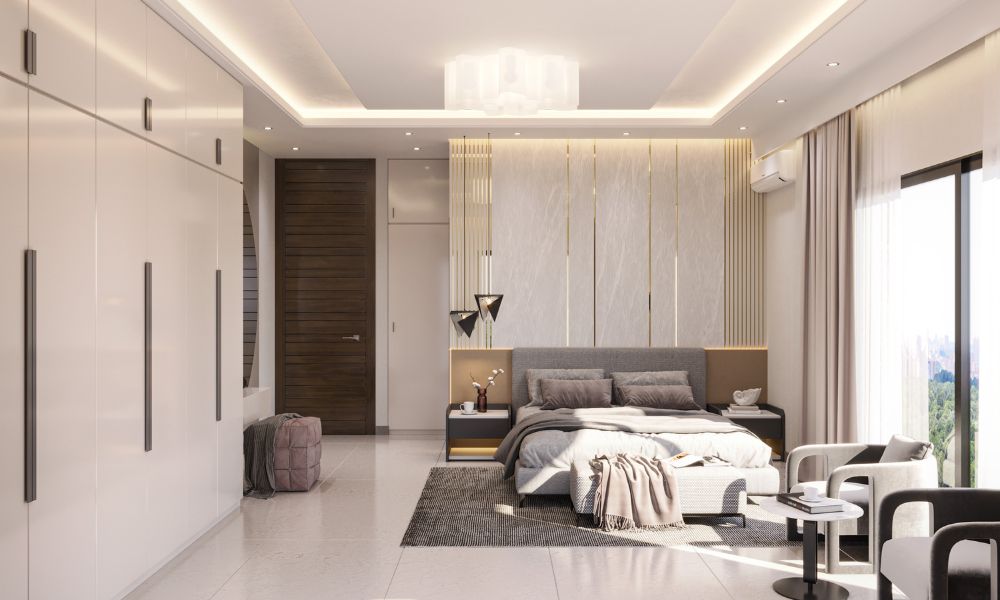
Generic, one-size-fits-all interiors are giving way to highly personalized living spaces. Homeowners are encouraged to express their individuality through bold colors, eclectic furnishings, and unique artwork. This trend recognizes that homes are deeply personal and should reflect the values, memories, and inspirations of those who live in them. Layering textures and experimenting with different material combinations breaks up uniformity and creates richer, more inviting atmospheres. Interiors now tell a story, with every corner reflecting personal journeys and aspirations.
Enhancing Outdoor Living Areas
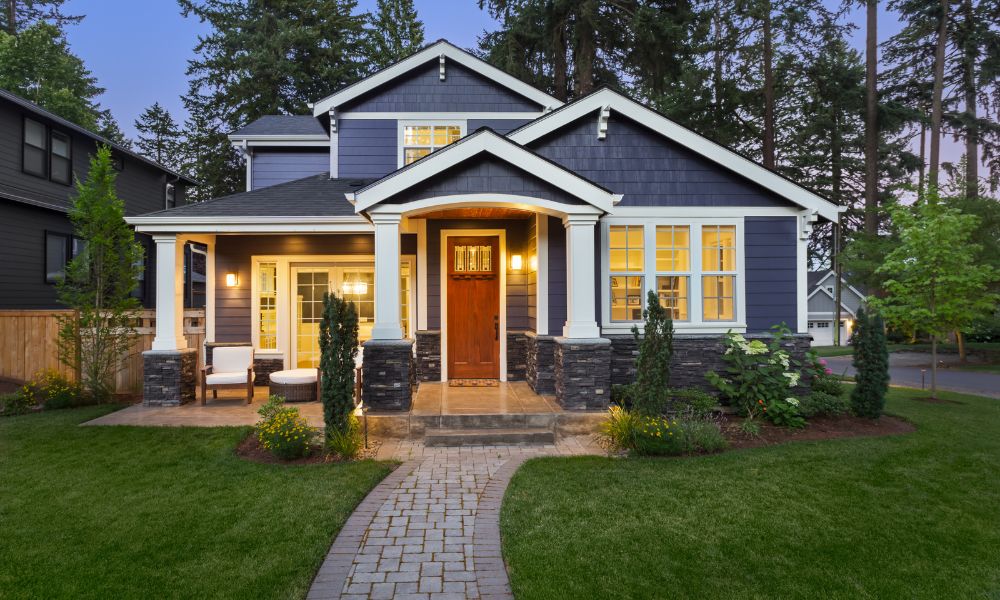
Outdoor revamps are redefining what it means to live comfortably at home. Patios, decks, and gardens are transformed into functional extensions of indoor living. Features such as fully equipped outdoor kitchens, built-in grills, cozy seating arrangements, and fire pits foster social connection and relaxation. These improvements blur the traditional boundaries between indoor and outdoor spaces, enabling year-round gatherings in comfort and style. As outdoor living grows in popularity, so does the demand for durable, weather-resistant materials and creative landscaping.
Conclusion
Home remodeling has grown far beyond simple design updates. It now encompasses a holistic vision centered on eco-friendly materials, smart technology, flexible layouts, and individualized design. As these trends continue to shape how people live and interact with their spaces, partnering with innovative professionals ensures that homes remain functional, beautiful, and uniquely relevant. The future of living is flexible, sustainable, and unmistakably personal, making this an exciting time for homeowners and the remodeling industry as a whole.