Quick Answer
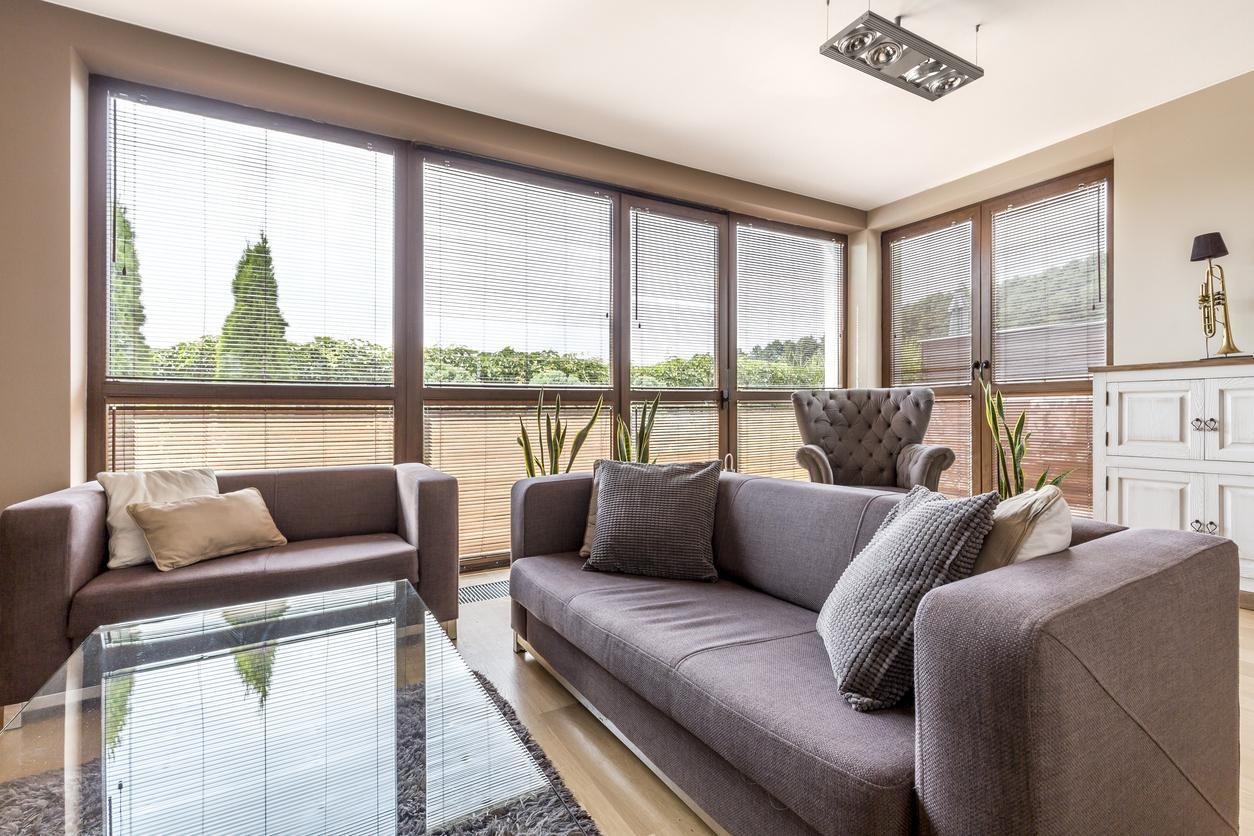
The benefits of natural light in the home reach across mood, productivity, and rest. Bright morning exposure regulates circadian rhythm, sharpens focus, and supports healthy melatonin release in the evening. Indoor daylight also reduces reliance on artificial fixtures, helps balance interior temperatures, and lifts how spaces feel. Well-chosen window treatments preserve these gains while still managing glare and privacy when needed.
Introduction
Most homeowners think about window coverings only when glare hits a screen or a neighbour’s porch lamp keeps them up at night. The conversation rarely starts with biology, even though human alertness, hormone cycles, and mood respond directly to the quality of daylight indoors. That oversight explains why so many rooms feel washed out at noon yet oddly gloomy by mid-afternoon.
A more informed approach treats daylight as a design input rather than an accident of architecture. Working with seasoned Calgary’s custom blind specialists reflects a growing shift toward evidence-based fenestration choices, where fabric openness, mount depth, and room function all matter.
In practice, smart window treatment selection shapes how a space performs, not just how it looks. Done well, it preserves the benefits of natural light while giving each room precise control over privacy, warmth, and visual comfort.
What Daylight Actually Does for the Body
Sunlight is a biological signal long before it becomes a design feature. The eye contains specialized photoreceptors that translate brightness into hormonal cues, shaping when the body feels alert and when it winds down.
The Science Behind Light and the Body
Morning brightness at the eye triggers cortisol release, which drives alertness and steady energy through the day. As evening approaches, falling lux levels prompt melatonin production, the hormone that prepares the body for rest.
Disrupted exposure flattens this curve, leaving interiors that often feel fatiguing. The accepted natural light health benefits include sharper cognition, balanced mood states, fewer headaches linked to indoor glare, and stronger vitamin D synthesis through indirect pathways.
How Mood and Rest Respond to Daylight
Research in chronobiology consistently shows how natural light affects mood, particularly through serotonin pathways that brighten with morning exposure. Predictable indoor daylight stabilizes emotional baselines, especially during the shorter winter days common across the prairies. Evening light hygiene matters too, since artificial brightness late at night can suppress melatonin and erode sleep quality over time.
Tip: Aim for at least 30 minutes of direct morning exposure within an hour of waking, ideally near an east-facing window.
Indoor outcomes tied to thoughtful daylight design include:
- Sharper morning focus and steadier daytime alertness
- More restful evenings and improved overnight recovery
- Reduced eye strain from balanced ambient brightness
- Lower reliance on overhead fixtures during daytime hours
Matching Window Treatments to Room Function

Translating daylight goals into hardware requires aligning fabric, mount, and purpose with each room.
Fabric Openness and Mount Depth
Every shade fabric carries an openness factor, a percentage describing how much daylight passes through the weave. A 5 percent openness preserves outward views while softening glare, while a 1 percent or opaque weave drops interior brightness dramatically. Outside-mounted shades also minimize edge leakage in spaces where darkness is critical.
Blackout vs Light Filtering Blinds at a Glance
The decision should follow room function, not aesthetics alone.
| Criterion | Blackout | Light Filtering |
| Light transmission | Up to 99 percent blocked | Diffused, roughly 3 to 15 percent open |
| Best rooms | Bedrooms, nurseries, media spaces | Living rooms, kitchens, home offices |
| Daytime privacy | Complete | Moderate to high |
| UV blockage | Very high | Partial, varies by weave |
| Thermal insulation | Strong, especially cellular builds | Moderate |
A practical zoning logic for the whole home looks like this:
- East and south-facing daytime rooms suit diffusing weaves near 5 percent openness.
- Bedrooms and theatres call for opaque fabrics with outside mounts.
- Bathrooms and entryways prioritize privacy weaves with moderate diffusion.
The result is precise control across every space, without compromising daylight gains.
Keeping the Strategy Working for the Long Run
A well-planned daylight scheme should age gracefully alongside the household.
Care That Protects Performance
Coverings lose efficiency when dust loads insulate the weaves or harsh sun degrades synthetic backings. Cellular and roller fabrics benefit from gentle vacuuming with a brush attachment every few weeks. Motorized systems should be inspected annually for tension consistency and motor calibration.
Smart Controls and Energy Considerations
Programmable schedules align shade movement with the sun’s path, lifting fabrics at dawn and lowering them ahead of evening to preserve circadian rhythm. Motorized setups integrate with major home platforms and contribute to energy savings by limiting solar heat gain in summer and radiant loss in winter.
Request fabrics with documented UV blockage ratings and confirm motor warranties cover at least five years of daily cycling. A sound long-term checklist includes:
- Annual hardware inspection for brackets, cords, and motors
- Seasonal cleaning suited to the weave type
- Periodic review of the room functions as household routines evolve
Homes across the prairies face wide swings in daylight intensity from season to season, which makes this a recurring conversation rather than a one-time decision. Specifying durable hardware, planning by room function, and revisiting choices every few years sustains the full benefits of natural light for years to come.
Final Takeaways on Designing for Daylight at Home
Thoughtful daylight planning rewards the household with steadier energy, calmer evenings, and rooms that feel right at every hour. The strongest results come from matching window treatments to room function, balancing privacy with diffusion, and revisiting hardware as routines and seasons shift.
Specifying quality weaves, durable mechanisms, and zoned controls turns brightness into a measurable performance asset. Approached this way, the benefits of natural light in the home extend well beyond aesthetics into long-term comfort and well-being.