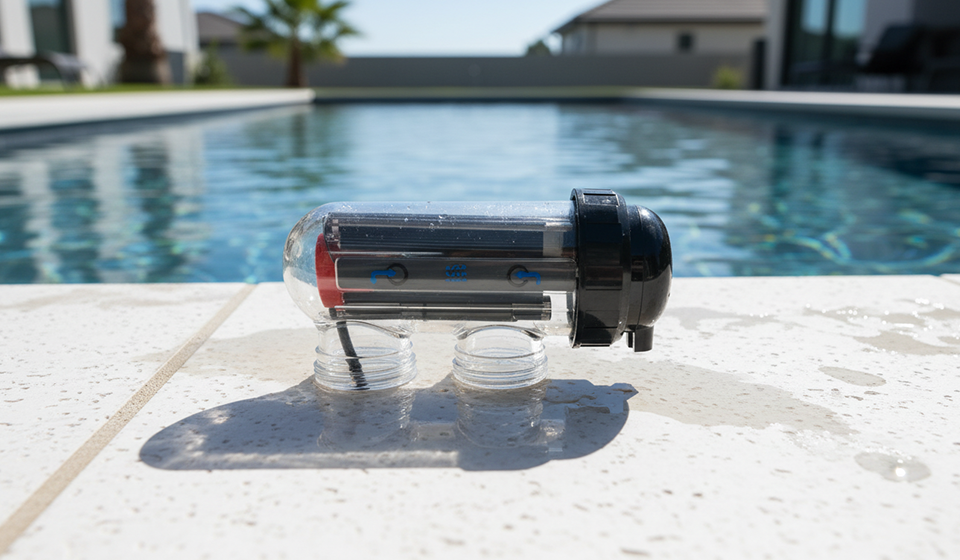
Swimming pools have evolved far beyond simple recreation. Modern pool systems are designed to enhance water quality, reduce maintenance, and create a safer swimming environment. A critical component in achieving this is the salt cell, which plays a central role in saltwater chlorination systems. Knowing when to consider a swimming pool salt cell replacement can make a significant difference in your swimming experience. Upgrading to a high-quality salt cell not only improves water quality but also reduces ongoing maintenance, making it a smart investment for long-term enjoyment.
Signs Your Pool Salt Cell Needs Upgrading
Reduced Chlorine Output
One of the most common indicators is a noticeable drop in chlorine production. You may observe that your pool water turns cloudy more quickly or that algae growth becomes more frequent.
Key points to consider:
- The salt cell may no longer generate enough chlorine to maintain proper sanitation.
- Manual addition of chlorine becomes more frequent, defeating the purpose of a saltwater system.
- Testing the chlorine output using a pool test kit can help confirm whether the cell is underperforming.
Visible Calcium or Mineral Buildup
Salt cells operate in a high-salinity environment, which makes them prone to calcium and other mineral deposits forming on the cell plates. Over time, these deposits create a layer that reduces the cell’s efficiency and can affect chlorine production, making your pool harder to maintain and potentially impacting water quality.
Indicators of buildup include:
- White, crusty deposits are visible on the cell plates, which are often difficult to remove with simple cleaning
- Reduced water flow through the salt cell, indicating the plates are partially blocked
- Increased need for frequent cleaning, which may only provide temporary relief
If descaling or cleaning the plates does not restore proper chlorine output, it is a clear sign that the cell’s performance is deteriorating, and replacement should be considered.
Inconsistent Pool Water Chemistry
When a salt cell begins to fail, you may notice irregularities in your pool’s water chemistry. This often appears as fluctuating chlorine levels, sudden changes in pH, or difficulty maintaining balanced chemical readings. Such inconsistencies can make it challenging to keep the water clean and safe for swimming.
Potential consequences:
- The pool becomes more susceptible to bacteria and algae growth, which can quickly spread if not properly managed
- Swimmers may experience irritation to the skin and eyes due to inconsistent chlorine levels, making the pool uncomfortable and potentially unsafe
- Other pool equipment, including filters and pumps, may experience added stress as they work harder to compensate for chemical imbalances, which can shorten their lifespan and increase maintenance requirements
Frequent Error Messages or System Alerts
Modern saltwater systems are equipped with built-in monitoring features that provide alerts when the salt cell is underperforming. Repeated error codes or warning lights can indicate that the system is detecting an issue that needs attention, helping prevent more serious problems before they occur.
Possible causes include:
- Electrical failure or corrosion within the cell, which can reduce efficiency or stop chlorine production altogether
- Incorrect salt levels or low water conductivity affect the cell’s ability to generate chlorine consistently
- The cell is approaching the end of its functional lifespan, signalling that its performance is naturally declining
Ignoring these warnings can compromise pool sanitation, create unstable water chemistry, and potentially lead to costly repairs or damage to other pool equipment.
Benefits of Upgrading Your Salt Cell
Upgrading your pool’s salt cell isn’t just about maintaining chlorine levels. A new, high-quality salt cell can improve your entire pool experience.
- Enhanced Water Quality: A new salt cell ensures steady chlorine production, resulting in crystal-clear water with minimal chemical fluctuations. Swimmers experience softer water that is gentle on skin and eyes.
- Reduced Maintenance: Modern salt cells are more efficient and easier to maintain. Fewer manual chemical additions and less frequent cleaning mean you spend more time enjoying the pool and less time monitoring it.
- Energy and Cost Efficiency: Advanced salt cells consume less energy while producing optimal chlorine levels. This translates into lower electricity costs and a reduced environmental impact.
- Longevity of Pool Equipment: Balanced water chemistry from a reliable salt cell helps prevent corrosion or scaling in pool pumps, heaters, and other equipment, extending their lifespan.
Conclusion
Salt cells play a vital role in maintaining clean, balanced, and safe pool water. Over time, signs such as visible calcium or mineral buildup, inconsistent water chemistry, and frequent error messages can indicate that a cell is underperforming or nearing the end of its lifespan. Addressing these issues promptly ensures your pool remains sanitary, enjoyable, and easier to maintain, while also protecting other equipment from unnecessary strain.
For those looking to upgrade or maintain their pool systems effectively, consulting experienced pool builders in Bendigo can make a significant difference. Their expertise ensures that any replacement or maintenance work is done correctly, maximising the lifespan of your equipment and keeping your pool in optimal condition for years of safe and enjoyable swimming.
Frequently Asked Questions
How can it be determined that a salt cell needs replacing?
Signs that a salt cell may need replacement include reduced chlorine output, visible calcium or mineral buildup, inconsistent pool water chemistry, and frequent system error messages.
What causes reduced chlorine production in a saltwater pool?
Reduced chlorine output often occurs when the salt cell becomes less efficient due to age, mineral deposits, or electrical issues. When chlorine levels fluctuate or algae growth increases despite regular maintenance, it may indicate the cell is not producing sufficient chlorine.
Why does calcium or mineral buildup affect a salt cell?
Salt cells operate in a high-salinity environment, making them prone to calcium and mineral deposits. These deposits coat the cell plates, reducing efficiency and potentially affecting chlorine production.
What happens when pool water chemistry becomes inconsistent?
When a salt cell starts to fail, chlorine and pH levels may fluctuate. This can make the pool more susceptible to bacteria and algae growth, cause irritation to swimmers’ skin and eyes, and place additional stress on other pool equipment such as filters and pumps.
How can pool builders assist with salt cell maintenance or replacement?
Experienced pool builders provide expert guidance on selecting, installing, and maintaining salt cells. Their knowledge ensures that replacements are performed correctly, optimising chlorine production, preventing equipment damage, and keeping the pool safe and enjoyable for years.