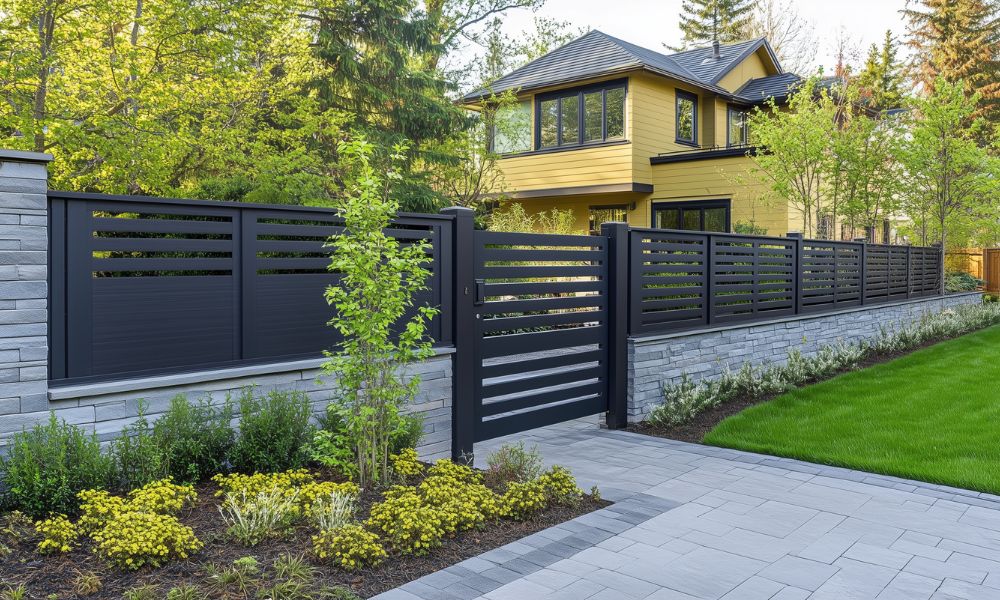
A fence is more than just a boundary; it’s a key part of your home’s curb appeal, privacy, and security. But in areas like Northern Virginia, where weather changes throughout the year bring heavy rain, humidity, heat, and seasonal storms, fences can take a beating over time. Wood can rot, metal can corrode, and even vinyl can weaken if it’s not properly maintained.
What many homeowners don’t realize is that landscaping plays a major role in how long a fence lasts. When designed correctly, landscaping doesn’t just make your yard look better; it actually helps protect your fence and extend its lifespan.
Let’s break down how smart landscaping choices can improve fence durability and reduce long-term maintenance costs. Using smart landscaping techniques like proper drainage, shrub placement, and erosion control can help extend the life of your fence and improve overall property protection, especially when paired with professional fence installation services like those offered at https://rockfivefence.com/fence-installation-leesburg-va/
Creating Proper Drainage Around Your Fence
One of the biggest threats to fence durability is moisture. When water constantly pools at the base of a fence, especially a wooden one, it can lead to rot, mold, and structural weakening over time.
Proper landscaping helps prevent this by improving drainage around the fence line. Grading the soil to slope away from the fence allows rainwater to drain naturally rather than collect at the base. Adding gravel beds or drainage-friendly plants can also reduce standing water.
Professional landscapers often design yard layouts with water flow in mind, ensuring your fence stays dry even after heavy storms. Working with experienced landscaping companies near me can help homeowners improve drainage, reduce soil erosion, and protect their fences from long-term moisture damage and wear.
Using Plants as a Protective Barrier
Believe it or not, plants can actually protect your fence when used strategically. Shrubs, hedges, and ornamental grasses can act as natural buffers against wind, debris, and direct sunlight.
For example, a row of shrubs planted a short distance from a wooden fence can reduce the amount of wind that directly hits it during storms. This lowers the risk of panels loosening or leaning over time. In addition, these plants can provide shade, helping reduce sun damage and fading on stained or painted fences.
The key is spacing plants should never grow directly against the fence, but instead be placed so they protect without trapping moisture.
Preventing Moisture Buildup With Smart Plant Placement
While plants can help protect fences, poor placement can have the opposite effect. One of the most common mistakes homeowners make is planting vines or dense shrubs directly against fencing.
When plants grow tightly against a fence, they trap moisture between their leaves and the fence. This creates the perfect environment for rot, mildew, and insect activity.
Professional landscaping design ensures sufficient airflow between vegetation and fencing, allowing the structure to dry properly after rain or irrigation.
Choosing Fence-Friendly Landscaping Materials
The type of landscaping materials used around your fence also makes a big difference in durability. Mulch, soil, gravel, and edging all affect how moisture behaves near the fence line.
For example:
- Gravel beds improve drainage and reduce moisture buildup
- Rubber mulch or stone mulch lasts longer and holds less water than wood mulch
- Raised garden beds keep soil and water away from direct fence contact
By selecting the right materials, you reduce constant exposure to moisture, a major cause of fence deterioration.
Protecting Fences From Lawn Equipment Damage
Another overlooked issue is physical damage from landscaping maintenance. Lawn mowers, weed trimmers, and edgers can slowly wear down fence posts and bases.
Proper landscaping design includes buffer zones between grass and fencing. These can be small gravel strips, stone borders, or planted edges that keep equipment safely away from the fence.
This simple step prevents scratches, chips, and impact damage that can shorten a fence’s lifespan.
Reducing Sun Damage With Strategic Shade
In Northern Virginia, seasonal sun exposure can be just as damaging as rain. Constant UV exposure can cause wood fences to fade, crack, and dry out over time.
Thoughtful landscaping helps reduce this by adding natural shade. Trees placed at a safe distance, tall shrubs, or pergola-style features can help block harsh sunlight during peak hours.
This not only protects the fence material but also helps preserve paint and stain finishes for longer periods.
Keeping Pests Away From Fence Structures
Landscaping can also influence pest activity around your fence. Overgrown vegetation, damp soil, and cluttered yard edges can attract termites, ants, and rodents, all of which can damage wooden fencing.
Maintaining clean landscaping zones, trimming plants regularly, and keeping mulch from touching fence boards helps reduce pest attraction. A well-maintained yard creates a less inviting environment for insects and burrowing animals.
Final Thoughts
A fence is an investment, and like any investment, it needs the right environment to last. Landscaping is not just about aesthetics; it plays a direct role in how well your fence performs over time.
From improving drainage and reducing moisture to preventing physical and sun damage, smart landscaping design can significantly extend your fence’s lifespan and reduce repair costs.
For homeowners in Northern Virginia, where weather conditions constantly change, combining proper landscaping with quality fencing installation is one of the most effective ways to protect your property and maintain long-term curb appeal.