Over the past decade, a noticeable shift has taken place in American architecture: more designers and builders are moving away from traditional domestic window options and specifying German and broader European window systems instead. This trend is especially strong in high-end residential, passive house, and energy-efficient commercial projects.
At the center of this shift are companies like Europrestige, which specialize in bringing premium European window solutions to the U.S. market and working directly with architects and developers to integrate them into modern building designs.
Superior Energy Efficiency Is Reshaping Design Standards
One of the biggest drivers behind the switch is energy performance.
German window systems are engineered with advanced insulation technologies such as triple glazing, multi-chamber frames, and precision sealing systems. These features dramatically reduce heat loss and air leakage compared to many standard U.S. windows.
For architects working under stricter energy codes or aiming for Passive House certification, this performance difference is not minor—it directly affects whether a building meets regulatory and sustainability goals.
Airtight Construction Improves Building Comfort
Another key reason architects are switching is airtightness.
German systems are designed to minimize drafts and uncontrolled air infiltration through:
- Multi-point locking hardware
- Compression seals instead of sliding gaps
- Precision-engineered frame connections
This level of airtightness improves indoor comfort, reduces HVAC load, and enhances acoustic insulation—especially important in dense urban projects.
Tilt-and-Turn Functionality Changes How Buildings Are Designed
Unlike traditional American double-hung or sliding windows, many German systems use tilt-and-turn mechanisms.
This allows a single window to:
- Tilt inward for secure ventilation
- Fully open inward for cleaning or emergency egress
For architects, this means greater flexibility in façade design and improved usability without sacrificing safety or insulation performance.
Minimalist Aesthetics Match Modern Architecture Trends
Modern architecture increasingly favors:
- Slim sightlines
- Larger glass surfaces
- Minimal frame visibility
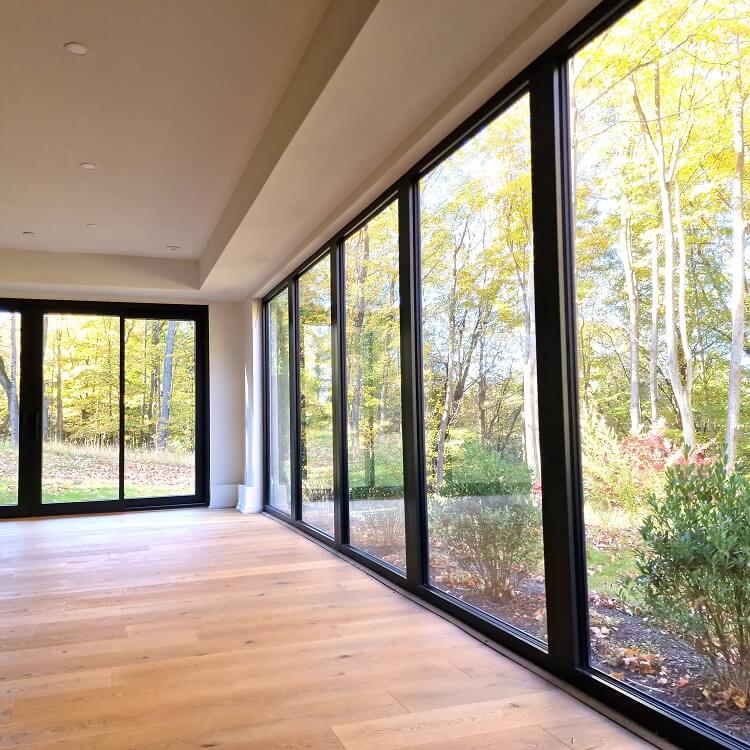
German window systems are structurally optimized to support larger panes of glass with thinner frames, enabling more natural light and cleaner exterior lines. This aesthetic aligns strongly with contemporary luxury residential and commercial design trends.
Better Durability and Engineering Precision
European and German manufacturers are known for strict engineering standards and long product lifespans.
Architects often report fewer service issues over time due to:
- Higher-grade materials (aluminum, reinforced uPVC, engineered wood)
- Factory-controlled production tolerances
- Advanced hardware systems designed for long-term use
This reduces maintenance callbacks—an important factor for developers and design firms managing large portfolios.
Growing U.S. Supply Chain Support Makes Adoption Easier
Historically, European windows were seen as difficult to import or install in the U.S. However, this barrier is shrinking as suppliers and distributors streamline logistics and compliance with American building codes.
Companies like Europrestige.us play a major role here, offering:
- Custom European-made window systems
- Collaboration with architects and builders
- Project support from specification to installation
This support makes it easier for U.S. firms to adopt European systems without facing traditional import complexity.
The Passive House Movement Is Accelerating the Shift
As Passive House and net-zero building standards become more mainstream in the U.S., high-performance envelopes are no longer optional.
German window systems are often already designed to meet or exceed these requirements, making them a natural fit for:
- Energy-positive homes
- High-performance commercial buildings
- Sustainable luxury developments
This alignment with environmental goals is pushing more architects to reconsider their default specifications.
Conclusion: A Functional Shift, Not Just a Design Trend
The move toward German window systems in the U.S. is not simply aesthetic—it is performance-driven.
Architects are choosing them because they deliver measurable improvements in:
- Energy efficiency
- Airtightness
- Durability
- Design flexibility