13 Restaurant Interior Design Ideas to Transform Dining Spaces

Creating a memorable restaurant experience goes beyond the menu; it starts with the environment.
At MansionFreak.com, Leyden shares insights into designing spaces that delight guests from the moment they walk in.
Thoughtful interiors can elevate ambiance, improve customer satisfaction, and boost a restaurant’s identity.
Whether cozy, modern, or eclectic, the right design choices turn a simple meal into an unforgettable experience.

| Design Idea | Installation Difficulty | Estimated Cost Range | 2025 Trend Rating |
|---|---|---|---|
| Multi-Sensory Lighting Design | Medium | $1,000 – $5,000 | ⭐⭐⭐⭐ |
| Acoustic Zoning | Medium | $2,000 – $7,000 | ⭐⭐⭐⭐ |
| Modular Seating Options | Low | $500 – $3,000 | ⭐⭐⭐⭐⭐ |
| Indoor Greenery and Living Walls | High | $1,500 – $10,000 | ⭐⭐⭐⭐⭐ |
| Statement Entryway | Medium | $1,000 – $6,000 | ⭐⭐⭐⭐ |
| Open Kitchen Concept | High | $5,000 – $20,000 | ⭐⭐⭐⭐ |
| Customized Wall Art | Low | $200 – $2,000 | ⭐⭐⭐⭐ |
| Adaptive Table Heights | Low | $500 – $2,500 | ⭐⭐⭐⭐ |
| Interactive Lighting Fixtures | High | $1,500 – $8,000 | ⭐⭐⭐⭐⭐ |
| Integrated Technology Corners | Medium | $1,000 – $5,000 | ⭐⭐⭐⭐ |
| Textured Ceiling Treatments | Medium | $1,500 – $7,000 | ⭐⭐⭐⭐ |
| Seasonal Décor Zones | Low | $300 – $2,000 | ⭐⭐⭐⭐ |
1. Multi-Sensory Lighting Design
Lighting sets the mood and influences perception of space and food. Layered lighting—combining ambient, task, and accent lights—can highlight décor, create intimacy, and subtly guide diners through the restaurant experience. The right glow transforms even a simple table setting into a visual delight.

- Affects mood, appetite, and perceived food quality.
- Keeps guests comfortable during dining.
- Enhances the overall dining atmosphere.
- Use dimmable overhead lights with warm tones and accent spotlights on key décor.
- Adjust brightness according to time of day for dynamic, inviting spaces.
2. Acoustic Zoning
Restaurants can feel chaotic if noise overwhelms conversation. Acoustic zoning involves using sound-absorbing panels, furniture placement, and rugs to create distinct areas. This ensures that each table enjoys a comfortable sound level without dampening the lively atmosphere of the entire space.

- Impacts comfort and overall dining satisfaction.
- Allows conversations to flow naturally.
- Enhances guest experience and encourages longer visits.
- Install acoustic panels on walls and ceilings and use soft furnishings.
- Strategically place partitions and layer music to match zones without overpowering conversation.
3. Modular Seating Options
Flexibility in seating can adapt to group sizes and dining occasions. Modular benches, movable chairs, and foldable tables allow for quick reconfiguration, accommodating private events, large groups, or intimate dinners without sacrificing style or comfort.

- Increases operational flexibility in the dining area.
- Optimizes space utilization efficiently.
- Ensures all guests feel comfortable.
- Invest in modular furniture made of durable materials.
- Combine fixed booths with movable tables and chairs for adaptable layouts.
4. Indoor Greenery and Living Walls
Plants add texture, freshness, and visual appeal to restaurants. Living walls or potted plants can create natural partitions, soften industrial interiors, and improve air quality, creating a calming environment that contrasts bustling kitchen and dining areas.

- Improves aesthetics and visual appeal.
- Enhances air quality in the dining space.
- Promotes guest well-being and reduces stress.
- Incorporate vertical gardens, potted plants on tables, and wall planters.
- Choose low-maintenance greenery suitable for indoor lighting and restaurant conditions.
5. Statement Entryway
The first impression begins at the entrance. A bold, welcoming design—whether an artistic wall, unique lighting fixture, or textured doorway—sets expectations and reflects the restaurant’s personality, leaving guests excited before they even sit down.

- Influences guests’ perception and emotional response.
- Encourages repeat visits through a memorable entrance.
- Reinforces brand identity and concept.
- Install feature lighting, custom signage, or interactive art pieces.
- Use textures, materials, and color accents to create a visually inviting entrance.
6. Open Kitchen Concept
Exposing the kitchen creates transparency, adds theatricality, and connects diners with the culinary process. Carefully designed open kitchens balance functionality with aesthetics, allowing guests to watch chefs without feeling intrusive or distracted.

- Builds trust and transparency with diners.
- Engages guests by making food preparation visible.
- Enhances the sense of authenticity in dining.
- Use glass partitions or half walls while maintaining cleanliness and organization.
- Ensure proper ventilation and integrate decorative kitchen elements with dining areas. When planning your kitchen and bar areas, it’s also important to invest in the right commercial equipment to support both functionality and presentation — from professional-grade appliances to specialized units like countertop merchandiser freezers that help display and preserve grab-and-go items without sacrificing style.
7. Customized Wall Art
Walls can tell a story or reinforce a restaurant’s theme. Hand-painted murals, local artwork, or interactive installations create memorable visuals, giving each space its own character while stimulating conversation among diners.

- Creates an emotional connection with guests.
- Enhances ambiance and overall dining experience.
- Distinguishes the restaurant from competitors.
- Collaborate with local artists, rotate seasonal pieces, or use themed murals.
- Combine art with lighting to highlight key pieces effectively.
8. Adaptive Table Heights
Varying table heights—from bar-height seating to cozy booths—offers visual interest and flexibility. It caters to casual diners, intimate conversations, and social gatherings, keeping the environment dynamic without overcrowding.

- Create spatial variety within the dining area.
- Improve guest comfort across seating options.
- Encourage a natural flow throughout the space.
- Mix high tables, standard tables, and lounge areas for diversity.
- Ensure uniform materials and style, placing taller tables near windows or communal areas.
9. Interactive Lighting Fixtures
Lighting that changes subtly in color or intensity based on time or activity adds engagement. From glowing tables to responsive pendant lights, interactive illumination creates a memorable and immersive dining experience.

- Transforms ordinary dining into an immersive experience.
- Delights guests and enhances enjoyment.
- Reinforces the restaurant’s unique identity.
- Install programmable LED systems with motion or sound sensors.
- Combine with traditional lighting to complement the mood without distraction.
10. Integrated Technology Corners
Subtle tech integration—like digital menus, tablet ordering, or charging stations—enhances convenience. Incorporating tech seamlessly into furniture or walls ensures it doesn’t disrupt design aesthetics while offering modern functionality.

- Improves operational efficiency in the restaurant.
- Enhances guest satisfaction and convenience.
- Adds modern appeal and aligns with digital expectations.
- Embed devices into tabletops or counters and hide cables.
- Use minimalist designs ensuring ease of use and style consistency.
11. Textured Ceiling Treatments
Ceilings are often overlooked, yet they influence acoustics, perception of space, and atmosphere. Textured materials like wood slats, fabric panels, or painted patterns add depth and visual interest to dining areas.

- Affect acoustics and overall dining ambiance.
- Enhance guest comfort and experience.
- Create a more engaging and visually appealing environment.
- Use wooden beams, suspended panels, or artistic plaster for design.
- Combine with lighting to emphasize textures and maintain spatial harmony.
12. Seasonal Décor Zones
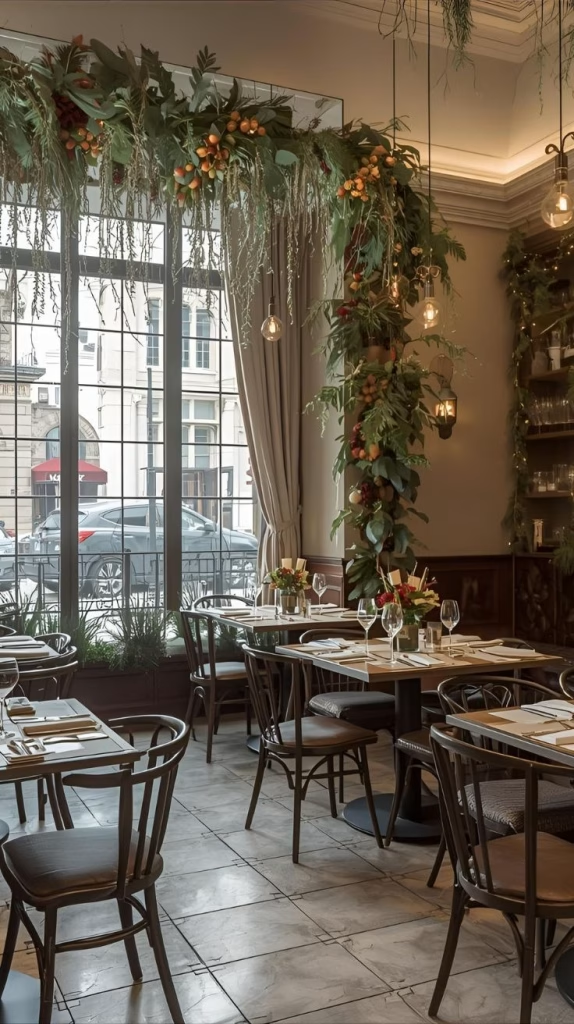
Dedicated areas that change décor according to season or festival keep the restaurant dynamic. From table centerpieces to window displays, seasonal adjustments create excitement and encourage repeat visits.
- Refreshes the dining experience regularly.
- Keeps patrons engaged and interested.
- Enhances the restaurant’s personality and relevance year-round.
- Plan modular displays and rotate décor monthly or quarterly.
- Incorporate seasonal colors, plants, and lighting to match the main design theme.
Key Takeaways
- Design impacts both ambiance and dining satisfaction.
- Flexibility, sensory engagement, and unique elements create memorable experiences.
- Subtle personal touches and themed concepts make a restaurant stand out.
- Innovation should be practical, enhancing comfort, usability, and aesthetics.
Final Thoughts
Restaurant interior design is where creativity meets functionality. By implementing unique ideas like living walls, adaptive seating, and multi-sensory lighting, owners can create spaces that delight and inspire.
For more expert guidance and practical insights, MansionFreak.com and Leyden’s design expertise provide invaluable inspiration to elevate any dining space.
To bring your dream design to life, explore Mansion Freak’s Modern Interior Design services and discover how luxury and comfort can beautifully coexist .