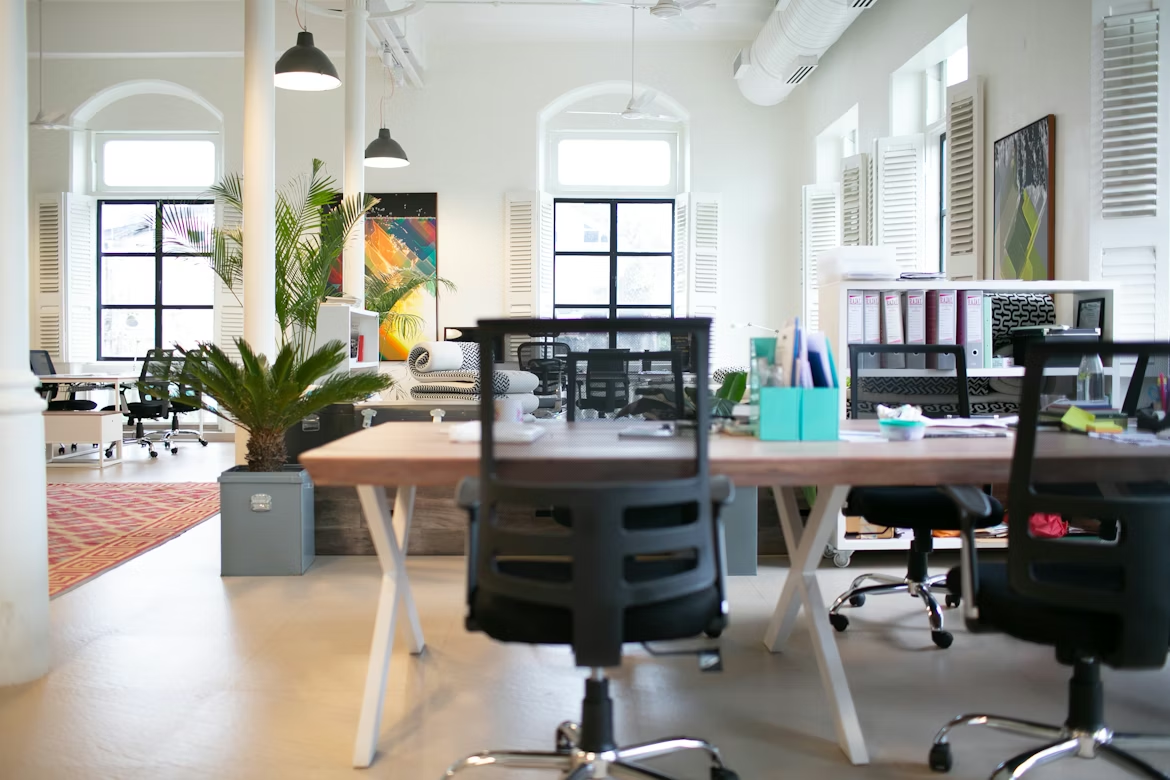
Office culture is not just a handbook or a slogan on a wall. It is the daily mood people feel when they walk in, find a desk, and get to work. Art can make that mood visible, readable, and memorable.
Art as a living mirror of culture
The best office art does not just look nice. It shows who you are by echoing shared beliefs like curiosity, humility, or boldness. When teams see those ideas on the walls, they get small reminders of why their work matters.
Start by naming the traits you want to reinforce. If you prize transparency, choose pieces with open forms and clear materials like acrylic or glass. If you value community, look for collaborative works or rotating exhibits that feature staff stories.
Choose themes that tell your story
Themes focus your collection so it reads like a story rather than a random gallery. A product company might celebrate craft and process, while a services firm might lean into people, places, and shared wins. Tie the art journey to moments employees already experience, like onboarding, first project, or promotion.
Curate with intent across shared areas, quiet zones, and meeting rooms. You can explore options for modern artwork for the workplace that map to each zone and keep the narrative consistent. Round the story out with short labels that explain the why in a single sentence.
Empower teams in the curation process
People support what they help create. Invite small cross-functional groups to weigh in on mood boards, shortlists, and placement. Give them language to react to, like trusted, inventive, welcoming, or focused.
This input does not need to slow you down. Offer two or three curated paths and let staff pick the favorite. A single lunch hour vote can build ownership that lasts long after the unveil.
A workplace arts journal has highlighted how art aligned to company values can help stabilize culture and even lower turnover by keeping the internal message consistent across spaces.
Color, mood, and meaning
Color sets the tone in a split second. Warm palettes can soften a serious environment, while cooler palettes can calm a busy floor. If your culture leans energetic, choose brighter accents in controlled doses so the space stays focused.
Think of color like a soundtrack for the floor. Use one family per zone to reduce visual noise and help the eye rest. Let artists bring depth with texture, pattern, and negative space rather than a dozen competing hues.
Quick color playbook
- Pick three core tones for each zone and repeat them with small shifts.
- Use neutral walls, then let art carry the color hit.
- Test under your actual lighting, not just daylight, before you buy.
Scale, placement, and the rhythm of movement
Large pieces slow people down, small pieces speed them up. Place big work where you want people to pause, like near a lounge or at a strategy wall. Use series or grids in corridors to create a steady beat that guides movement.
Keep sightlines clean. Hang work at a consistent center height so the eye does less work and teams feel the order. In glassy spaces, lean on sculptures and textiles for depth without glare.
Blend art with function
Functional art supports work without shouting over it. Acoustic panels wrapped in artist textiles can quiet open zones. Markerboard murals can double as brainstorming surfaces while still telling your story.
Furniture can be a frame for the art. A bench under a photograph invites a quick huddle, while a plant cluster beside a canvas softens edges. Choose mounts and hardware that match your brand metals so the whole install feels deliberate.
An article on workspace habits reported that people feel more productive in tidy, well-organized environments, and that better organization can drive a noticeable productivity lift. This lines up with treating art not as clutter but as a clear, purposeful element that supports focus.
Wayfinding, rituals, and brand moments
Art can help people navigate without signs. Color-coded series or motifs can mark neighborhoods, project lanes, or floors. A repeating shape can signal resource areas like kitchens, libraries, or maker spaces.
Build small rituals around the collection. A monthly 10-minute walk and talk can refresh how teams see the work and the culture signals behind it. Invite new hires to pick a favorite piece during onboarding to spark an early connection.
Local voice and community ties
Commissioning local artists brings authenticity and pride. The imagery carries your city, your landscape, and your people into the space. It signals that you invest in the community that supports your business.
Mix media to reflect the diversity of voices you want inside the company. Photography, fiber, metal, and digital pieces can sit side by side if you connect them with a shared theme or color family. Rotate a few works each quarter to keep energy high.
A 2024 workplace technology study noted that just over half of UK employees and roughly two-thirds in Australia felt set up for success. Thoughtful environmental cues like clear, relevant art can support that sense of readiness by reducing friction and clarifying purpose.
Budgeting, sourcing, and governance
Treat art like any other asset. Set an annual budget, define approval paths, and track conditions. Decide what is permanent, what is on loan, and what rotates.
Work with a small vendor roster to save time. Ask for maintenance needs, lead times, and deinstallation costs up front. Document placements and artists, so moves and refreshes stay simple.
One smart purchase list
- A few high-impact anchors to define zones
- Modular series for corridors that can expand
- Durable frames or mounts that match brand metals
- A rotation plan for two pieces per quarter
Measuring what matters
You can measure the effect of art without turning the office into a lab. Watch for shifts in how people use spaces, how long they linger, and which areas earn the most informal meetings. Ask short pulse questions on mood, focus, and sense of belonging.
Track outcomes that connect to culture, like cross-team visits or reduced complaints about noise or glare. Refresh pieces that underperform and double down on the ones people love. Share quick wins so the program keeps momentum.
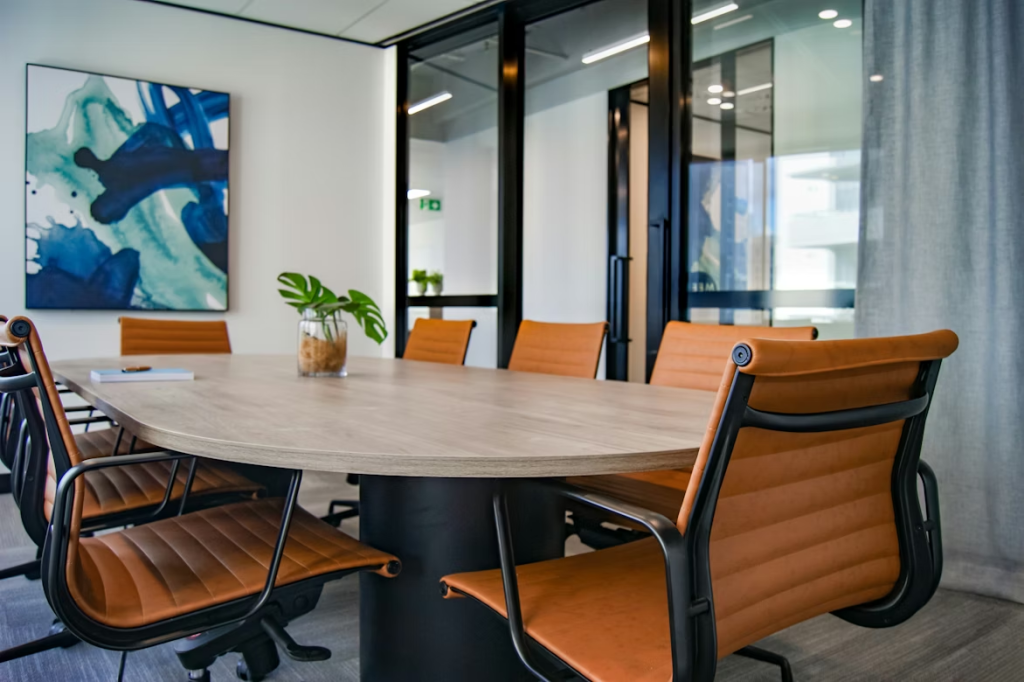
A strong art program is not just decoration. It is a practical way to show what you value and to support how people work. Choose with intent, place with care, and keep listening as your culture evolves.