Home repairs do not have to be stressful or expensive. With a few tools, a little patience, and safe habits, you can handle many common fixes yourself. This guide walks you through beginner-friendly jobs that save money and teach useful skills.
Fix Dripping Faucets and Silent Toilet Leaks
A slow drip might seem minor, but it adds up on your water bill. Turn off the water under the sink, then remove the handle and cartridge to check for worn O-rings or mineral buildup. Clean parts with vinegar, replace any damaged seals, and reassemble carefully.
Toilet leaks may be hidden. Add a few drops of food coloring to the tank and wait 10 minutes without flushing. If the bowl water changes color, the flapper is not sealing well and needs replacement. A national water program has noted how small household leaks can waste thousands of gallons a year, so this quick check is worth your time.
Decking Repairs You Can Tackle
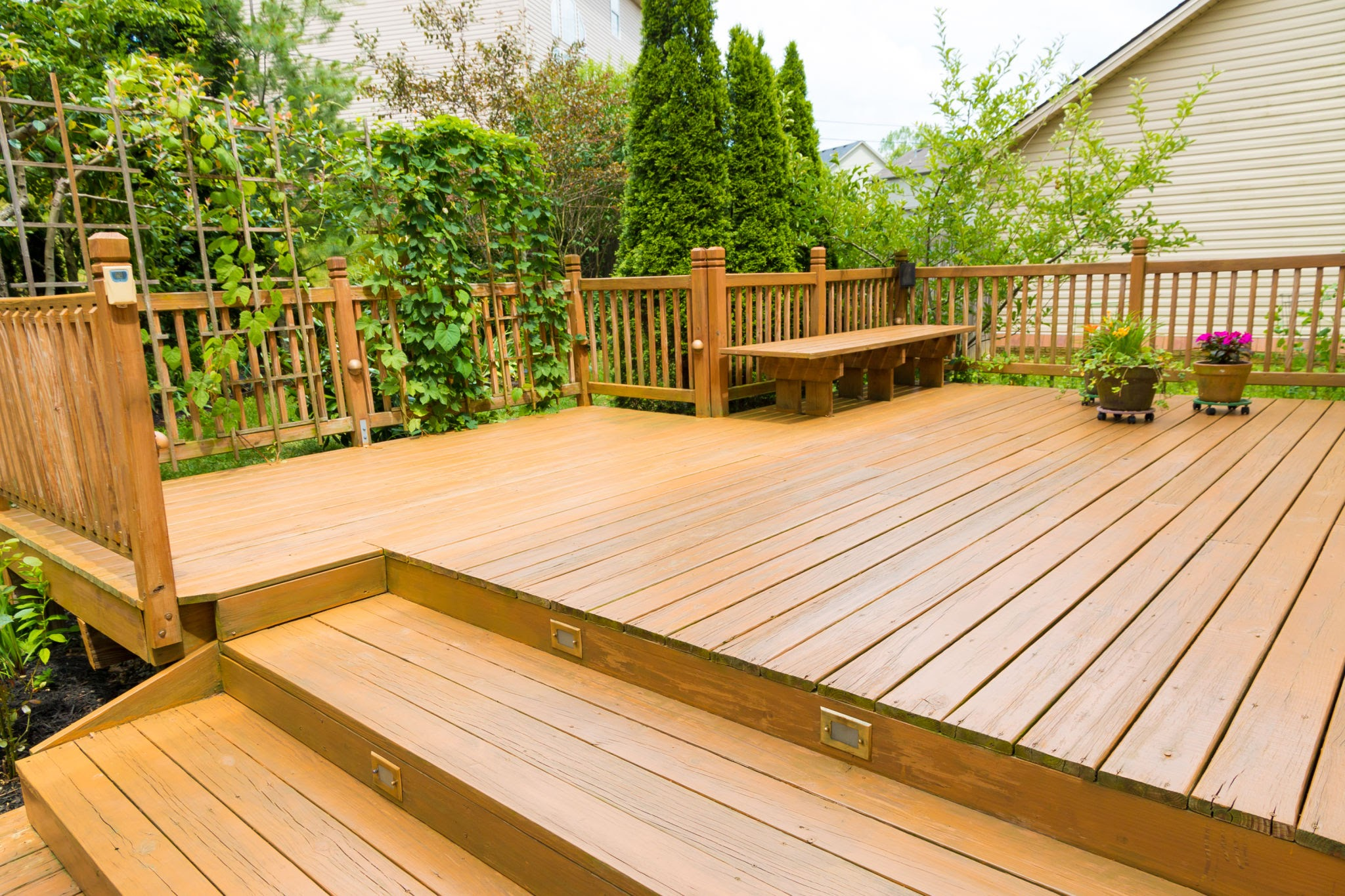
Outdoor decks take a beating from sun, rain, and foot traffic. Loose boards, proud screws, and the odd split plank are common and simple to fix. For replacing a handful of boards, choose durable professional decking screws that match your timber and are rated for outdoor use. Drive them just below the surface to avoid tripping and to keep water from pooling, predrill near board ends to prevent splitting, and use a spacer to keep consistent gaps for drainage.
If a fastener has stripped, back it out with a screw extractor and fill the hole with a glued wood plug before driving a new screw nearby. Address wobbly rail posts by tightening carriage bolts from both sides. Sweep debris out of gaps so water can run off instead of soaking in.
- Inspect for soft spots and rot
- Replace cracked or cupped boards
- Reset proud screws and nails
- Tighten rail and stair hardware
Home Fixes Every Owner Should Learn
Some tasks are perfect for beginners because they use simple tools and have clear steps. Patching small holes, quieting squeaky hinges, and re-caulking a tub fall into this bucket. They build confidence and make your home look well cared for.
A home improvement magazine recently rounded up common starter repairs that most people can learn with basic practice. Use those ideas as a checklist you can chip away at on weekends. These quick wins add up to a safer, more comfortable space.
Here are simple DIY fixes that homeowners can tackle with minimal tools:
- Patch nail pops and small drywall dents
- Replace worn faucet washers and cartridges
- Re-caulk tubs, showers, and backsplashes
- Tighten cabinet hardware and door hinges
- Swap out the old outlet and switch covers
- Refresh weatherstripping on drafty doors
Patch Drywall Dings and Holes
Small dents happen from chair backs, doorknobs, and kids being kids. For dime-sized holes, use a lightweight spackle and a 4-inch knife. Press the compound in, smooth it flat, let it dry, sand lightly, and touch up paint.
For larger holes, use a self-adhesive mesh patch. Feather the edges with two thin coats rather than one thick one. Keep the knife clean as you work so you do not drag ridges across the surface. With patience, the repair blends into the wall and disappears.
Quiet Squeaky Doors and Tighten Loose Hinges
Squeaks come from friction. Pull the hinge pin partway out, wipe it clean, and add a drop of lubricant. If the noise lingers, check for hinge misalignment by loosening the screws, lifting the door slightly, and retightening.
If the screws will not bite, upgrade to longer screws that reach the framing. Fill stripped holes with toothpicks and wood glue, then drive the screw back once it cures. These tiny fixes make doors feel solid and help them close smoothly.
Refresh Caulk Around Tubs And Sinks
Old caulk cracks, lifts, and lets water creep into gaps. Slice away the old bead with a sharp utility knife, and pull it off slowly so you do not gouge the surface. Clean the area with rubbing alcohol and let it dry completely.
Tape both sides of the joint, and run a steady bead of bath-rated silicone. Smooth it with a damp finger or caulk tool and peel the tape before skin forms. Keep the shower dry for a full cure. Clean caulk lines transform a bathroom and protect against hidden moisture.
Replace Worn Weatherstripping and Block Drafts
Air leaks raise heating and cooling costs. Check for light under exterior doors and feel for drafts on breezy days. If weatherstripping has flattened or cracked, pry it off gently and match the profile at the store for a snug fit.
Install new stripping so it compresses slightly when the door closes. Add a door sweep if you can see daylight at the threshold. For windows, apply rope caulk to seasonal gaps and foam backer rod for wider seams. Small air-seal steps reduce noise and make rooms more comfortable.
Build Momentum With Smart, Small Projects
Motivation grows when your efforts pay off quickly. Nearly all respondents are taking on DIY projects, and many plan to keep going next year. That trend tracks with what you will feel after your first successful fix.
Start with jobs that have a clear start and finish in under an hour. Tightening a loose handrail, swapping a showerhead, or replacing a noisy fan switch gives instant results. As your toolkit and skills grow, you can take on bigger tasks.
Know When a Drip Becomes a Problem
Water damage hides until it shows as a stain or a musty smell. Keep a log of small issues you spot so you can track patterns. If a stain returns after you repaint, or if sealing a joint does not hold, it is time to look deeper.
Turn off the water at the fixture or main valve before opening any supply line. Use a bucket, towels, and safety glasses, and never work on live electrical near water. Public guidance has emphasized how tiny leaks add up to major waste, so treating these early saves both water and repair costs.
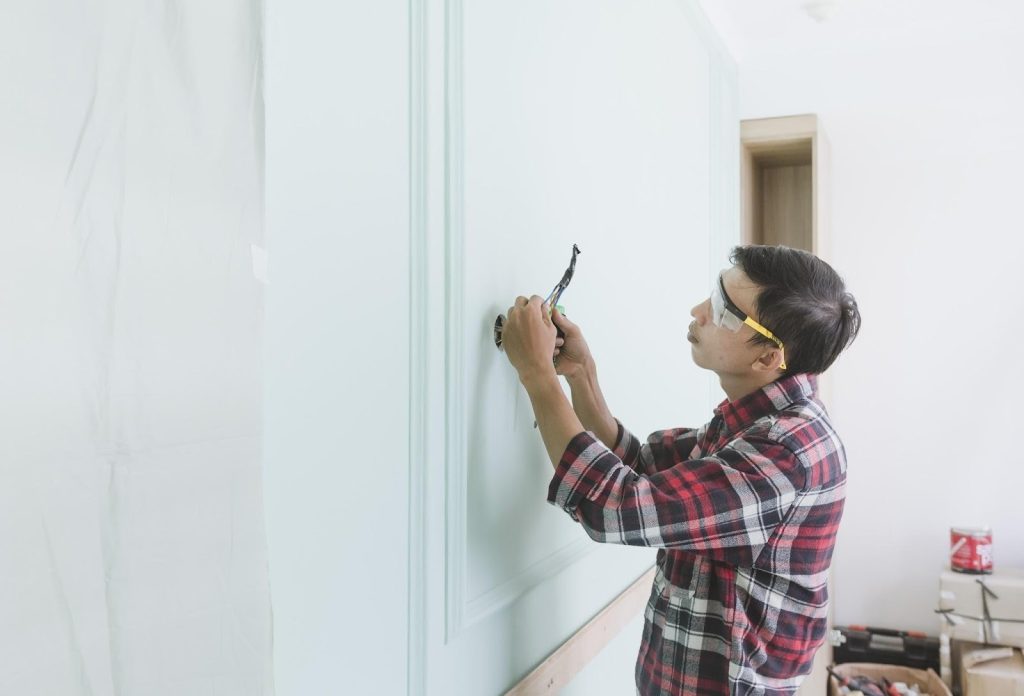
Working through these basic repairs will make your home safer, drier, and more comfortable. You do not need advanced tools to get started, just a plan and steady hands. Take it one fix at a time, and your future self will thank you for the time and money saved.