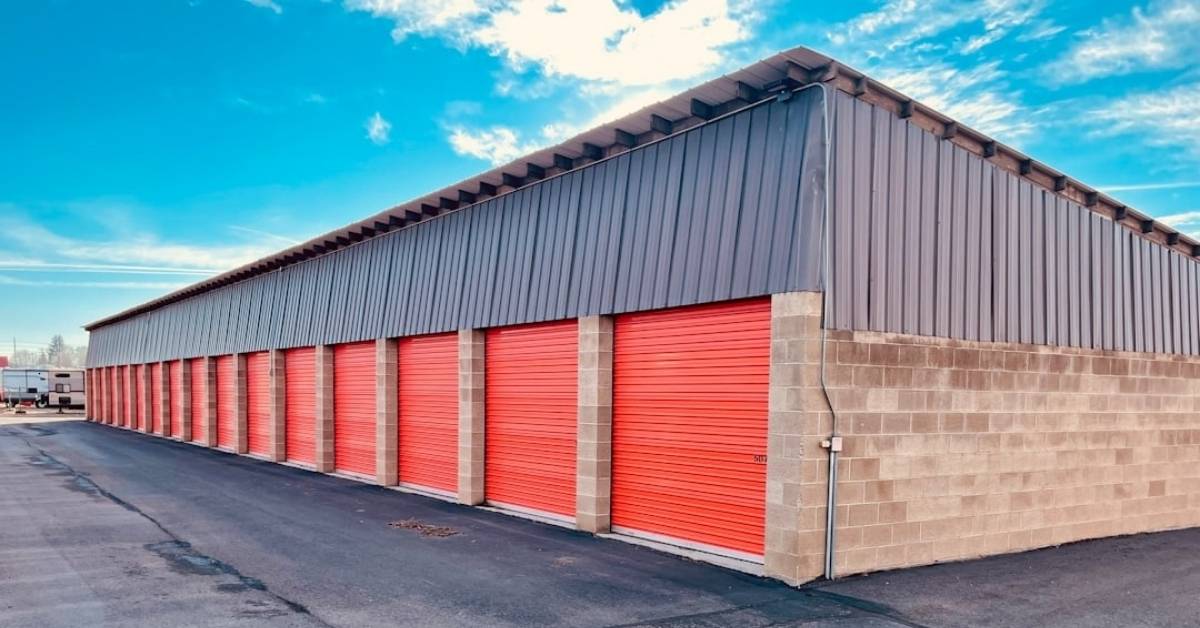
Storing winter coats, camping gear, or holiday decor should be simple, safe, and stress-free. The best storage solutions protect your things from moisture, pests, and rough handling while staying easy on time and budget. Here is how to judge what really works for seasonal items.
Why Seasonal Storage Matters
Seasonal belongings sit idle for months, so small problems compound. A cracked bin, a damp corner, or a crushed box can undo a whole season of fun. Think of storage as preventive care, and a little planning upfront saves money and replacements later.
Your home closets can overflow fast once you add bulky coats, boots, and decorations. Coat closets are the worst spot for delicate or sentimental pieces because they lack airflow and protection, and they invite crowding that leads to damage. That reminder is a helpful nudge to move low-use items out of high-traffic spaces and into a setup built for rest.
Location and Access
The right location makes seasonal swaps painless. Aim for a site that sits near your usual routes so you can swing by on the way to work or errands. Drive time matters, and many people search for affordable storage in Epping or in the surrounding area to keep trips short. That convenience can be the quick pickup and a weekend project.
Access inside the property counts too. Look for wide driveways, good lighting, and trolleys on hand. Covered loading zones protect you on rainy days. If you store long items like skis or marquee poles, check the corridor widths and door clearances so you do not play hallway Tetris every time the seasons change.

Unit Size and Layout Choices
Most people underestimate volume when they pack soft goods like bedding and coats. After you add a tree box or roof pod, a tiny unit turns into a tight squeeze. A small step up in size lowers the risk of crushed boxes and makes walk-in access possible.
Create an aisle from front to back so you can reach the winter box in July without moving your entire summer stack. Tall shelves beat floor stacks, as they keep bins off the ground and preserve airflow. Clear bins up high, heavier boxes low, and fragile items at chest height is a simple rule that prevents strain and breaks.
Climate and Humidity Control Basics
Moisture is the quiet threat to stored clothing, paper goods, and decor. Aim for a stable environment where humidity stays in the middle range. Industry guidance often points to a relative humidity between 40% and 60% as a healthy target for indoor spaces. That band helps deter mould while stopping wood from drying out and cracking.
Temperature shifts are less harmful when humidity is steady. In cool months, keep air moving by leaving a tiny gap between bins and walls. In warm months, avoid packing damp tents or coats after a trip. Dry them fully at home first, and store them sealed. If your unit is not climate-controlled, add passive protection like moisture absorbers and breathable bins to bridge the gap.
Packing and Protection That Actually Works
Pick materials that match the item. Use wardrobe boxes for long coats so fabric hangs straight, and choose acid-free tissue for delicate textiles or ornaments. For hard goods like sledges and camping stoves, add a cloth wrap to stop scuffs. Bubble wrap is perfect for fragile decor, but do not over-tape: you want to reopen boxes without tearing them apart each season.
A labelled weather kit might hold rain jackets, umbrellas, and waterproof shoe care. A snow kit might pack gloves, gaiters, and wax. When you group by use, the handoff between seasons is fast because you grab clusters, not singles.
A simple seasonal packing list:
- Clear lidded bins for visibility
- Wardrobe boxes and sturdy hangers
- Acid-free tissue and soft cloth wraps
- Heavy-duty tape and a marker
- Moisture absorbers and a small hygrometer
- Shelving or risers to lift bins off the floor
Pests, Cleanliness, and Facility Upkeep
Pests look for food, water, and easy entry points. Keep snacks, candles, and scented items out of storage bins. Wipe camping gear before packing, and never store unwashed textiles. Rubber seals on bins and door sweeps on units deny tiny gaps their role as insect highways.
Cleanliness is a signal. A tidy office, clear drive aisles, and regular sweeping show a team that cares. Ask how often the property is treated for pests and how they handle spills or leaks. A quick walk around tells you a lot: look for intact lighting, no trash clusters, and doors that close flush with even gaps.
Insurance, Inventory, and Labelling
Treat seasonal storage like a small satellite closet with its own records. Keep a simple inventory in your phone with photos of each bin and any higher-value items. If you add or remove something, update the note and your numeric bin codes. That habit stops weekend scavenger hunts and helps if you ever need to document contents.
Check coverage before you store. Some home policies limit or exclude off-site items, and some facilities require separate contents insurance. A one-page policy that lists your storage address, a coverage limit, and whether flood or storm events are included will spare you from guessing when you need clarity most.
Value and Market Signals to Watch
Good value is not just the lowest price per month. A slightly higher rent that includes strong security, clean facilities, and helpful access hours can cost less in the long run because it prevents damage and saves time. If a facility offers month-to-month terms, you avoid paying through the off-season that you do not need.
Pay attention to market health too. A large national footprint of self-storage sites with high average occupancy, which hints at steady demand and professional operations. For you, that means better run properties, clearer policies, and a range of sizes to match your seasonal needs.
A bit of planning and the right setup make seasonal storage feel effortless. Choose a nearby site, stick to simple packing rules, and keep moisture in check. Do that and your skis, coats, tents, and lights will be ready to enjoy, season after season.