If you’ve ever scrolled through architectural photography of Tokyo high-rises or dreamed of owning a sleek urban residence in one of the world’s most fascinating cities, you’ve likely come across listings for a “Japan mansion for sale.” But if the word “mansion” conjured images of sweeping gardens, marble entranceways, and rooms big enough to host a gala, Japan has a charming surprise in store for you.
In Japan, the word “mansion” (written マンション, pronounced “manshon”) doesn’t mean what most Western buyers expect. It’s not a palatial estate with a butler’s pantry and a carriage house. In the Japanese real estate lexicon, a “manshon” is a high-quality, reinforced-concrete condominium unit—the premium tier of apartment living in Japan. And buying one, it turns out, is one of the smartest real estate plays available to international buyers today.
This guide unpacks everything you need to know about purchasing a Japanese mansion for sale—from what the term actually means, to the best cities, price ranges, property types, legal considerations, and how to navigate the buying process as a foreigner.
What Is a “Mansion” in Japan? (And Why It’s Not What You Think)
The word “manshon” entered Japanese vocabulary in the 1950s, when property developers coined the term to distinguish high-end, concrete-constructed apartment buildings from their cheaper, wood-framed counterparts. The goal was prestige—borrowing the glamour of the English word “mansion” and attaching it to buildings that were considered the premium residential product of the era.
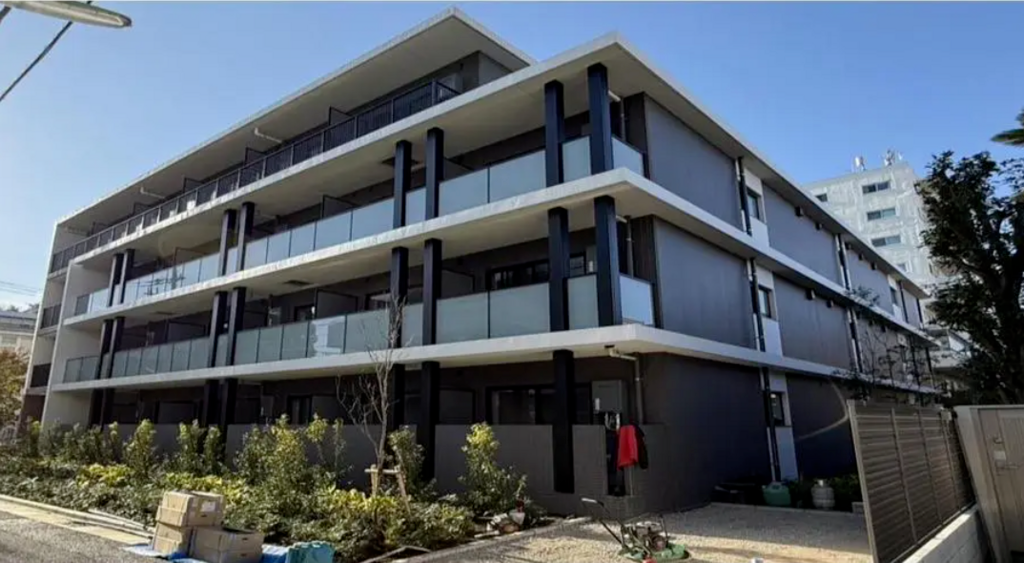
Today, a “manshon” in Japan refers to any multi-story residential building constructed from reinforced concrete (RC) or steel-reinforced concrete (SRC). These buildings are the condominium equivalent of the Japanese housing market. They typically feature:
- Three or more floors, often rising to 15–40 stories in major cities
- Auto-lock entrances and CCTV security systems
- Elevators, parcel lockers, and managed common areas
- Superior earthquake resistance due to concrete construction
- Better soundproofing than wood-frame apartment buildings
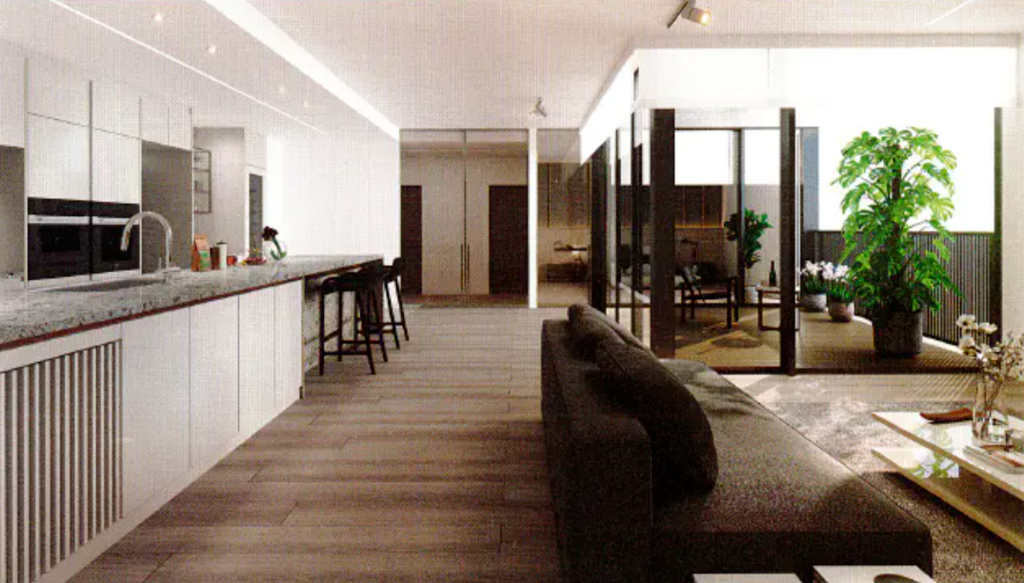
Think of a Japanese mansion less as a stately home and more as a high-quality urban condominium. Individual units can range from compact studios to sprawling multi-bedroom residences—and yes, at the luxury end of the market, some mansions do come with concierge services, rooftop gardens, and high-end finishes that would impress even the most seasoned property enthusiast.
The premium tier of the category is known as a tower mansion (タワーマンション)—high-rise residential towers that have become iconic features of Tokyo’s skyline and are among the most sought-after properties in the country.
Can Foreigners Buy a Mansion in Japan?
Absolutely—and with fewer restrictions than in almost any other country in Asia. Japan places no legal barriers on foreign nationals purchasing real estate. You don’t need a Japanese visa, residency, or even to set foot in the country to complete a purchase. Non-residents can own property outright on a freehold basis, with the same rights as Japanese nationals.
The only formal obligation unique to foreign buyers is submitting a written notification to the Bank of Japan within 20 days of completing a purchase. Beyond that, the legal framework is welcoming and transparent.
It’s worth noting that purchasing property in Japan does not confer a Japanese visa or residency status. Real estate ownership and immigration are entirely separate matters. For buyers looking for a financial investment or a personal retreat in one of the world’s most iconic destinations, though, Japan’s open ownership framework is a major draw.
Why the Japan Mansion Market Is Attracting International Attention
Japan’s real estate market has undergone a remarkable transformation in recent years, shedding its decades-long reputation as a stagnant or depreciating asset class and emerging as one of the most compelling investment destinations in Asia. Several forces are driving this shift:
A Weak Yen = Strong Buying Power for Foreigners
The sustained weakness of the Japanese yen has made Japan property dramatically more affordable for buyers holding US dollars, euros, Australian dollars, or British pounds. Prime Tokyo condominium units that would command $3–4 million in comparable global cities can be acquired in Japan for a fraction of that cost. For international buyers, this currency dynamic alone makes the Japan mansion market uniquely attractive.
Rising Property Values Across Major Cities
After decades of flat or declining prices following Japan’s 1990s asset bubble, urban property values—particularly in Tokyo, Osaka, and Kyoto—have been rising steadily since 2013. The trend has accelerated post-pandemic, with demand from both domestic and international buyers outpacing a constrained supply of high-quality properties in central locations. Tokyo luxury condominium prices hit record highs in both 2023 and 2024.
Tourism Boom and Short-Term Rental Potential
Japan’s tourism sector has rebounded spectacularly, with international visitor numbers surging to record levels and hotel accommodation struggling to keep up with demand in major cities. For investors with properly licensed properties, the short-term rental market in cities like Tokyo, Kyoto, and Osaka represents a compelling income stream alongside long-term capital appreciation.
Global Status and Lifestyle Appeal
Beyond pure investment metrics, Japan offers something increasingly rare in global real estate: genuine lifestyle value. Safety, infrastructure quality, cuisine, culture, and urban design make Japanese cities consistently rank among the most livable in the world. Owning a pied-à-terre in Tokyo or Kyoto has become a statement as much as a financial decision.
Best Cities to Find a Japanese Mansion for Sale
Japan’s urban property market is concentrated across several key cities, each offering a different investment profile and lifestyle experience.
Tokyo—The Global Megacity
Tokyo is the undisputed center of Japan’s mansion market, with the deepest liquidity, the widest range of properties, and the strongest long-term demand fundamentals. Prime districts like Minato (home to Azabu, Roppongi, and Hiroo), Shibuya, Shinjuku, and Chiyoda command the highest prices and attract the greatest international interest. Tower mansions in waterfront areas like Toyosu and Harumi have been among the strongest performers of the past decade.
For international buyers seeking maximum liquidity and a globally recognized address, Tokyo remains the benchmark. Entry-level mansions in outer wards can begin from ¥30–40 million (≈$200,000–$260,000), while prestige units in Minato-ku or on high floors of iconic tower mansions can exceed ¥500 million (≈$3.3 million+).
Osaka—The Investor’s City
Osaka offers a compelling combination of lower entry prices than Tokyo, strong rental yields, and surging international tourism. The upcoming Osaka Expo 2025 and casino resort development on Yumeshima Island have positioned the city as one of Japan’s most exciting near-term investment stories. Key residential districts include Namba, Shinsaibashi, Umeda, and Tennoji.
Kyoto—Culture and Capital Appreciation
Kyoto offers a different kind of mansion market—smaller in volume but exceptional in prestige and cultural cachet. Heritage protection restrictions that limit new construction have constrained supply, making Kyoto properties among the strongest appreciators in Japan. Central wards like Nakagyo, Shimogyo, and Kamigyo attract buyers who prize history, aesthetics, and architectural character alongside investment returns.
Sapporo, Fukuoka & Nagoya—Emerging Opportunities
Beyond the three giants, secondary cities are drawing increasing interest from value-conscious international buyers. Sapporo (Hokkaido’s capital, increasingly linked to the luxury ski market in Niseko) and Fukuoka (Japan’s most startup-friendly city with a young demographic and competitive pricing) both offer mansions at significantly lower price points with solid rental fundamentals.
Types of Mansion Properties You’ll Find in Japan
Not all mansions are created equal. The market segments broadly into three tiers:
Standard Mansions
Mid-rise concrete apartment buildings of between 3 and 10 floors, found throughout Japan’s cities and suburbs. These represent the backbone of the condominium market and offer good value for owner-occupiers and investors alike. Floor plans typically range from 1LDK (one bedroom with combined living/dining/kitchen) to 4LDK (four-bedroom family units).
Tower Mansions (タワーマンション)
High-rise residential towers of 20 floors or more, concentrated in urban cores and waterfront regeneration zones. Tower mansions offer panoramic city views, premium shared amenities (including sky lounges, concierge desks, and fitness centers), and a distinctly aspirational urban living experience. Upper-floor units in prime towers can achieve extraordinary prices—and equally impressive resale values.
Luxury Brand-Name Mansions
At the apex of the market, several prestige developers—including Mitsui Fudosan, Sumitomo Realty, and Mitsubishi Estate—produce flagship mansion developments under luxury brand names. These properties feature hotel-grade specifications, elite locations, and associations with globally recognized hospitality brands. Some Tokyo developments in this category have set national records for residential property prices.
Japan Mansion Price Guide: What to Expect at Every Budget
Property prices in Japan vary enormously by city, location, building age, and floor level. Here is a broad overview to help set expectations:
- Entry-level (outer wards / secondary cities): ¥20–35 million (~$130,000–$230,000)—compact 1LDK or 2LDK units in suburban or outer-city locations; strong yield potential for investors.
- Mid-range (city centre, standard mansion): ¥40–80 million (~$260,000–$530,000)—well-located 2LDK or 3LDK units in central residential neighbourhoods; suited to both owner-occupancy and rental.
- Premium (tower mansions, prestige addresses): ¥80–200 million (~$530,000–$1.3 million)—high-floor tower units in central districts, brand-name developments, or properties with exceptional views.
- Ultra-luxury (Tokyo’s finest): ¥200 million–¥1 billion+ (~$1.3 million–$6.5 million+)—penthouse and high-floor units in flagship tower mansions in Minato, Shibuya, or Chiyoda; freehold, brand-new, fully serviced.
In addition to the purchase price, budget an extra 5–10% for transaction costs including agent commission (typically 3% of sale price + ¥60,000 + consumption tax), registration fees, judicial scrivener fees, stamp duty, and acquisition tax.
How to Buy a Japan Mansion for Sale: Step by Step
The process of purchasing a mansion in Japan is structured and legally transparent, but has several distinctive features that international buyers should understand before starting their search.
- Define your goals and budget. Are you purchasing as a personal residence, a vacation home, or a pure investment? This will shape which cities, districts, and property types make sense. Establish your budget including transaction costs before beginning your property search.
- Engage a bilingual real estate agent. All purchase contracts in Japan are issued in Japanese. A professional bilingual agent is not optional—it is essential. A good agent will access listings not publicly available, conduct negotiations, and guide you through every legal step. To browse a wide selection of current listings across Japan’s major cities, look for a comprehensive and regularly updated inventory with bilingual agent support and a houses and mansions for sale portal.
- Research and view properties. Initial research can be conducted remotely, but at least one in-person visit to Japan is strongly recommended before committing to a purchase. Viewing properties in person allows you to assess building condition, neighborhood feel, commute access, and local amenities in a way that online listings cannot capture.
- Make an offer and receive the property explanation document. Once you’ve agreed on price and terms with the seller, a licensed agent representative will provide and walk through the “Explanation of Important Matters” document—a legally required disclosure covering all pertinent details about the property and transaction conditions.
- Sign the purchase contract and pay the deposit. On signing, a deposit of 5–10% of the purchase price is typically paid. The remaining balance is settled on the completion date.
- Complete the purchase and register ownership. Final payment is made and ownership is formally transferred and registered at the local Legal Affairs Bureau, typically managed by a judicial scrivener (notary) acting on your behalf. Following completion, foreign buyers must notify the Bank of Japan within 20 days.
Key Considerations for International Mansion Buyers in Japan
- Check the building age carefully. Japan’s building regulations were significantly strengthened after the 1981 Building Standards Act revision. Pre-1981 buildings (“old seismic standard”) are harder to mortgage and may depreciate faster. Post-1981 buildings comply with far stricter earthquake resistance requirements.
- Understand management fees and repair reserves. Mansion owners pay monthly management fees (kanri-hi) and contribute to a long-term repair fund (shuzenha). These costs vary significantly by building and should be factored into your total cost of ownership calculations.
- Short-term rental licensing matters. Japan’s minpaku law governs vacation rentals. If you intend to rent via platforms like Airbnb, ensure the building’s management rules permit it—many Tokyo mansion buildings prohibit short-term rentals entirely.
- Mortgage financing for non-residents is limited. Most Japanese banks require permanent residency or a stable local income to approve mortgage loans. Non-resident buyers typically need to fund purchases in cash or secure financing in their home country.
- Use a property management service if buying remotely. If you’re purchasing as a non-resident investor, appoint a professional property management company to handle tenant relations, maintenance, utilities, and tax compliance on your behalf.
Where to Research Your Japan Mansion Purchase
Navigating a foreign real estate market requires reliable information and expert guidance. It is important to use English-language portals that connect international buyers with verified agents and listed properties across all of Japan’s major cities.
Use guides to buying properties in Japan as thorough resources that walk international buyers through the legal process, mortgage options, documentation requirements, taxation, and ongoing ownership obligations—all tailored specifically for non-Japanese purchasers. It’s an invaluable starting point for anyone approaching this market for the first time.
Final Thoughts: Is a Japanese Mansion for Sale Right for You?
The Japan mansion market offers something genuinely rare in global real estate: a combination of accessible entry prices (relative to comparable global cities), strong appreciation momentum, a transparent legal framework for foreign buyers, and the intangible but undeniable appeal of living in—or owning a stake in—one of the world’s most extraordinary countries.
Whether you’re drawn to the energy of a Tokyo tower mansion with floor-to-ceiling city views, the cultural richness of a Kyoto condominium steps from a UNESCO heritage site, or the investment fundamentals of an Osaka city-center unit during an era of surging tourism, the Japan mansion for sale market deserves serious attention from any internationally minded property buyer.