The weather is rarely polite. One week it pours, the next it freezes, and a windstorm can show up without warning. Protecting your home means thinking beyond shingles and gutters to the layers that keep water and ice from sneaking inside.
Start With the Hidden Layer That Stops Leaks
Your roof’s armor starts under the shingles. Beneath that outer shell lies synthetic roofing underlayment, acting as a waterproof shield in the places water tries to get in. It buys valuable time during heavy rain and wind while keeping the deck dry.
Think of this layer as a backup plan for when shingles lift, nails back out, or flashing misfires. If water pushes past the surface, the underlayment slows it down and helps direct it to the eaves instead of into your attic.
Why Rain Finds Weak Spots
Rain rarely falls straight down. Wind pushes it sideways, driving it under lifted shingle edges and into tiny gaps around vents. Once water reaches the deck, gravity pulls it toward low spots where it can pool and soak wood.
Roofs are expected to face severe conditions like wind, heat, and heavy rain, which is why the underlayer matters so much when the main surface takes a beating. This kind of guidance reminds homeowners that weather protection is a system, not a single product.
Ice, Snow, and Freeze-Thaw Pressure
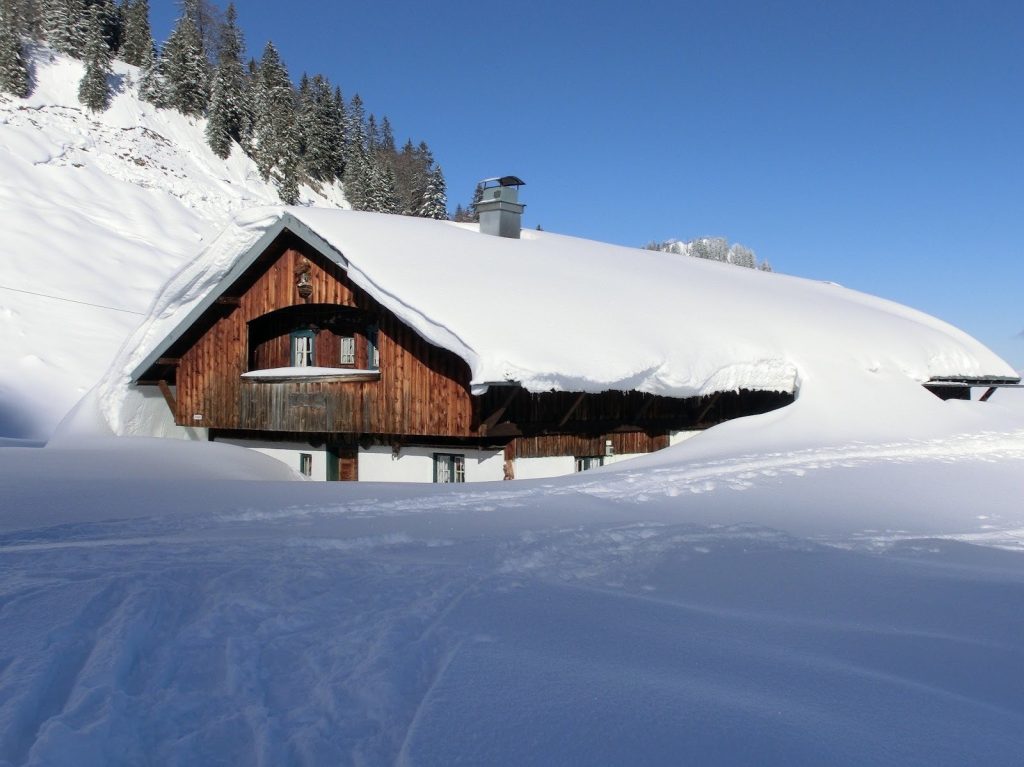
Snow loads add weight and stress across rafters and trusses. As the sun warms the roof, meltwater flows until it hits a cold overhang and refreezes. That ridge of ice traps more water, and the puddle tries to move sideways or under shingles.
Moisture that sneaks under the surface can refreeze and pry materials apart. This cycle loosens fasteners and opens hairline gaps. The right underlayment reduces how much water ever reaches these seams, keeping meltwater moving in the right direction.
- Watch for thick ridges along eaves after storms
- Add or unblock soffit and ridge venting to cool the roof
- Verify you have ice-barrier material at eaves and valleys
Roofs must be guarded against water infiltration, ice dams, and premature wear. That advice lines up with field experience: most winter leaks start where water stalls and backs up.
UV, Heat, and the Risk of Delays
Harsh sun is a quiet roof killer. UV light dries out exposed materials and weakens fibers if the roof project stalls and the membrane sees more daylight than planned. Heat expands surfaces, then night cooling shrinks them, stressing seams.
If delays are likely to happen, choosing a high-exposure synthetic membrane up front is smart because these materials are inherently UV resistant. That choice keeps the deck protected if weather or schedules push shingle installation later than expected.
Contractor schedules slip, storms roll through, or materials arrive late. The underlayment becomes your temporary roof. Pick a product with a tested exposure window and confirm what its label allows. If the calendar changes, your deck still stays dry.
Water Moves Where Air Lets It
A dry roof needs airflow. Without it, humid attic air condenses on cool sheathing and mimics a roof leak from the inside. Proper intake at soffits and balanced exhaust at the ridge or gables move moist air out before it settles.
Ventilation cools the roof surface in winter, which slows snow melt and helps prevent ice dams. Pair that with good insulation to reduce warm air escaping into the attic. Little fixes like sealing attic bypasses make a big difference.
- Clear soffit vents blocked by paint or insulation
- Add baffles to keep insulation from choking airflow
- Aim for balanced intake and exhaust along the whole roof
Flashing, Valleys, and Details That Decide Outcomes
Most roof leaks are detail leaks. Chimney step flashing, skylight curbs, plumbing boots, and valleys take the most abuse. If these areas are short on sealant or protective layers, water will find the path in.
Installers layer a peel-and-stick membrane under metal flashing at high-risk spots. This redundancy matters during sideways rain and snowmelt. Even if the metal shifts, the membrane keeps water moving toward the gutter.
Gutters, Grading, and Where the Water Lands
Shielding your home is not only a roof job. Clean gutters and downspouts keep water from spilling over and soaking siding or pooling at the foundation. Extensions that carry water several feet away cut down on basement damp and frost heave near walls.
Check that the soil grades away from the house. Low spots under drip lines collect splashback that can seep into sill plates. A few bags of soil and a rake fix many slow leaks outside before they turn into repairs inside.
Choosing Materials That Match Your Climate
Pick products that fit your weather pattern. In wet or mixed climates, a durable synthetic underlayment adds insurance under shingles. In hot areas, verify temperature ratings. In cold regions, insist on ice-barrier zones at eaves, valleys, and along low-slope sections.
The roof system protects the house from wind, snow, rain, and heat, and that means the underlayer should be chosen with those pressures in mind. Ask for product data on exposure time, temperature range, and slip resistance for safe installation.
A quick homeowner checklist:
- Confirm a synthetic, high-exposure membrane if timing is uncertain
- Add an ice barrier at eaves, valleys, and around penetrations
- Balance attic ventilation and improve insulation
- Upgrade flashing details at chimneys, skylights, and walls
- Keep gutters clean and push water away from the foundation
The weather will keep changing, and sometimes in a single day. If you build a layered defense and maintain the details, your home will ride out the swing from rain to snow with less stress and fewer surprises.
Weather will always test the edges of your home, but a layered plan keeps those tests from becoming damage. Start with the right underlayment, pair it with careful flashing and ice barriers, and support it with clean gutters, smart grading, and steady attic airflow.
Small checks after big storms catch problems early. With these habits, your roof and walls work as one system: moving water away, resisting freeze-thaw cycles, and staying ready for the next round of rain or snow.